Abraham Accords
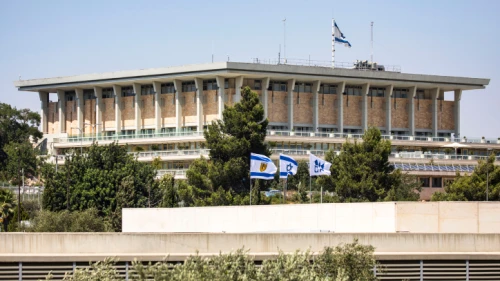
The tally, 80-13, followed a unanimous Cabinet vote on Oct. 12.

He said the Abraham Accords “reflect a changing dynamic in the region, one in which countries recognize the need for regional cooperation to counter Iranian influence and generate prosperity.”

Israeli Prime Minister Benjamin Netanyahu invites UAE Crown Prince Sheikh Mohammed bin Zayed to visit the State of Israel.

Israeli Strategic Affairs Minister: An analysis of Arabic social media indicates an “organized attempt to create negative discourse by those who oppose the peace process.”

The Abraham Accords, signed by the UAE and Bahrain with Israel—and encouraged by Saudi Arabia—sharpened the disputes between Tehran and Riyadh over regional hegemony.
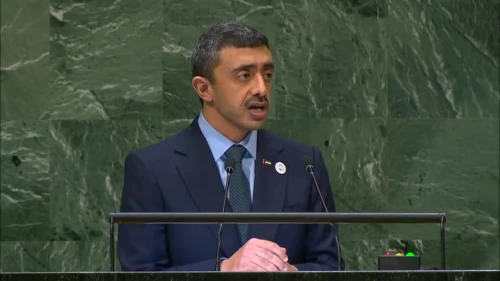
The Gulf nation will work to ensure that its agreement with Israel “opens new intellectual horizons in the region,” says UAE Foreign Minister Sheikh Abdullah bin Zayed Al Nahyan.

“Hello, friend,” featuring Israel’s Elkana Martziano and the UAE’s Walid Aljassim conveys a message of peace between the two countries.
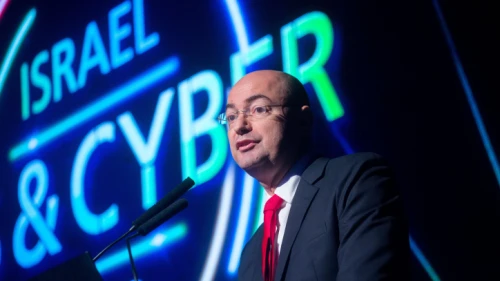
In the wake of the Abraham Accords, “the potential vis-à-vis the UAE is endless,” says Israel’s National Cyber Directorate head Yigal Unna.

“We want to bring everyone on board in hopes that this will allow the Iranian citizens to see that people really want peace in the Middle East, and they are part of this peace,” says U.S. Ambassador to the United Nations Kelly Craft.
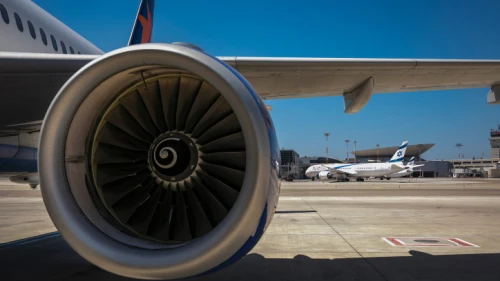
News of the Airbus A320 flight was kept secret until after takeoff due to the sensitivity of the delegation.

In their first public conversation since the signing of the Abraham Accords, the two leaders talked about economic, technological and tourism cooperation, as well as the Iranian threat.
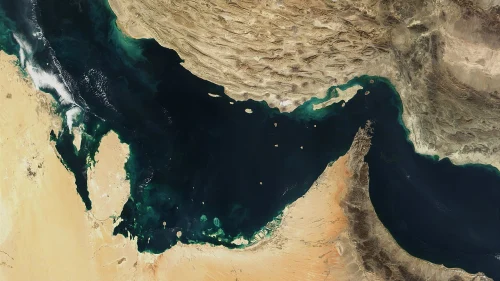
In the wake of the Abraham Accords, will Iran’s fear of a “Zionist presence” in the Gulf region lead it to carry out a Crimea-style invasion of Bahrain, risking a direct confrontation with the United States?