Newsletter
Newsletter Support JNS

Israeli exec to play leading role in Intel’s race for future

Daniel Benatar has been appointed the company’s global deputy for chip manufacturing.

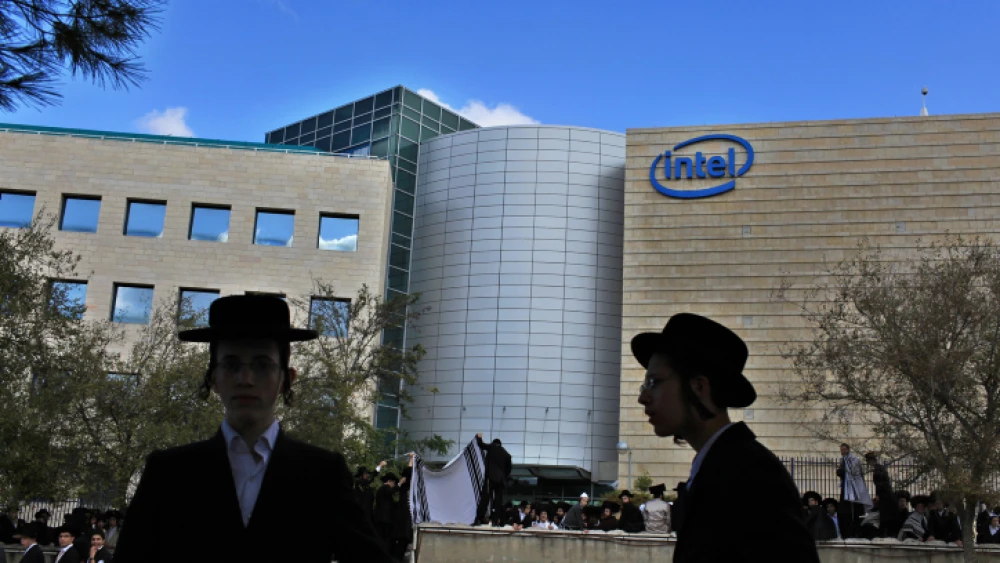
The Jerusalem offices of Intel, Nov. 14, 2009. Photo by Flash90.

Intel’s Vice President for Manufacturing and Operations Daniel Benatar has been appointed as the company’s global deputy for chip manufacturing, making him the most senior Israeli to reach such a senior position in the corporation.

Benatar is the general manager of the company’s Fab28 plant in Israel. He joined Intel in 1993 as a diffusion student and later worked as an engineer when it built its first plant in the country, in Jerusalem.

He has since held a variety of manufacturing roles in the company, both in Israel and abroad, and has led the Fab28 plant in southern Israel since 2011.

Following his promotion, Benatar said that his mission was to “lead Intel’s global plants to victory in the race to manufacture the chips of the future.”

This article first appeared in Israel Hayom.

“Periods of heightened conflict abroad too often coincide with increased fear, discrimination, and violence at home, putting both Jewish and Muslim Americans at risk,” the groups said.
The U.S. Justice Department said that the group “systematically targeted vulnerable children, coerced them into producing abuse material and threatened to destroy their lives if they resisted.”
“When Israel is fighting for the safety and security of its people, it is of special significance that representatives of many countries choose to sit together around the table of freedom and express partnership,” the Israeli ambassador said.
As missile barrages continue to target Israeli civilians, Katz warns Iran will pay “a heavy and escalating price for this war crime.”

“Citizens should contribute as much as they can to the country, and the state should give back. That kind of reciprocal relationship is our guiding principle,” she says.
Army says strikes on missile production, air defenses and naval assets have reduced the Islamic Republic’s capacity to attack.
