


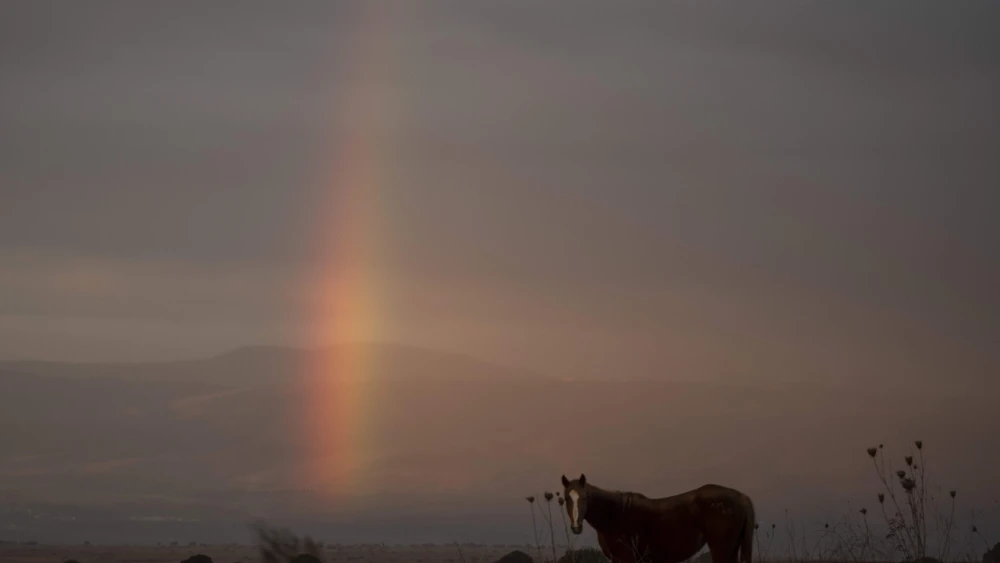
Israel’s Nature and Parks Authority on Tuesday announced the first phase of the reopening of Israel’s northern national parks and nature reserves, with the first parks to be reopened on Wednesday. The decision comes after months of closure due to the ongoing conflict with the Hezbollah terrorist group in Lebanon.
Environmental Protection Minister Idit Silman hailed the reopening as “an exciting and hopeful moment” after a year of fighting that devastated Israel’s north. “The ability to return and tour the magnificent landscapes of the north is a ray of hope for reconnecting with our nature, land and heritage,” she said.
The initial phase includes the reopening of seven sites: Baram National Park, Hula Nature Reserve, Achziv National Park, Yehiam National Park, Hazor National Park, Nahal Amud Nature Reserve and Nimrod Fortress National Park. However, six sites will remain closed for rehabilitation, including Ein Afek Nature Reserve and Nahal Hermon (Banias) Nature Reserve.
Raya Shoraki, CEO of Israel’s Nature and Parks Authority, said: “We are excited to reopen the northern sites to the general public, some of which have remained closed for more than a year since the start of the conflict. The Authority’s employees are working diligently to prepare and arrange all sites to welcome visitors to the beloved sites we have all missed.”
While this reopening brings a sense of renewal, the scars of the conflict are still evident across northern Israel. Hezbollah attacks have devastated the region’s landscape, burning over 57,000 acres of land. The fires have not only destroyed natural habitats but also posed significant challenges to local communities and wildlife.
Israel’s northern forests and fields bear the scars of numerous fires, with blackened earth and charred trees serving as stark reminders of the ongoing conflict. Keren Kayemeth LeYisrael-Jewish National Fund Northern Region CEO Shali Ben Yishai earlier this year called the war “the biggest natural disaster since the establishment of Israel and something which will take years to repair.”
In response to these challenges, KKL-JNF in September pledged approximately $5 million to support northern Israel. This funding aims to bolster the region’s ability to combat fires and protect its natural resources.



