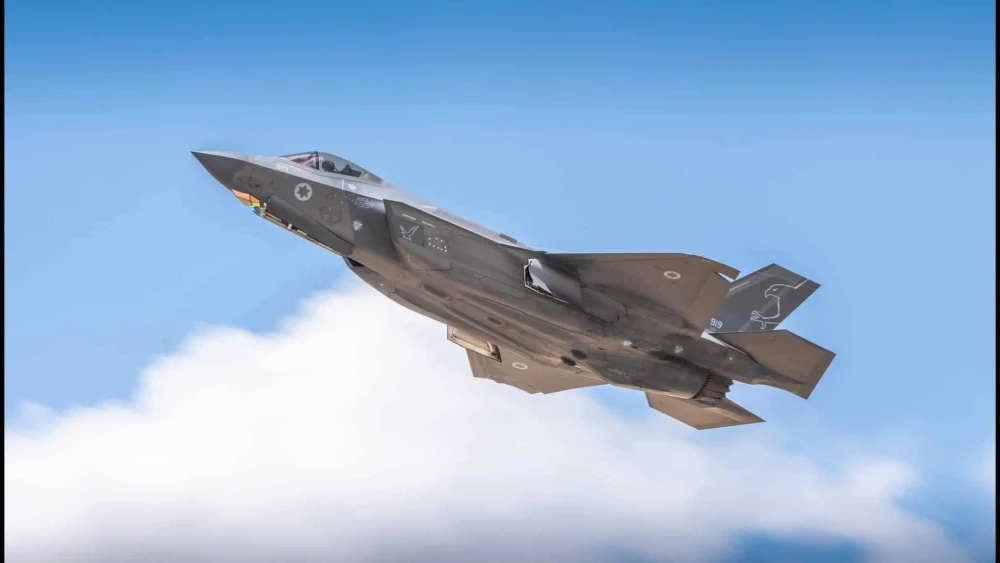
The Israel Defense Forces launched a wave of strikes on Thursday night targeting Hezbollah terror infrastructure in “several areas in Lebanon.”
“A short while ago, the IDF struck tunnel shafts used for weapons storage at several Hezbollah military sites across Lebanon,” the IDF stated. “Following the strikes, secondary explosions were identified, indicating the presence of weapons in the area.”
The Israeli military statement noted that “over the past several months, Hezbollah terrorist activity was identified at the sites, constituting a violation of the ceasefire understandings between Israel and Lebanon.”
🎯STRUCK: Tunnel shafts used for weapons storage at several Hezbollah sites across Lebanon. Following the strikes, secondary explosions were identified, indicating the presence of weapons in the area.
— Israel Defense Forces (@IDF) February 5, 2026
Over the past several months, Hezbollah terrorist activity was identified at… pic.twitter.com/6SjHM8jWm0
Hezbollah began attacking Israel on Oct. 8, 2023, a day after the Hamas-led terror assault on southern Israel, opening a second front along the northern border that lasted until a truce took effect on Nov. 27, 2024.
Under the U.S.-brokered deal, Hezbollah was required to demilitarize, beginning in areas adjacent to the border, with the Lebanese Armed Forces tasked with establishing an arms monopoly in the country.
The Israeli Prime Minister’s Office noted in a Jan. 8 statement that while Beirut’s efforts were “an encouraging beginning,” they were “far from sufficient” given Hezbollah’s ongoing Iran-aided rearmament efforts.
“The ceasefire agreement brokered by the United States between Israel and Lebanon states clearly that Hezbollah must be fully disarmed,” Jerusalem said. “This is imperative for Israel’s security and Lebanon’s future.”
January saw a sharp rise in Israeli strikes in Lebanon, with 87 operations reported—more than twice December’s total and the highest monthly figure since the truce, according to analysis of the data published this week by the Israel-based Alma Research and Education Center.
Nearly half of the strikes hit targets north of the Litani River, Hezbollah’s main stronghold, focusing on terror infrastructure. In total, 21 terrorists were slain during the month—20 from Hezbollah and one from Hamas.
Lebanon’s prime minister, Nawaf Salam, vowed on Tuesday to keep his country out of war after Hezbollah leader Naim Qassem last week warned that a strike on Iran would be considered an attack on its Lebanese terrorist army.
“We will never allow anyone to drag the country into another adventure,” AFP cited Salam as saying.