


Five terrorists died overnight Tuesday in an explosion at a base in Lebanon belonging to the Popular Front for the Liberation of Palestine-General Command, according to Arabic-language media.
The reports attributed the blast to Israeli airstrikes in the Bekaa Valley in eastern Lebanon, close to the border with Syria.
Jerusalem denied any involvement.
The PFLP-GC broke away from the better-known Popular Front for the Liberation of Palestine in 1968.
The PFLP-GC carried out numerous terrorist attacks against Israel in the 1970s and 1980s. During the Syrian civil war, which erupted in 2011, the group worked on behalf of the Iranian-backed Assad regime, most notably in battles in and around the Palestinian Yarmouk camp in Damacus.
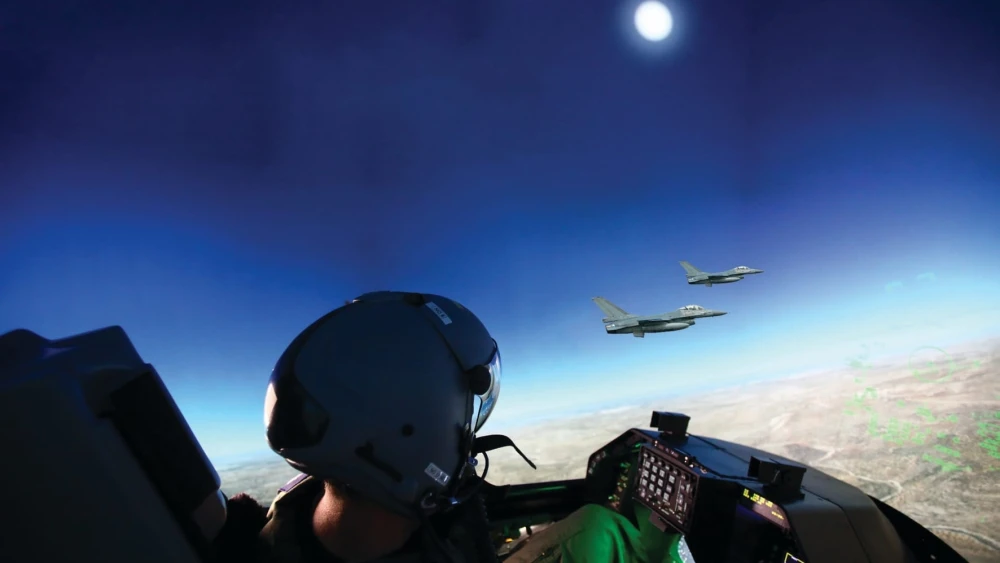
The blast comes after Israeli jets on Sunday night struck targets in the Syrian capital, causing damage but no injuries. The airstrikes were the first in Syria attributed to Jerusalem since the targeting on May 2 of Aleppo International Airport.
While the Israel Defense Forces rarely comments on specific operations, it has conducted hundreds of sorties over the past decade with a view to preventing Iran and its proxies from establishing a permanent military footprint in Syria.



