A local oracle may have used a cave near Beit Shemesh for sorcery, black magic and communicating with the dead some 1,700 years ago.
The theory about the goings-on at the Te’omim (“Twins”) Cave located in the Jerusalem Hills follows the discovery of 120 intact oil lamps during an excavation last decade, most of which were dated to the second to fourth centuries C.E., researchers write in an article published this week in the Harvard Theological Review.
The large and complex cave on the western edge of the Jerusalem Hills was first studied and mapped by British explorers in 1873. But it was over the last decade that archaeologists and other scholars found the lamps in the cave’s inner chambers.
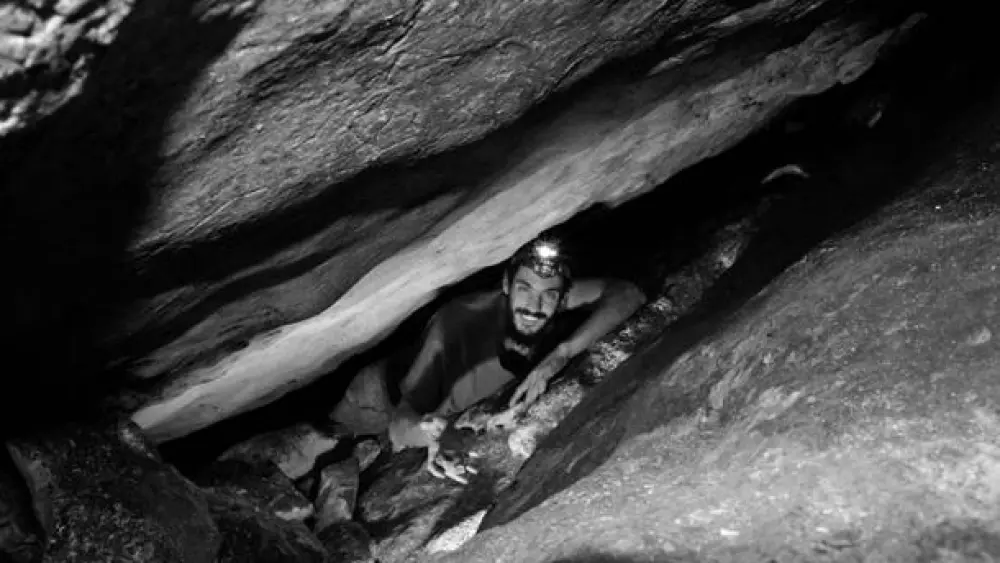
The lamps had been inserted into narrow, deep crevices in the main chamber walls or beneath the rubble. Some crevices contained groups of oil lamps mixed with weapons and pottery vessels from earlier periods or placed with human skulls.
The article by Eitan Klein of the Israel Antiquities Authority and Professor Boaz Zissu of Bar-Ilan University discusses the possibility that the oil lamps, weapons, human skulls and other artifacts were used as part of necromancy ceremonies that took place in the cave during the Late Roman period, and that the cave may have served as a local oracle.
The scholars concluded that their identification and analysis is an outstanding test case worth examining within the developing discipline of the “archaeology of magic.”
Sections of the cave are open to the public from April to October free of charge, although not the interior sections where the latest finds were located.