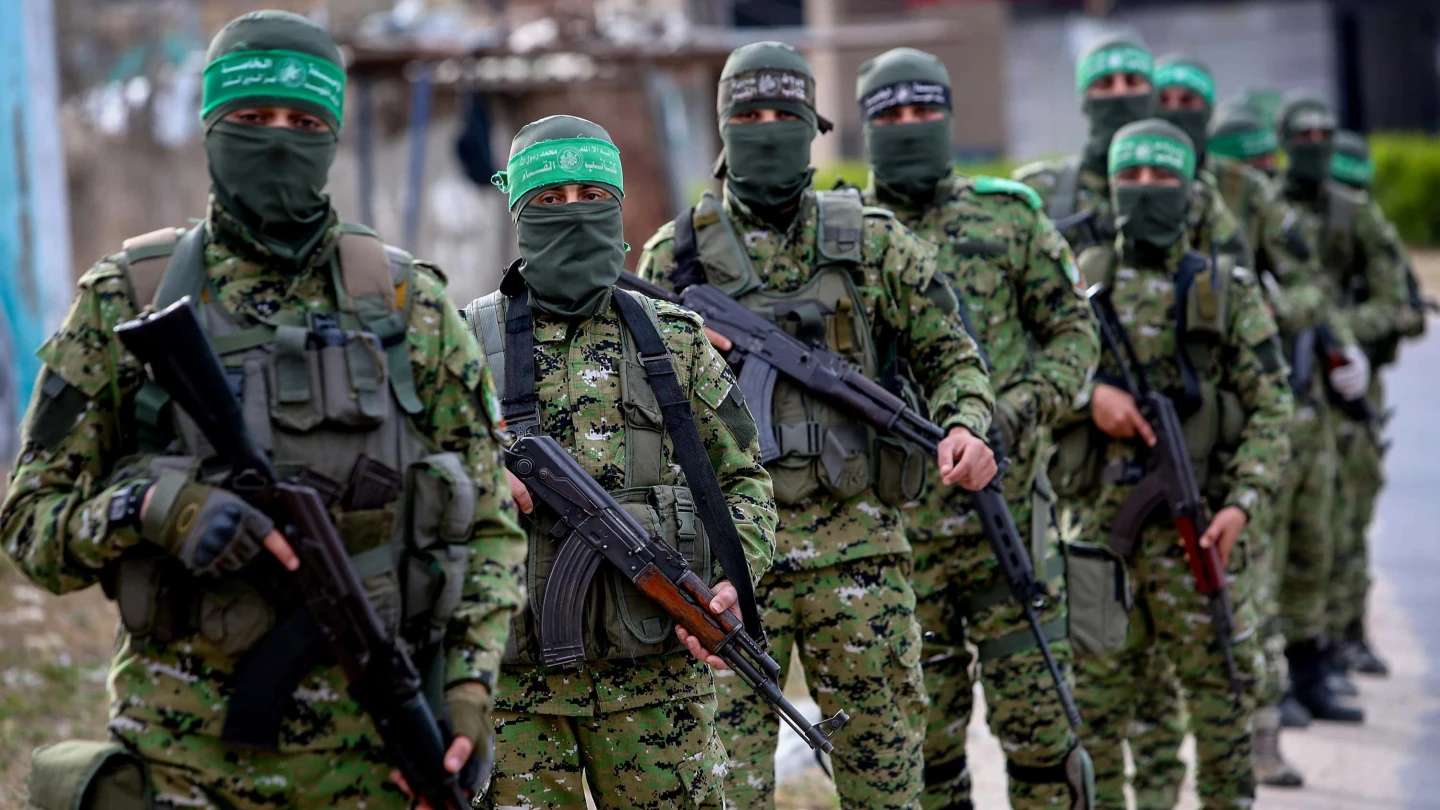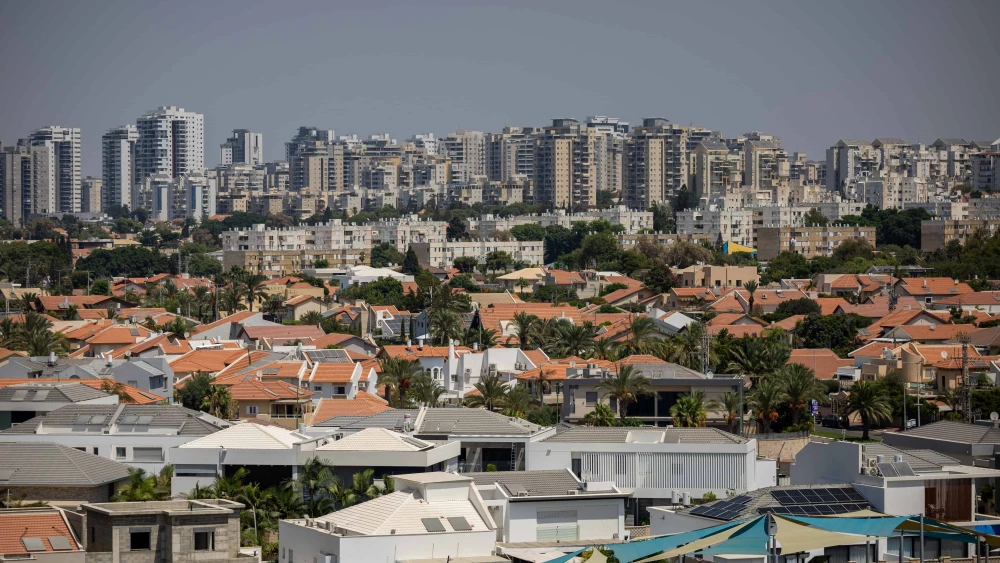
The Israeli government approved a comprehensive aid package on Monday totaling some NIS 3.2 billion (about $940 million) for residents of southern Israel as part of a national initiative to rebuild communities devastated in the Hamas-led massacre on Oct. 7, 2023.
The financial decision includes two main plans: one focused on strengthening and developing the city of Ashkelon, and the other on advancing the broader development of the western Negev region, according to a joint statement from the Prime Minister’s Office and the Finance Ministry.
The plan for Ashkelon includes a budgetary investment of some NIS 1.4 billion (about $410 million), directed toward strengthening the city’s education system; boosting resilience among residents and local authorities; upgrading infrastructure; supporting cultural and sports initiatives; enhancing public institutions; stimulating the local economy; and improving personal security, according to the statement.
Regarding the western Negev, the plan allocates approximately NIS 1.8 billion (about $530 million) to benefit six regional councils: Ofakim, Netivot, Merhavim, Eshkol, Sha’ar HaNegev and Sdot Negev.
The funds are earmarked for investment in education and academic advancement, infrastructure development and the construction of new public institutions. They will also support regional growth initiatives, including an agri-tech complex in Netivot, new industrial zones, and a biogas renewable energy facility in the Merhavim Regional Council.
The plan also includes rehabilitation initiatives in the Negev, notably the establishment of a Paralympic village.
“We have a deep commitment to the residents of the south, who have demonstrated extraordinary resilience and perseverance throughout the months of war. Together, we will rebuild our communities and work toward their prosperity and development as never seen before,” said Prime Minister Benjamin Netanyahu.
Finance Minister Bezalel Smotrich added, “We are not settling for recovery; we are building a stronger, safer future, with more residents and more hope. This is an investment not only of money, but of spirit, faith, and vision. The south is the beating heart of the nation, and we are restoring to it the strength it rightfully deserves.”
The cross-border attack on Oct. 7 killed around 1,200 people, devastated communities and led to the abduction of 251 hostages who were dragged into the Gaza Strip.
The Tekuma Directorate, created by the government in response to the assault, is responsible for rehabilitating the region.