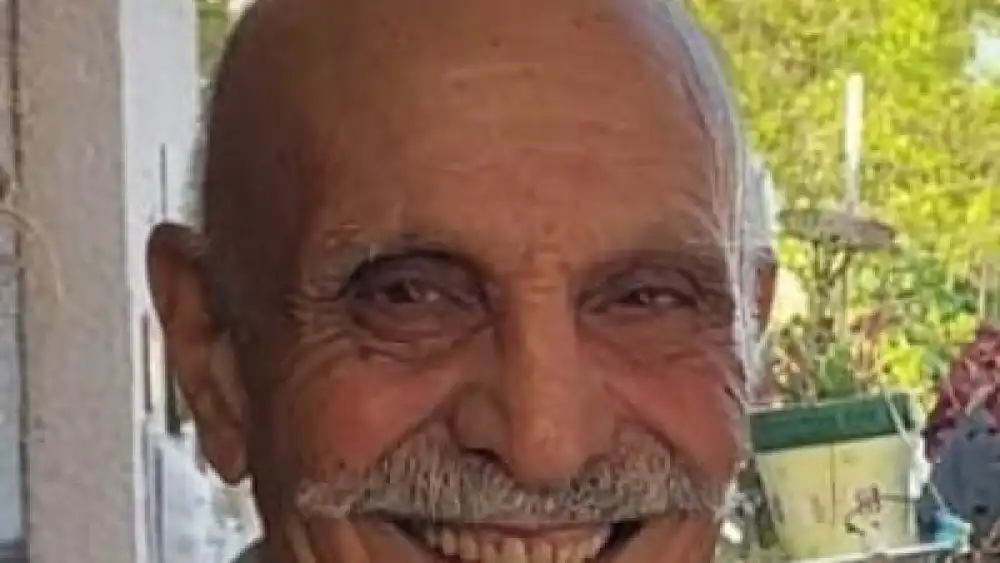
Shlomo Mantzur, 86, the oldest hostage held by Hamas prior to his murder in captivity, was laid to rest on Sunday at Kibbutz Kissufim, where he lived for more than 70 years.
The Mantzur family invited Israelis to stand by the side of the road with Israeli flags as the funeral procession passed, with thousands attending.
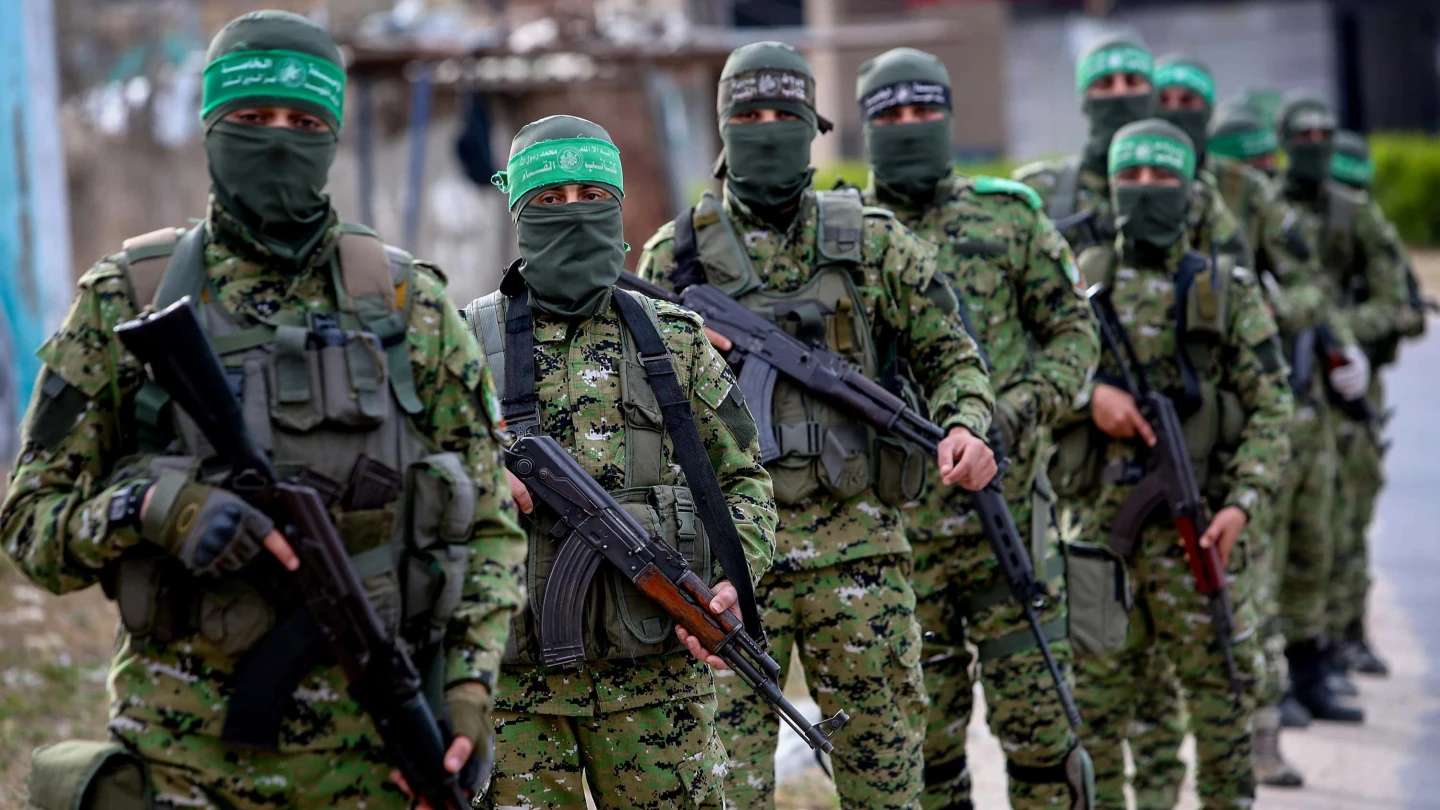
Mantzur was abducted from his home during the Oct. 7, 2023, Hamas-led attack on southern Israel. Hamas terrorists handcuffed him, beat him and took him by car to Gaza, where they later murdered him. His body was held by Hamas for 509 days.
He would have been 87 this month.
The kibbutz described his death as a profound loss, calling him the “beating heart of Kissufim.”
Mantzur was born in Iraq in 1938. When he was three years old, he experienced the 1941 Farhud massacre in Baghdad, during the Jewish holiday of Shavuot.
Israeli President Isaac Herzog, in his eulogy at the funeral, described Mantzur’s journey “from the rivers of Babylon to Zion” while expressing deep regret for Israel’s failure to protect him during the Oct. 7 massacre, acknowledging the painful lessons learned from this tragedy.
שלמה האהוב, בכאב וביגון אני מספיד אותך כאן היום. סביבנו שדות נוף חייך. בית הכיסופים שלך – אותו אהבת, אותו בנית. הבית בו גידלת אתה ומזל את ילדיכם ונכדיכם באהבה ובמסירות עצומה. הבית שממנו נקרעת באכזריות, ונפלת בידיהם השטניות של המרצחים הארורים.
— יצחק הרצוג Isaac Herzog (@Isaac_Herzog) March 2, 2025
לאורך ימי הבלהה האלה, הארוכים,… pic.twitter.com/2Ob0BhWltw
“You, dear Shlomo, came to this land—from the rivers of Babylon to Zion—with longing, yearning, and love for your homeland. Around us lie the fields that shaped your life. Your home in Kissufim—so dear to you, which you built with your own hands. The home where you and Mazal raised your children and grandchildren with immense love and dedication. The home from which you were torn so cruelly and where you fell into the hands of the cursed, diabolical murderers,” Herzog said.
“In this agonizing moment, as a servant of the Israeli public, representing the entire State of Israel, I ask you, Shlomo, for forgiveness. Forgiveness for our failure to protect you in the very place that was meant to be your fortress. Forgiveness from you, from your family, from the members of Kissufim, and from all the residents of the western Negev—for not saving you on that bitter, terrible day,” the president continued.
The kibbutz issued a statement in mid-February, upon learning of Mantzur’s death, saying: “This is one of the most difficult days in the history of our kibbutz. Shlomo was much more than a community member to us—he was a father, a grandfather, a true friend and the beating heart of Kissufim.
“His smile, modesty and human warmth were an inspiration to us all. Our hearts are broken that we were unable to bring him back to us alive. The entire community grieves his loss and is united in grief and pain.”
Israeli Prime Minister Benjamin Netanyahu, responding to news of the death, said, “My wife Sara and I extend our heartfelt condolences to the family of the late Shlomo Mantzur upon receiving the heartbreaking news of his murder by the Hamas terrorist organization.”
Herzog extended his support to the family and the Kissufim community.
“Shlomo was a talented carpenter, a modest and kind-hearted family and community man who radiated warmth and love to all those around him,” the president said.
On Monday, Itzik Elgarat, whose body was also recovered from Gaza, will be laid to rest at the cemetery of Kibbutz Nir Oz.
The kibbutz said in a statement: “Itzik, who was kidnapped at the age of 68, came to Nir Oz following his brother and was a beloved figure in the community. For years he served the kibbutz with dedication as a gardener and was responsible for plumbing, gas and steam work. He was an integral part of the social landscape, loved to hang out at the local pub, host friends and connect generations.
“Itzik left behind two children, a brother and two sisters. We will remember him for his laughter, his huge heart and his willingness to always be there for anyone in need. May his memory be a blessing.”