The Samaria Regional Council is advancing plans for a new city of more than 200,000 residents near Rosh HaAyin, according to a council statement published on Friday.
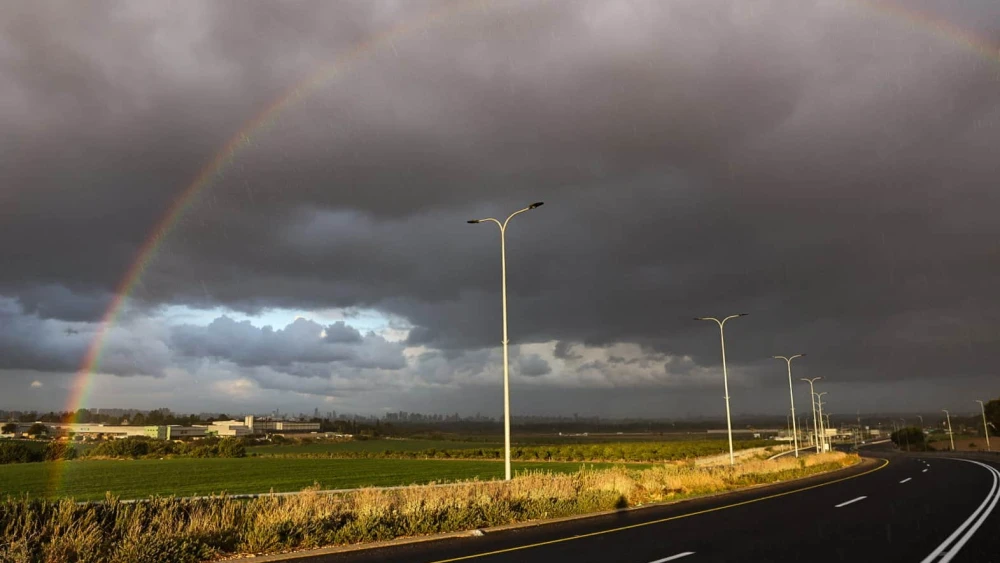
The proposed city, “Rosh HaAyin East,” also known as “Shira,” would include approximately 60,000 housing units on some 16,000 dunams (1,600 hectares, or about 4,000 acres) in western Samaria, along Route 5, between Rosh HaAyin and the communities of Leshem, Peduel and Bruchin.
Planned for secular and religious residents, the city would combine single-family homes with higher-density housing as part of council head Yossi Dagan’s “A Million in Samaria” initiative.
“This is a security and strategic undertaking of the highest importance for the State of Israel,” Dagan said. “Zionism and building the land will bring security.”
The city would provide “a significant defensive belt for the cities of the Tel Aviv metropolitan area against an Oct. 7-style scenario originating from the Palestinian Authority,” he added.
According to the council, the Security Cabinet approved the plan in December 2025. IDF Central Command chief Maj. Gen. Avi Bluth subsequently signed an order defining the city’s jurisdiction, and the Interior Ministry assigned it an official locality code in September, TPS reported.
Planning is proceeding in cooperation with the Israel Land Authority and the Finance Ministry.
In December 2025, Dagan and Rosh HaAyin Mayor Raz Sagi jointly urged the government to approve a city east of Rosh HaAyin, then envisioned as home for approximately 130,000 residents. The two leaders presented the proposal as a security buffer for central Israel.
The broader initiative, unveiled in August 2023, calls for new cities, expanded communities, rail and highway links, a hospital and industrial zones to accommodate more than a million Jewish residents in the Samaria Regional Council area.
Sagi, who toured the site with Dagan about a year ago, said, “Establishing Rosh HaAyin East is not merely a strategic move—it is a necessary condition for the peace and security of Rosh HaAyin’s residents.”