Science and Technology

Prior to the war in Ukraine, energy issues were judged by a single yardstick: their environmental impact. What the West is coming to realize is that energy is also about national security and deterrence, said Aykan Erdemir, a senior fellow at the Foundation for Defense of Democracies.

Complaints said the organization was engaging in “greenwashing,” ignoring the Palestinians and instead focusing on the Jewish state’s environmental values and practice.

Steadicopter, which recently unveiled its first hybrid powered unmanned helicopter, has seen clients request a combination of sensor payloads.

The company includes top car brands as its customers including BMW, Audi, Volkswagen, Nissan, Honda and General Motors.

The two countries are at a critical stage in their relationship, says the study’s lead author; “We need to look to the future. History is a strong pillar but it fades away.”

Study suggests microplastics are a magnet for environmental pollutants, ferrying them through our digestive tract and causing severe health damage.

Report: Egypt is in the midst of adopting a new approach to Israel, striving to deepen economic ties.

The black spider, named Sahastata aravaensis because of its habitat, belongs to the Sahastata genus of the Filistatinae family.

High-tech data collection on the movement of animals has provided unexpected insights and discoveries that can help in conservation strategies.
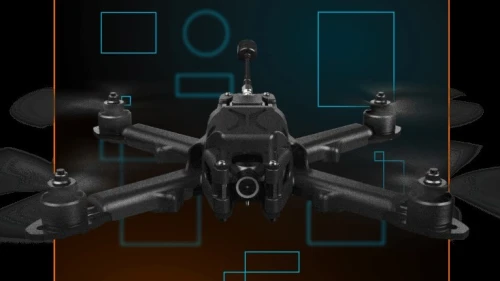
Skylord has been field-tested by the Israel Defense Forces to intercept incendiary devices launched from the Gaza Strip into Israel.

The seeds will become part of “Space Hummus” project testing hydroponic techniques for plant growth in zero gravity.
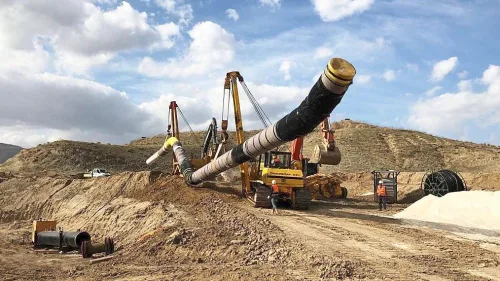
Currently, it exports 3 billion cubic meters of gas annually to Jordan and separately 5 billion to Egypt through a pipeline from Ashkelon to Sinai.