Science and Technology
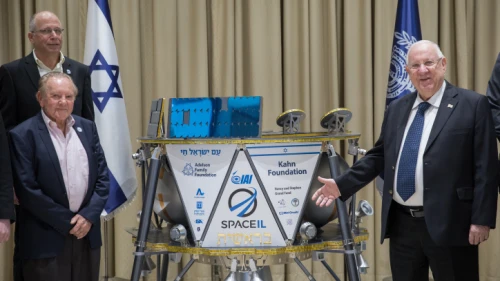
SpaceIL is raising funds to go back to the moon—this time for a historic double landing
Israeli neuroscientists train 50-year-old man, blind from birth, to recognize visual images via sensory substitution.

“The collaboration on space-related technologies has managed to produce projects that could make a difference in the aerospace sector,” said Ami Appelbaum, chairman of the Israel Innovation Authority.
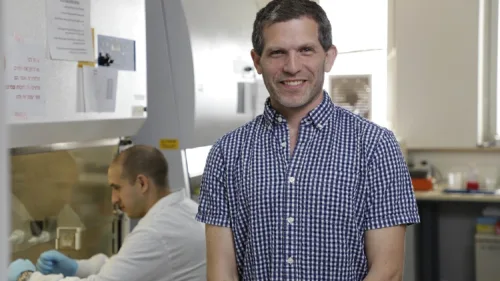
Scientists develop a sensor that restores sense of touch to damaged nerves, holding out hope for people who have experienced amputation or injuries.

A senior U.S. source said that the White House is interested in promoting the Abraham Accords, but that the fund has been frozen indefinitely.

Nicole Horseherder of Tó Nizhóní Ání: “We live in a region in which drinking-water sources have been compromised by coal mining. Any way to mitigate the need while the aquifers recover is critical.”

An innovation for its prowess is the Machine Learning and Intelligent Systems research center, which aggregates all AI-related activities.
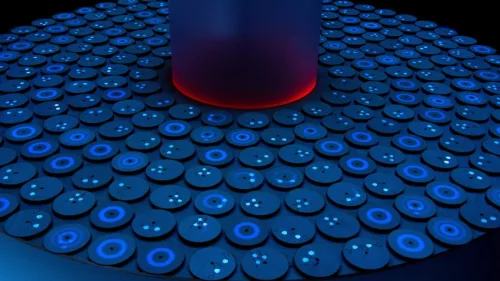
Who says science and art don’t mix? Bar-Ilan University opens a unique museum that aims to expose visitors to the vast research possibilities in the natural sciences.

Rehovot-based Future Meat‘s plant makes cell-based, slaughter-free meat production a reality.

The joint student venture is the culmination of a faculty-wide process striving to balance two fields: aeronautics and outer space.
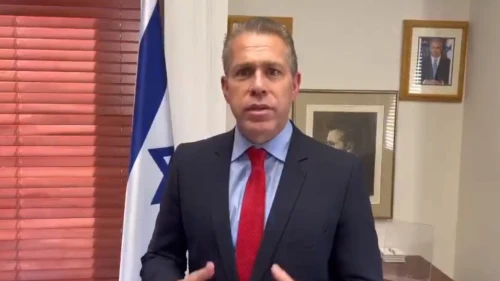
“Innovation, technology and data play a key role in increasing energy efficiency,” said Israeli Ambassador to the United Nations and the United States Gilad Erdan.
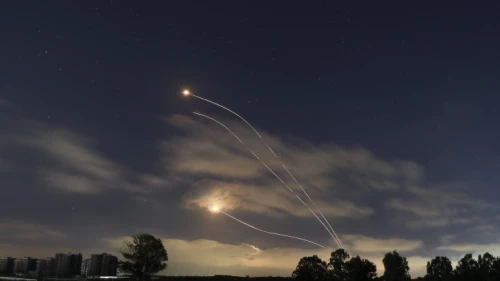
Respondents lived in communities near Gaza in southern Israel, where frequent rocket fire requires them to find shelter in 30 seconds or less.