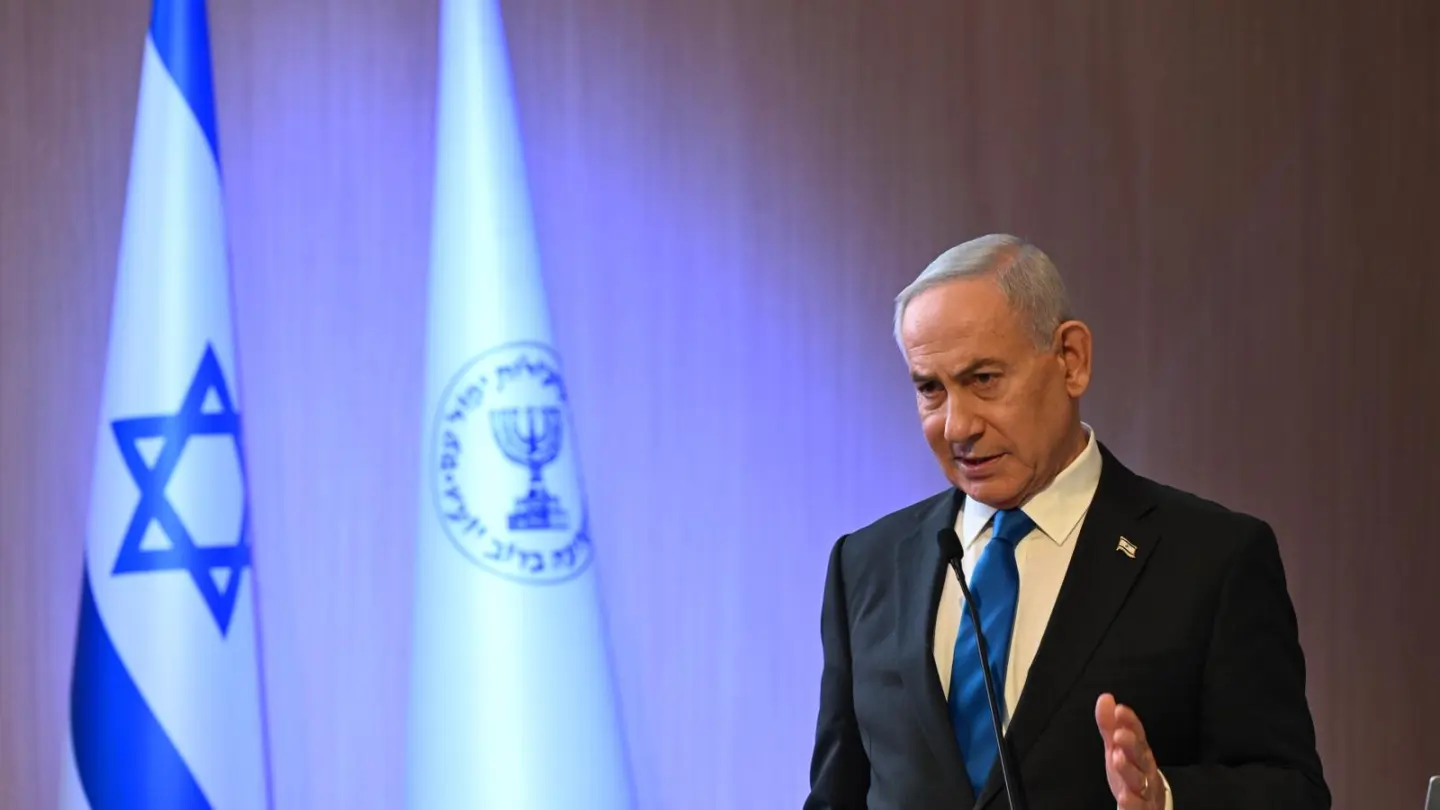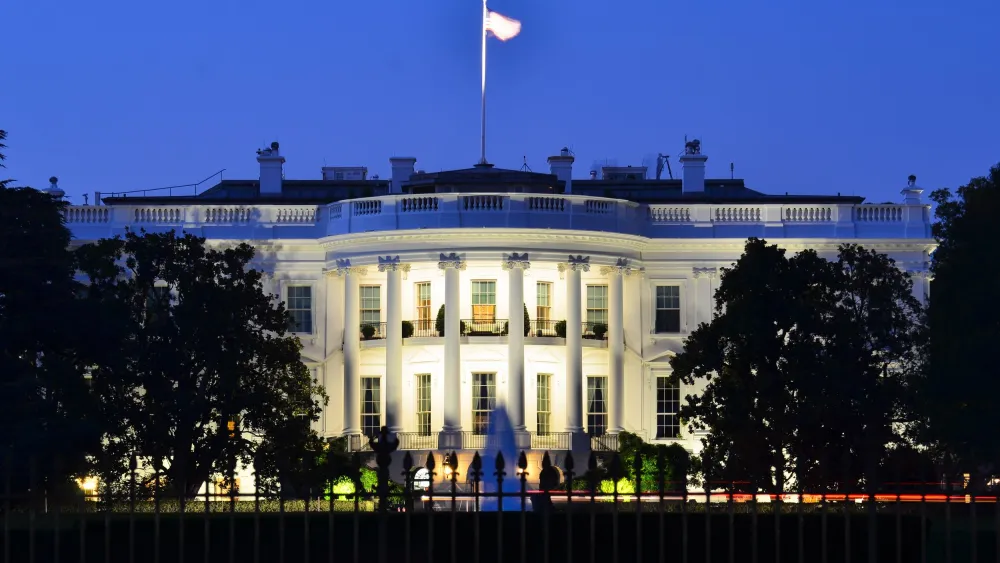
Jake Sullivan, national security advisor to U.S. President Joe Biden, hosted Tzachi Hanegbi, his Israeli counterpart, and Ron Dermer, minister of strategic affairs, at the White House on June 1 “to discuss a broad range of global and regional issues of mutual concern,” per a White House readout.
The meeting was a follow-up on a March 6 meeting of the U.S.-Israel Strategic Consultative Group, per the White House. The Israeli and U.S. officials “continued discussions on enhanced coordination to prevent Iran from acquiring a nuclear weapon, and ways to counter threats from Iran and its proxies.”
According to the White House, Sullivan also reaffirmed Washington’s goal “of further enhancing Israel’s security and economic integration throughout the Middle East” and “stressed the need to take additional steps to improve the lives of Palestinians, critical to realizing a more peaceful, prosperous, and integrated region.”
The U.S. official also addressed shared concerns “with Russia’s deepening military relationship with Iran and the importance of supporting Ukraine in the defense of its territory and citizenry, including from Iranian drones.”
Jacob Nagel, senior fellow at the Foundation for Defense of Democracies and former national security advisor to Israeli Prime Minister Benjamin Netanyahu, warned ahead of the meeting that “Israel must not be confused about the priorities of what should be presented during the talks.”
While reaching a deal with Saudi Arabia is important, the Israeli officials should make clear to U.S. counterparts that “preventing a bad agreement regarding the Iranian nuclear program has not been relegated to second priority after reaching a deal with Saudi Arabia,” he wrote.