Newsletter
Newsletter Support JNS

‘Unprecedented’ US-Israeli-Russian security meeting to be held in Jerusalem

The three countries’ national security advisers will discuss regional security issues with a focus on Iran’s entrenchment in Syria.

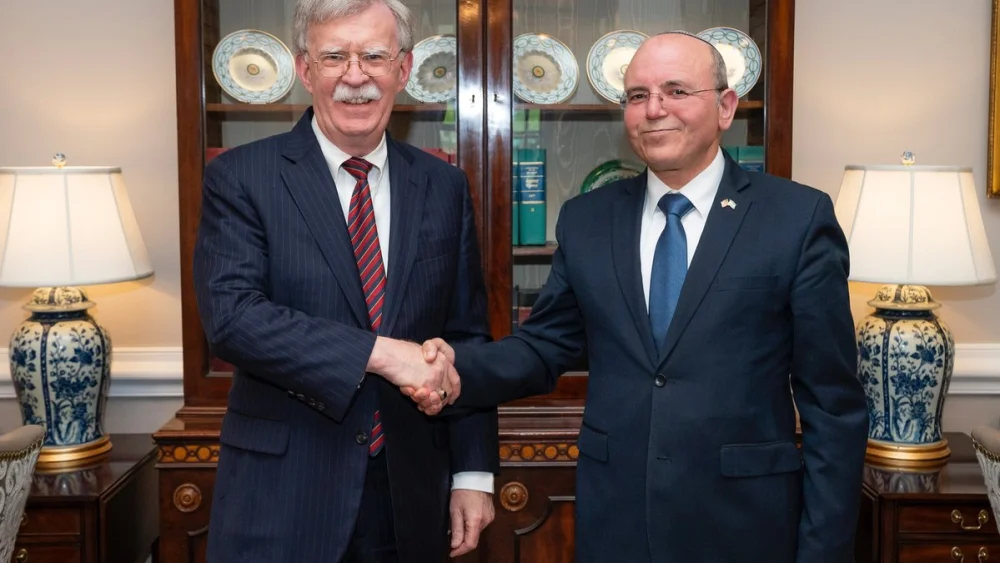
U.S. National Security Advisor John Bolton meets with his Israeli counterpart Meir Ben-Shabbat at the White House on April 15, 2019. Credit: John Bolton/Twitter.

Jerusalem will host top security officials from the United States, Israel and Russia in June to discuss “regional security issues,” according to a White House announcement on Wednesday.”

“In June, United States National Security Advisor Ambassador John Bolton, Israeli National Security Adviser Meir Ben-Shabbat and Russian Secretary of the Security Council Nikolay Patrushev will meet in Jerusalem, to discuss regional security issues,” the White House press secretary said in a statement.

The meeting is expected to center around the security threat to Israel of Iranian entrenchment in Syria close to Israel’s border and will also address the expected withdrawal of U.S. troops from Syria.

In response to the announcement, Israeli Prime Minister Benjamin Netanyahu said, “I proposed to [U.S. President Donald] Trump and [Russian President Vladimir] Putin to form a U.S.-Russia-Israel trilateral committee that would meet in Jerusalem to discuss the security situation in the Middle East and both of them agreed. This is unprecedented. A meeting like has never taken place before in Israel. Never.”
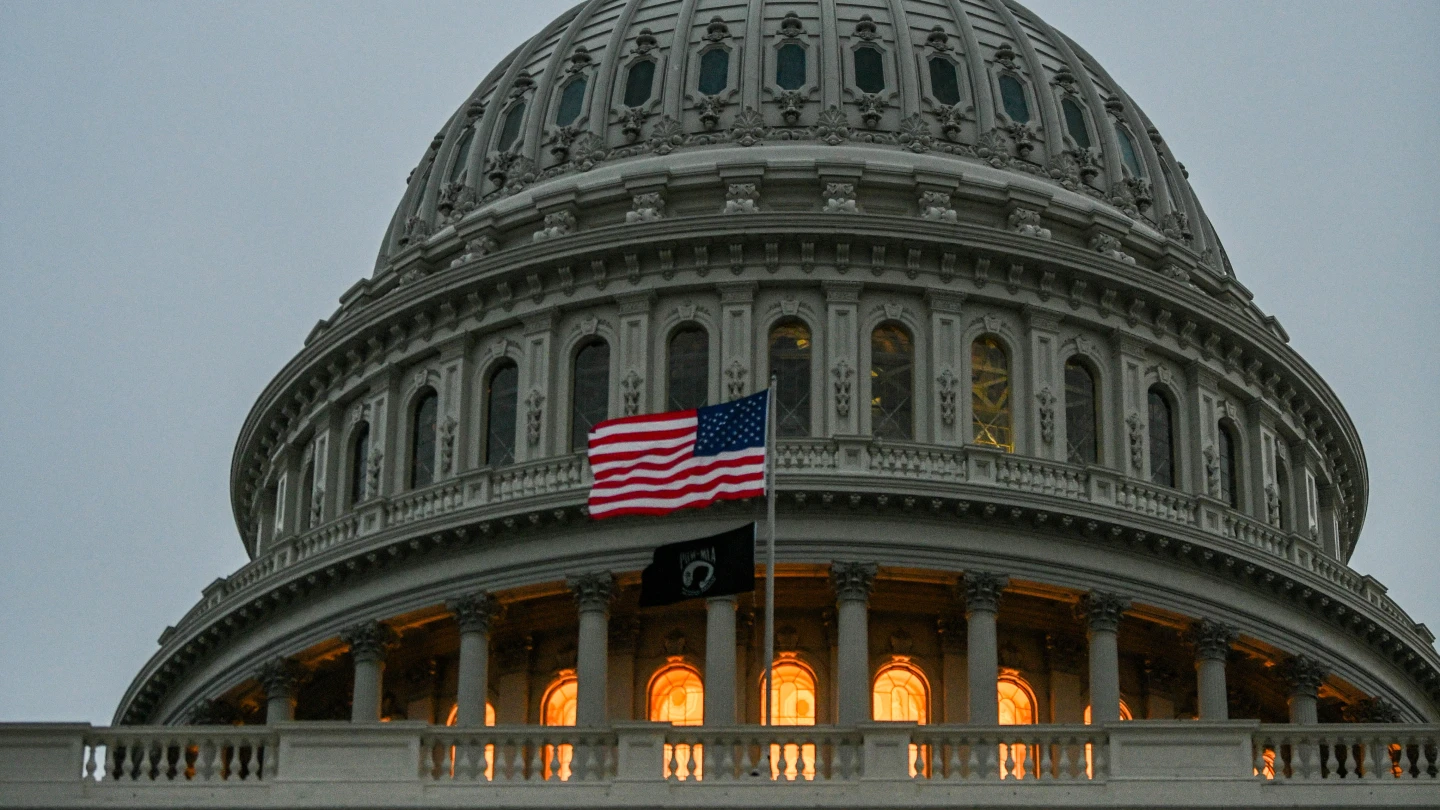
“It looks as if the Genocide Caucus in Congress will continue to grow,” Dan Schnur, a political science lecturer, told JNS.
Ahead of the JNS Summit, the Bosnian Serb leader explains her strong support for the Jewish state and warns of Iranian influence in the Balkans.
A coalition of Jewish groups called the law “an important step forward, giving law enforcement and prosecutors additional tools to protect targeted communities and hold offenders accountable.”
The participation of campus-affiliated groups like CUNY for Palestine “openly encouraging and providing support for terrorism and extremist ideologies,” Jayne Zirkle of EndJewHatred told JNS, “represents a serious challenge that universities can no longer ignore.”
After 35 years working across the continent, entrepreneur Haim Taib tells JNS he sees it as the next frontier for Abraham Accords cooperation.
The Islamic Republic is seeking to recover economically and militarily through the memorandum of understanding with the U.S., while avoiding any relinquishment of long-term strategic assets.