More than 700 attendees gathered in Toronto on May 17 for the World Symposium Against Antizionism, a daylong event dedicated to examining the origins, development and contemporary impact of antizionism in the West. The symposium was co-hosted by Stop Antizionism, a newly launched educational initiative, and Tafsik, a Canadian organization.
Rooted in Stop Antizionism co-founder Naya Lekht’s “Three-Era Framework” of Jew-hatred—antijudaism, antisemitism and antizionism—the event sought to expose antizionism as the contemporary mutation of anti-Jewish hostility and to analyze how it functions within modern political and cultural discourse. The event brought together scholars, journalists, legal experts, educators, policymakers and activists to discuss antizionism across academia, media, law, politics and culture.
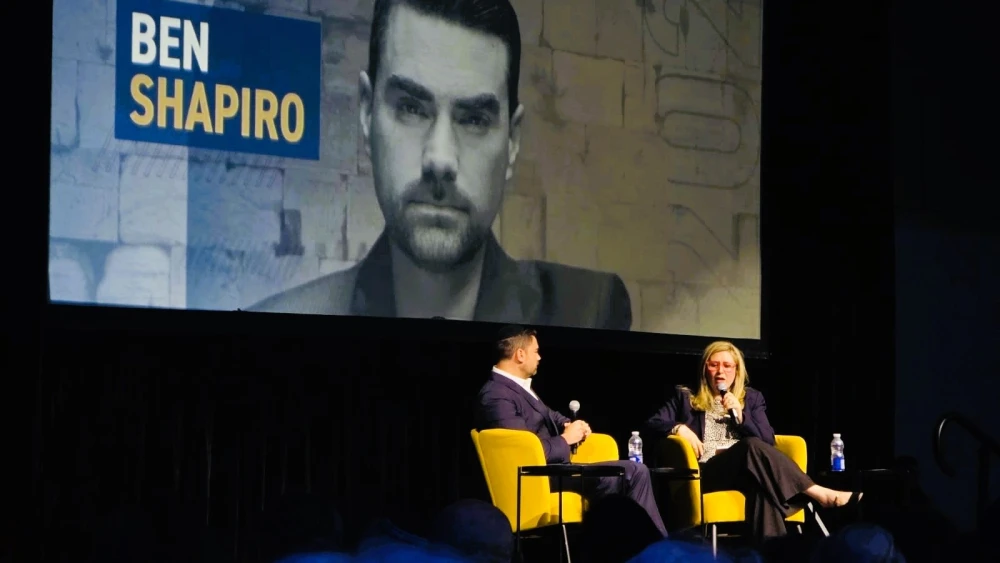
Conservative political commentator Ben Shapiro delivered the keynote address, speaking about the moral and ideological challenges posed by antizionism, as well as the broader cultural trends shaping Western discourse. Other speakers included former Soviet refusenik and human-rights activist Natan Sharansky; author and scholar Dr. Einat Wilf; evolutionary psychologist Dr. Gad Saad; and young voices such as the Moderate Case, Nick Matau and Eyal Yakoby.
Panels throughout the day addressed topics including the Soviet origins of modern antizionist ideology, antizionism in education, media narratives surrounding Israel and the legal and civic implications of antizionist activism in North America.
Organizers said the symposium was intended to fill what they view as a growing gap in public understanding surrounding antizionism as a political and ideological movement. “Many institutions speak broadly about antisemitism, but far fewer are willing to directly examine antizionism as a distinct ideological phenomenon,” said Lekht. “The purpose of the symposium was to create intellectual clarity around a movement that increasingly shapes discourse in universities, media, activism and public life.”
During the event, organizers also promoted the “Global Declaration Against Antizionism,” a public statement calling for greater recognition of antizionism as a contemporary form of anti-Jewish hostility. According to organizers, the declaration has already been endorsed by thousands of individuals and dozens of organizations.
The symposium concluded with a call for continued educational initiatives, public engagement and institutional leadership in confronting these issues as a threat to Western democracy.