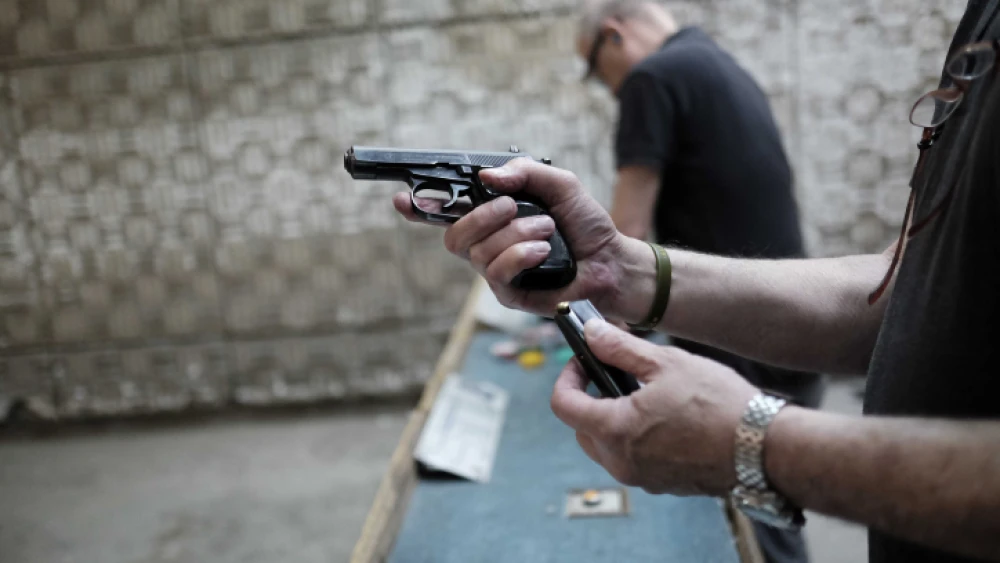
The number of Israeli women with permits to carry a firearm has jumped 88% over the last seven months, according to numbers released on Sunday by Israeli National Security Minister Itamar Ben-Gvir.
Forty-four percent of the women to receive licenses were residents of Judea and Samaria, according to the figures.
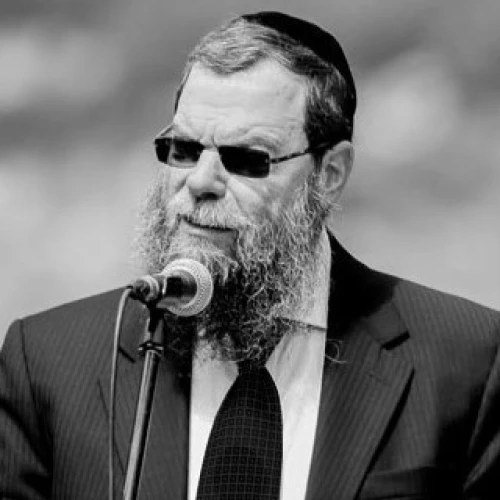
“The policy that I have been leading in the Ministry of National Security since I took office is to grant a weapon license to those who meet the criteria, so that they can protect themselves and their surroundings,” said Ben-Gvir. “Women who want to protect themselves and their families is a welcome thing, and I am happy that on my watch we see a big increase on this level as well.”
Calls for eligible Israelis to arm themselves began coming from Israel’s Security Cabinet after a Palestinian terrorist gunned down people outside a Jerusalem synagogue in January, killing seven.
In a bid to clear a backlog of requests for licenses, Ben-Gvir expanded the qualifications to include former and current soldiers, reservists, members of the security forces and emergency workers, as well as medical workers, among others. Volunteer emergency responders who have been with a recognized rescue organization for at least one year will also receive favorable status if they seek a firearm license.
Sunday’s announcement came one day after a Palestinian terrorist killed a municipal security guard in downtown Tel Aviv. The terrorist, identified as Palestinian Islamic Jihad member Kamal Abu Bakr, had aroused the suspicion of two security guards, who approached him. Bakr drew a handgun and fired at the guards, critically injuring one, who was later declared dead at Tel Aviv’s Ichilov Hospital. The other guard returned fire, hitting Bakr.
On August 1, five Israelis were injured in another shooting attack when a Palestinian opened fire on people at a Maale Adumim shopping center. The terrorist was shot and killed by an off-duty Border Police officer.
Israeli citizens do not have a legal right to privately carry firearms, and the country has strict gun control laws.
Applicants must meet minimum age requirements, have no criminal record and provide a declaration signed by a doctor that they are physically and mentally healthy.
Applicants must also explain to the Firearms Licensing Division why they need to carry a gun, and permission is not automatic. The type of gun an Israeli is permitted to carry may depend on the reason given to the authorities.
A license allows citizens to carry one specific gun, and a separate permit is needed for each additional firearm. Bullet sales are tightly regulated, and government permission is also required before one can sell their firearm.
Licenses must be renewed every three years. This process includes a health declaration signed by a doctor, confirmation of completing a refresher training course and a firearm check to verify the gun is in working order.