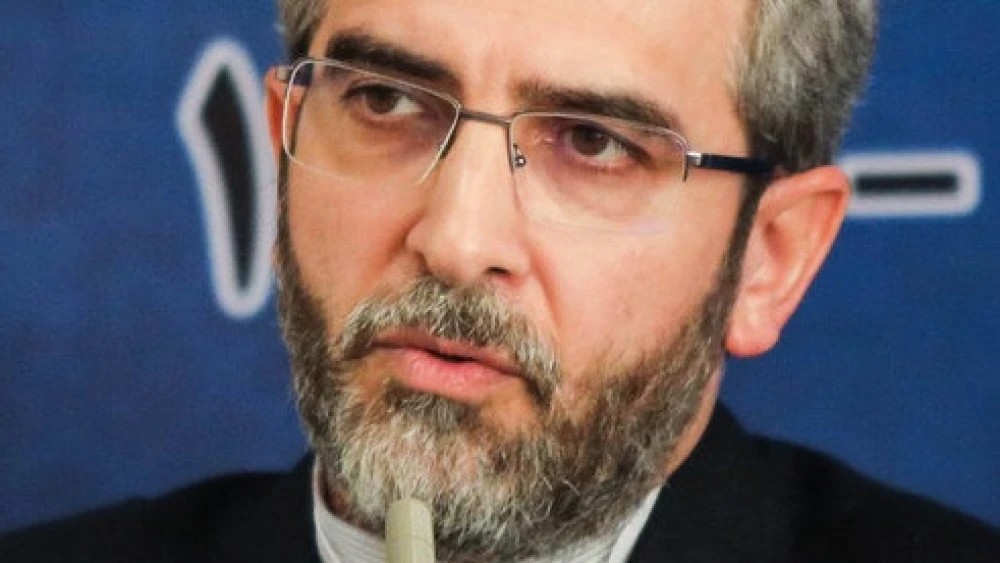
Interim Iranian Foreign Minister Ali Bagheri Kani arrived in Lebanon on Monday for his first official visit. His predecessor Hossein Amir-Abdollahian was killed in a helicopter crash last month, along with Iranian President Ebrahim Raisi.
Bagheri met with his Lebanese counterpart Abdallah Bou Habib, praising the “close relations” between the two countries and claiming that “resistance is the basis for stability in the region.”
“We agreed that all countries in the region, especially the Islamic countries, should adopt a joint movement in order to counter Israeli aggression and protect the Palestinian people, especially in Rafah,” Bagheri said.
Tehran’s Lebanese terrorist proxy Hezbollah has been engaging in near-daily attacks against targets in northern Israel since joining the war in support of Hamas on Oct. 8, killing more than 20 people and causing widespread damage. Tens of thousands of Israelis remain internally displaced due to the ongoing attacks.
Israeli forces have struck hundreds of Hezbollah targets in Lebanon in response, including the terrorist group’s senior leadership.
Iran’s state-run IRNA news agency reported that Bagheri will also visit Syria “to meet with the two countries’ officials as well as the officials of the resistance front to discuss ways to counter [Israel].”
In February, the Israel Defense Forces said that it had attacked more than 50 targets belonging to Hezbollah and other Iran-backed terrorist groups in Syria since Oct. 7.
At least 16 members of a pro-Iran militia were killed in an alleged Israeli airstrike on a copper plant in northern Syria early on Monday morning, according to the Syrian Observatory for Human Rights war monitor.