


Israel’s Religious Services Ministry has announced it will open slots for female halachic (Jewish law) advisers, who will perform similar duties to community rabbis.
The revolutionary move will enable women to serve as spiritual leaders, including in communities without a rabbi, with the encouragement of the state.
In recent years, women have increasingly served as halachic advisers, providing counseling to other women, in specific communities. The vast majority of these advisers have provided these services voluntarily or received payment from the community itself, as opposed to community rabbis who receive state funding.
For the first time, the state will recognize and fund the majority of the advisers’ work as integral to the community. The goal is to fund the hiring of halachic advisers for 21 communities to provide religious women with female halachic figures who can offer advice on personal and sensitive issues.
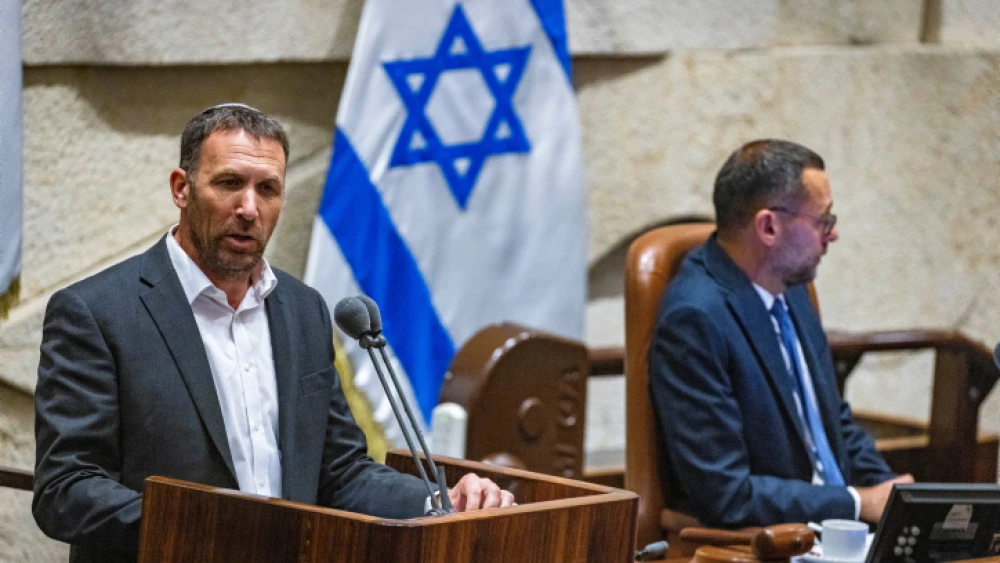
In a statement announcing the move, Deputy Religious Services Minister Matan Kahana clarified that the move was aimed at making women an integral part of halachic instruction in the religious space.
The ministry said the move will “bolster guidance in the field of family purity, from a view that sees this as a vital component in strengthening the family unit” and take on some of the costs of employing them out of a “desire to bring about the integration of women in the halachic-community space.”
This article first appeared in Israel Hayom.


