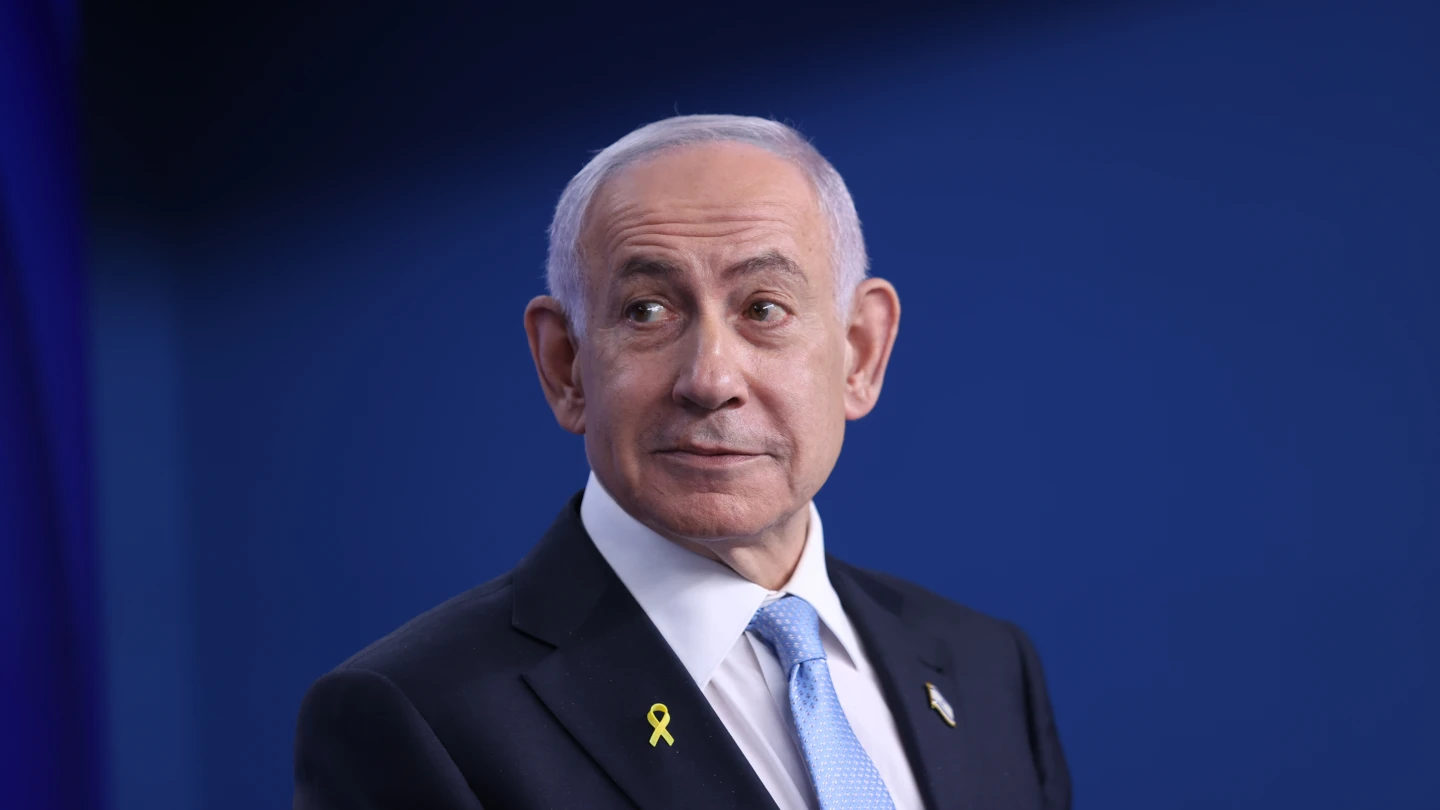
The Israeli and Lebanese governments have given preliminary approval to a U.S.-mediated maritime border deal aimed at ending a dispute over gas-rich waters in the Eastern Mediterranean. “All our demands were met; the changes that we asked for were corrected. We protected Israel’s security interests and are on our way to a historic agreement,” Israeli National Security Council chief and lead negotiator Eyal Hulata said in a statement on Tuesday. The development comes after Israeli Prime Minister Yair Lapid last week rejected “amendments” demanded by Beirut to what was meant to be a final draft of the agreement. Lapid, who initially voiced backing for the deal, instructed Israeli negotiators who are in touch with United States mediator and special energy envoy Amos Hochstein to oppose the modifications. The accord will reportedly draw a border between the two countries’ exclusive economic zones (EEZs) based on a boundary known as Line 23, and award a disputed area of around 840 square kilometers (324 square miles) to Lebanon, while recognizing Israel’s claim to the Karish gas field and to royalties from the section of the Qana field that extends into the Jewish state’s EEZ. “If everything goes well, Amos Hochstein’s efforts could imminently lead to a historic deal,” Lebanon’s lead negotiator Bou Saab told Reuters on Tuesday after receiving the latest draft of the agreement. “Lebanon felt that it takes into consideration all of Lebanon’s requirements and we believe that the other side should feel the same,” he added. Israeli opposition leader Benjamin Netanyahu has accused Lapid of caving in to Hezbollah with regard to the potential deal.
“Yair Lapid shamefully surrendered to [Hezbollah chief Hassan] Nasrallah’s threats,” Netanyahu recently stated, adding: “He is giving Hezbollah sovereign territory of the State of Israel with a huge gas reservoir that belongs to you, the citizens of Israel.”
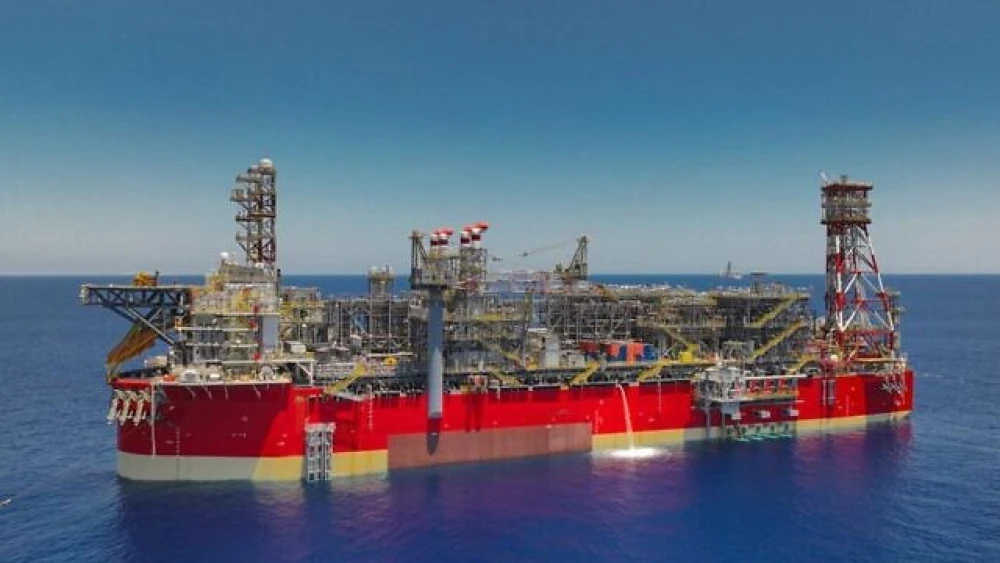
Israel recently set up a rig at Karish, where gas was set to begin flowing in September but was delayed in order to give the talks more time, and amid repeated threats of war by Nasrallah.
The Israel Defense Forces has been on high alert amid concerns that Hezbollah will attack Karish, after the Iranian terror proxy threatened to fire missiles at the installation if Israel extracts gas before an agreement is reached.
On July 2, Hezbollah sent three unmanned aerial vehicles in the direction of Karish, all of which were intercepted by the IDF. Nevertheless, Jerusalem on Sunday gave the green light to Greek-British energy company Energean to begin testing its ability to transfer natural gas at the rig.
On Tuesday, two senior Lebanese officials were quoted by Reuters as saying that Nasrallah had “agreed” to the terms of the maritime border deal and considered related negotiations “over.”
Israeli Minister of National Infrastructures, Energy and Water Resources Karine Elharrar on Tuesday told Army Radio that a signing date for the prospective accord has not been set yet. Israel is holding a national election on Nov. 1 and it remains unclear whether the deal will require parliament’s approval.