Media

“When political speech crosses over into the harassment of an individual, whether in person or online, universities need to act swiftly,” says the Alliance for Academic Freedom.
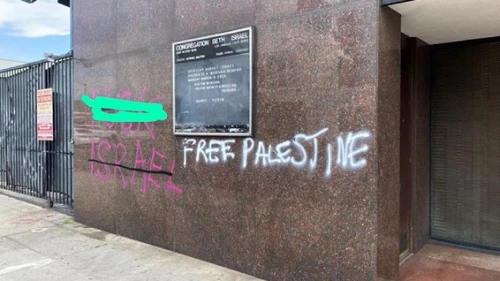
The pandemic, social media, hate online, economic dislocation and physical disruption have come together to create new challenges for the community.

The tweet was from the FBI Records Vault, which posts archived bureau records.

The findings show that not only is Holocaust-denial content available, but the social-media network lists it through the site’s algorithm.
“It’s distressing that it took this long for the platform to crack down on these particular forms of hate when it’s quite obvious they should not have been allowed to proliferate in the first place,” said the ADL.

The threats came less than four months after the deadly attacks on Jews in Jersey City, N.J., and in Monsey, N.Y., in December 2019, and during a time of significant uptick in anti-Semitic activity online.
Community standards on social-media platforms have been criticized for failing to address the growing threat.

The appeal includes an open letter addressed to Twitter CEO and co-founder Jack Dorsey by a New York resident, the petition’s creator.
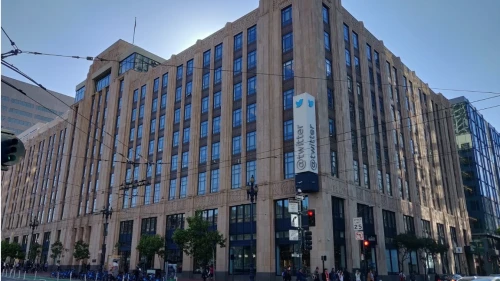
Ellie Cohanim, Deputy Special Envoy for Monitoring and Combating Anti-Semitism, said “Twitter needs to be transparent, act on its stated policy and clarify its use of the IHRA Working Definition on Antisemitism, if you wish to create a ‘safe and friendly’ environment for your users.”
It had already demonetized his videos on its platform following his anti-Semitic tirade.

Larry Johnson then claims the “Israelites (Shemites) aren’t a religion.”

“We are at our worst when we attack one another,” they wrote in a letter that denounced all forms of hate speech.