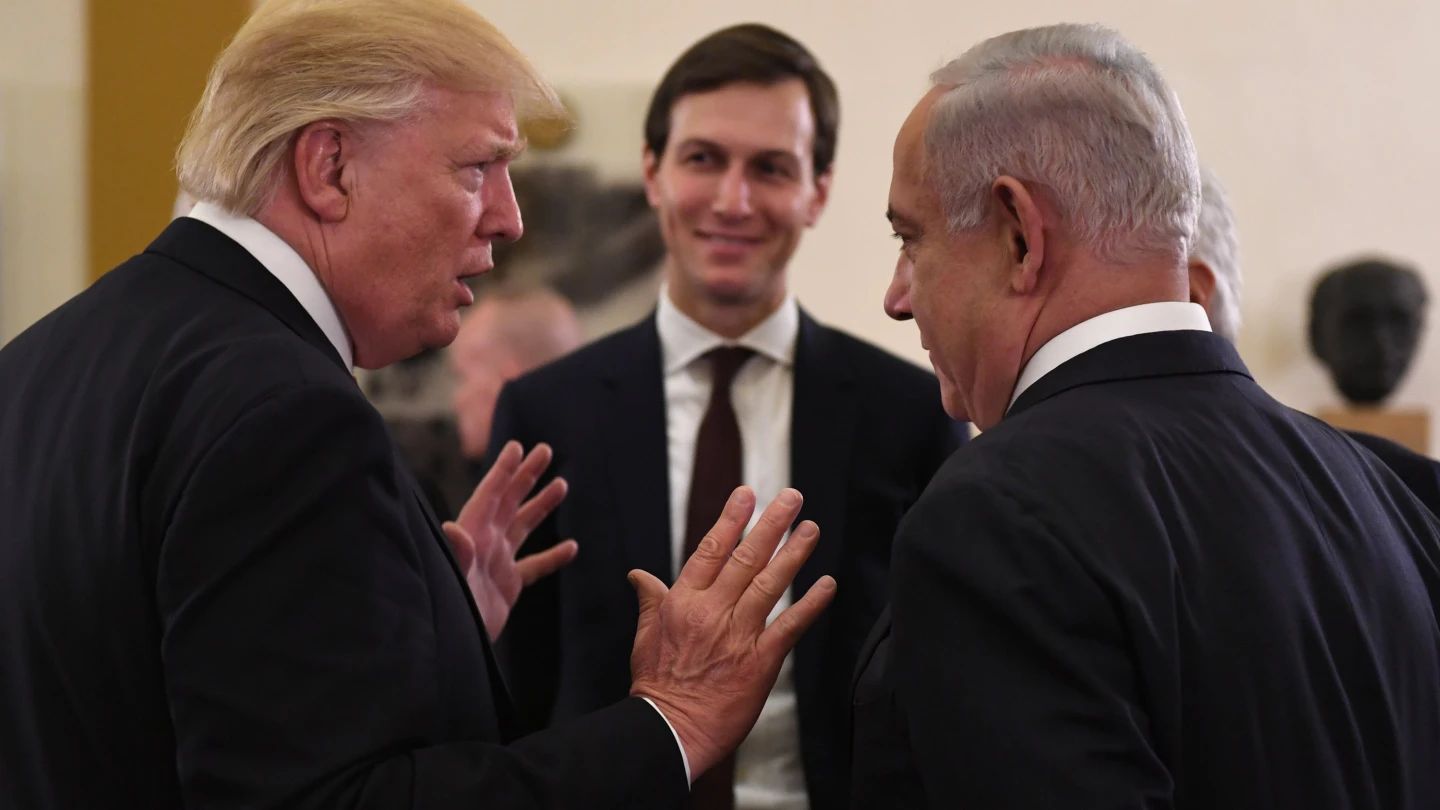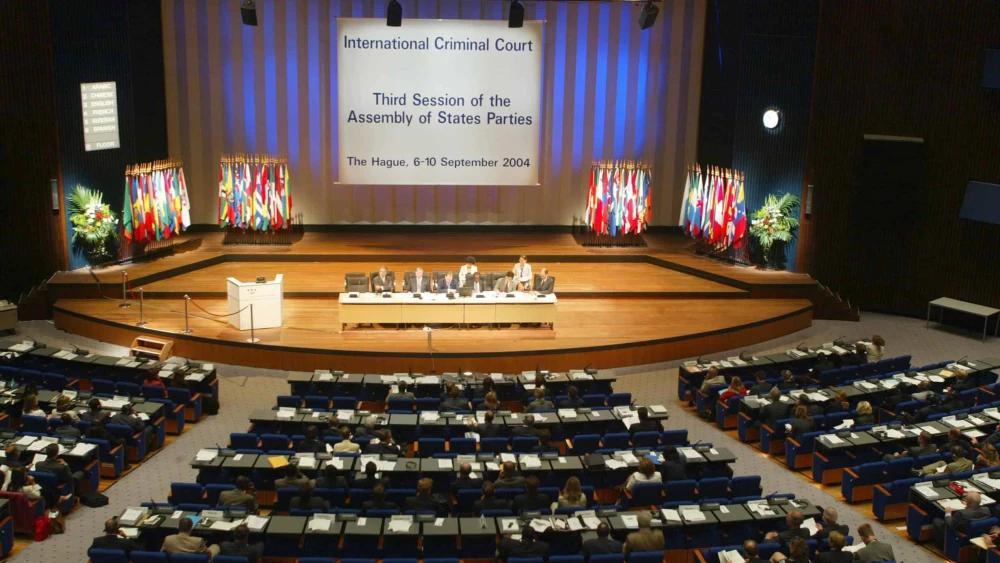
Jesse Furman, a judge on the U.S. District Court for the Southern District of New York, ruled on Monday that U.S. President Donald Trump had the authority under federal emergency powers law to issue his 2025 sanctions order against judges of the International Criminal Court, after the independent Hague-based court issued arrest warrants for the Israeli prime minister and former defense minister.
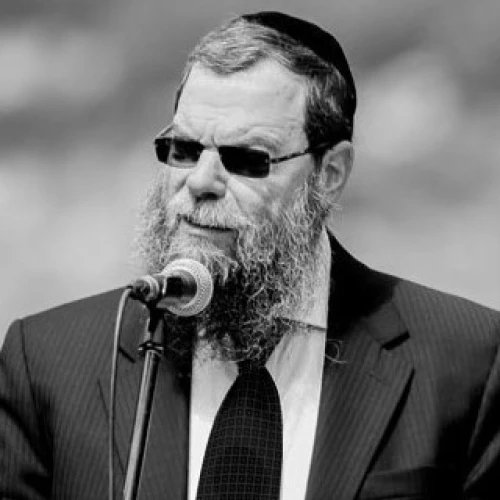
“This is a significant legal victory for the administration’s efforts to combat the weaponization of international justice,” Hillel Neuer, an international human rights lawyer and executive director of the Geneva-based UN Watch, told JNS.
“The ICC’s claim to be an instrument of accountability does not exempt its own officials from accountability,” Neuer said.
The ICC is not connected to the United Nations. The principal U.N. judicial arm, the International Court of Justice, is also based in The Hague. The United States and Israel aren’t parties to the ICC.
Kimberly Prost, Solomy Balungi Bossa and Reine Alapini-Gansou, all judges of the International Criminal Court, sued the Trump administration on June 24 to overturn the sanctions against them.
Furman wrote in his ruling that the United States has long defended the independence of international judges and prosecutors and has supported much of the ICC’s work and that the sanctions “are sharp—and some would say, regrettable—departures from these traditions.”
“But they are departures that this court is not free to second-guess,” he wrote.
Furman is allowing the judges’ claims against U.S. Secretary of State Marco Rubio, who issued the sanctions, to continue. The ICC judges allege that he acted arbitrarily and abused his discretion in imposing the sanctions.
In a separate ruling on Monday, Furman said that the First Amendment protects people and groups who want to submit evidence to the ICC from penalties under the sanctions order.
Section 3 of Trump’s order prohibits providing services to or for the benefit of a sanctioned person. Neuer told JNS that Furman’s ruling does not concern the ICC, but rather “the constitutional rights of Americans.”
“Nothing in that ruling vindicates the ICC’s pursuit of Israeli officials, and nothing in it lifts the sanctions against Francesca Albanese,” he said, of the anti-Israel U.N. special rapporteur.
“Certain groups may now feel emboldened to resume submitting legal briefs, evidence and other forms of speech-based assistance to the ICC or to sanctioned individuals such as Francesca Albanese,” Neuer told JNS.
“Albanese has repeatedly abused the authority of her U.N. office to demonize Israel, excuse its enemies and promote an international campaign of lawfare against the Jewish state,” he said. “Her conduct represents a betrayal of the principles of impartiality and integrity that are supposed to govern U.N. human rights experts.”
The advocacy groups Democracy for the Arab World Now and Taxpayer Alliance Against Genocide brought the case, but Furman said that he would extend that protection to everyone permanently and gave the parties until Dec. 1 to propose wording for the final order.
Neuer urged the Trump administration to “appeal the sweeping scope of the ruling, particularly its extension of injunctive relief beyond the plaintiffs, while ensuring that its sanctions policy fully respects the First Amendment.”
“The objective should be to stop the weaponization of international justice, not to restrict debate about it,” he said.
Eugene Kontorovich, a professor at George Mason University’s Scalia Law School and director of the international law department at the Jerusalem think tank Kohelet Policy Forum, told JNS that the groups were never targeted by the sanctions.
“This litigation was a sideshow to make it seem like the sanctions are about protected speech, which they are not,” Kontorovich said. “They brought the lawsuit for drama purposes.”