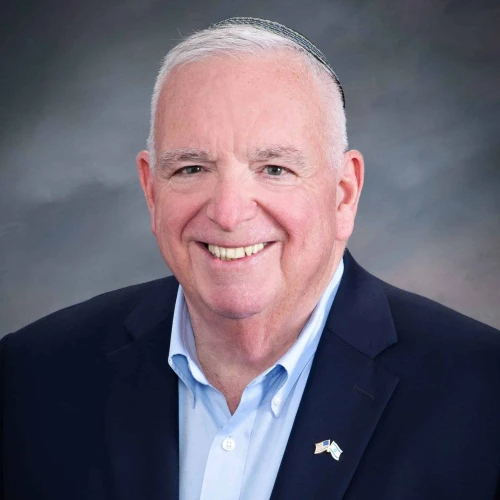
President Donald Trump will keep “all options on the table” to prevent a nuclear-armed Iran, U.S. Ambassador to the U.N. Mike Waltz said on Sunday, while declining to confirm a report that Washington was preparing to resume strikes after the Nov. 3 midterm elections.
Waltz said the United States rejected Iran’s proposed seven-day ceasefire because Tehran sought access to billions of dollars in frozen assets, sanctions relief and an end to the U.S. blockade.
He said Washington had little confidence in another agreement after Iran violated a previous deal by attacking commercial shipping in the Strait of Hormuz.
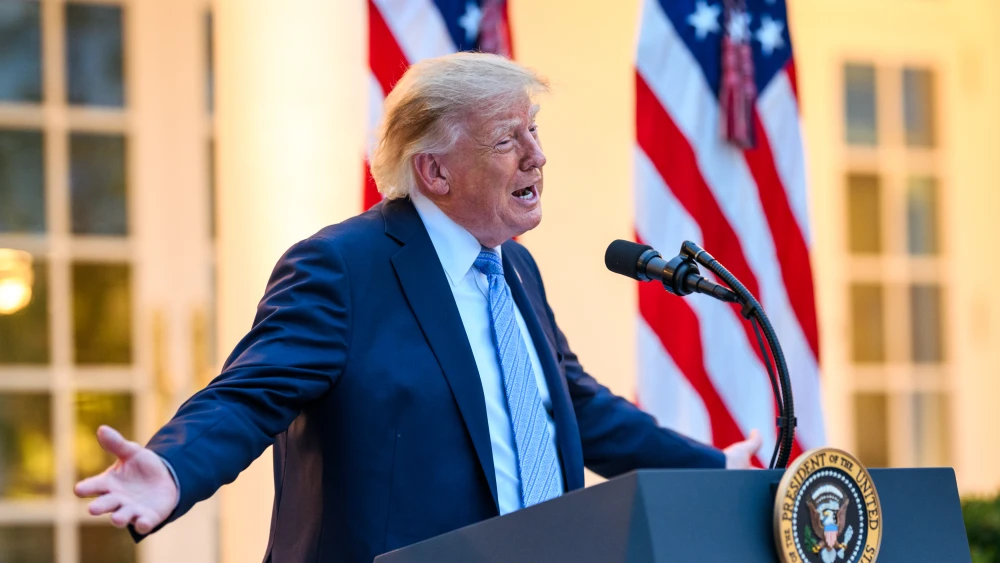
Trump said on Sunday that he expects the U.S. to win the war with Iran “very soon,” speaking with Fox News at the Presidents Cup golf tournament in Chicago.
Trump predicted oil prices would drop “way down to what it was before the war” once it is over. He added, “the key is, Iran will not have a nuclear weapon.”
The president declined to comment on the possibility of further military strikes before the Nov. 3 midterm elections. “I mean, it’s possible, but I just don’t want to say that,” Trump responded.
Asked about “Operation Economic Outcast” against the Islamic Republic, Trump said Washington was winning on both the military and the economic fronts. “We’ve already won it really from a military standpoint, but that doesn’t mean we’ve stopped that,” he said.
He stressed that Iran’s economy is “gone,” with inflation “close to 300%.”
Also on Sunday, Iranian Foreign Minister Abbas Araghchi told NBC News that Tehran was “fully prepared for the war to be resumed” and would stand firm “even if it comes to a doomsday war.”
He added that the Islamic Republic had changed its tactics since earlier fighting but remained ready for diplomacy, saying, “It is up to President Trump to choose.”
Iran’s military spokesman Brig. Gen. Abolfazl Shekarchi on Saturday threatened that ships traveling through the Strait of Hormuz outside the route designated by Tehran “will not be safe,” claiming that control of the waterway remains in the Islamic Republic’s hands.
Shekarchi also warned that Iran has a military “surprise” prepared for its enemies and that Tehran would respond to any new U.S.-Israeli attack with “new military technologies.”
Trump on Saturday confirmed he rejected Iran’s proposal of a seven-day ceasefire made earlier in the week on the sidelines of the United Nations General Assembly annual General Debate in New York.
“They want to make a deal where they open the strait immediately because they’re losing so badly. ... You don’t see that in the fake news,” he said.
“But we’re winning tremendously; we have total control of the Hormuz Strait, massive amounts of oil coming out. ... They want a make a deal, and I think that’s fine. I like making a deal too, but that deal would not be acceptable,” added Trump.
He said the blockade is choking Iran financially, “so they outsmarted themselves. They said, ‘Let’s close it, and cause a problem for the world.’ And then I came along. And we put up the greatest blockade ever in military history. It’s a wall of steel. ... And guess what? They don’t have any money now, because they wanted to close the strait and I said, that’s fine, we’re going to close it on you—but everybody else is able to use it.”