U.S.-Israel Relations
News about governmental relations between Israel and the United States

“The people of Israel welcome you with open arms and an open heart,” says President Isaac Herzog to Ambassador Thomas Nides.
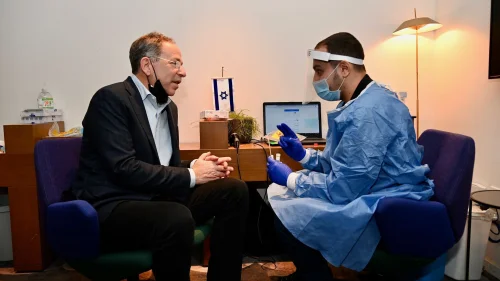
He will replace senior diplomat Michael Ratney, who has served as charge d’affaires at the U.S. embassy in Jerusalem since June.
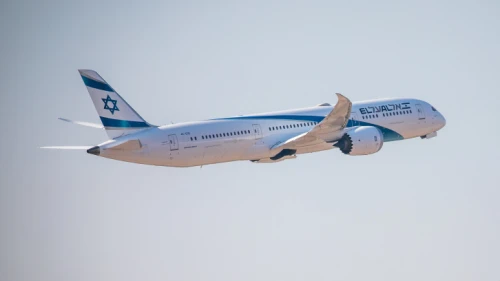
“Israel’s participation in this program would grow the U.S. economy, strengthen national security at each of our borders, and increase opportunities for people-to-people exchange, which bolsters our already unique bilateral relationship,” bipartisan letter states.

Israel has invested “strategic-level” resources but achieved only “tactical” results, says the Israeli premier.
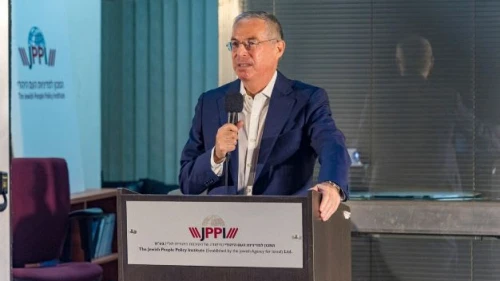
“With the administration, we will work to deepen our cooperation,” said Israeli Ambassador to the United States Michael Herzog.

Her visit comes amid concerns about America’s attempt to re-enter the Iran nuclear deal, the Biden administration’s plans to reopen the U.S. consulate for Palestinians in Jerusalem and a recent abstention vote on an anti-Israel resolution put forth on UNRWA.

It comes after the liberal Israel lobby group has been shunned for years by former Israeli Prime Minister Benjamin Netanyahu.

“We discussed the region’s most pressing challenges, starting with Iran and its destabilizing influence. We also reiterated the unwavering bond between the U.S. and Israel,” tweeted Israel’s defense minister.

The move ends a nearly 10-month period in which Washington had no official envoy in the Jewish state.
Deborah Lipstadt, the administration’s choice to serve as Special Envoy for Monitoring and Combating anti-Semitism, has also yet to be confirmed.

A new report notes growing venture investment, acquisitions of Israeli companies, Israeli-founded unicorns and public companies in Silicon Valley, and corporate and binational R&D.
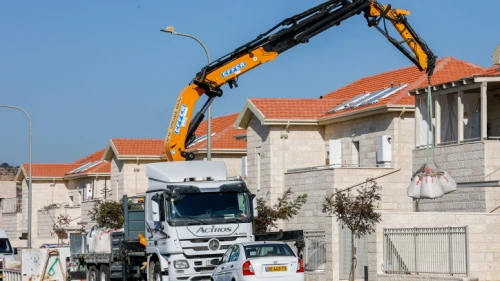
The final go-ahead was granted for 1,800 units, while 1,344 received preliminary approval. A further 1,303 units are to be approved for Palestinians in Judea and Samaria.