The Saudi man accused of helping a Jewish journalist with Israel’s Channel 13 sneak into the holy Muslim city of Mecca in Saudi Arabia on Monday was arrested and charged by Saudi Authorities on Friday.
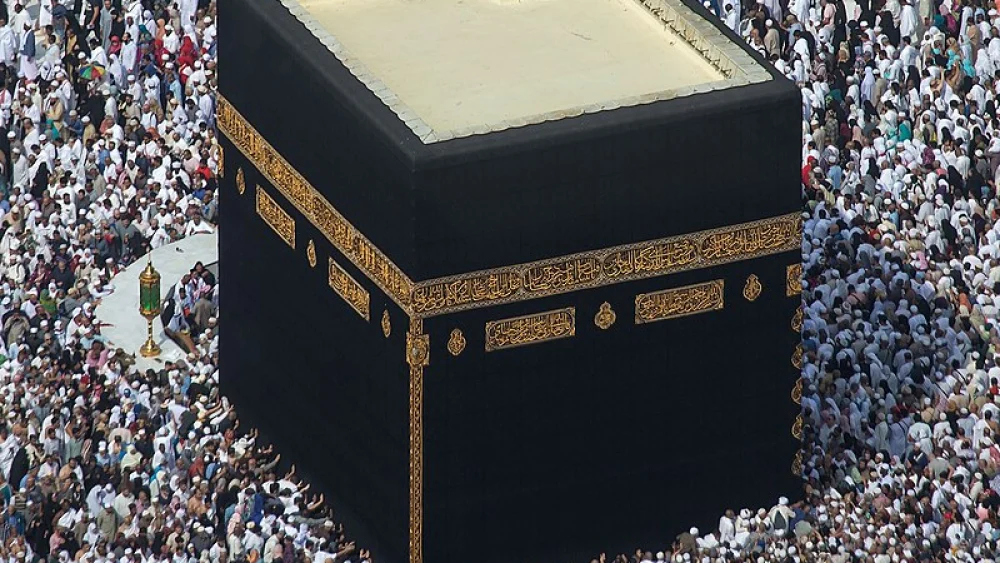
The man, whose identity is unknown—his face blurred out and voice changed in a clip aired by the channel on Monday—is accused of “transferring and facilitating the entry” of a non-Muslim journalist into the city, which is the birthplace of the Prophet Muhammed and location of Islam’s holiest site, the Kaaba, according to a spokesperson of the Mecca police cited by the Saudi Press Agency.
Only Muslims are allowed to enter the city by law. The incident in which Channel 13’s chief international news editor Gil Tamary, a U.S. citizen, sneaked into the city while being one of three Israeli journalists to be allowed into Saudi Arabia to accompany a visit by U.S. President Joe Biden, has been widely criticized.
Tamary apologized for the visit on Tuesday, the day after the 10-minute video aired, saying that it “was not intended to offend Muslims,” and that its purpose was to “showcase the importance of Mecca” and its beauty.
The Saudi Press Agency also noted, without naming Tamary, that “the case of the journalist who committed the crime has been referred to the public prosecution [agency] to take the necessary procedures against him in accordance with the applied laws.”
https://twitter.com/newsisrael13/status/1549059304870842369?s=20&t=3_me_j8HCd5rXn80Nl9EFQ