Archaeology
News and features about archaeological finds linking stories from the Torah and Prophets, or other historical events to the State of Israel

Researchers found minimal environmental and health impacts at King Solomon’s copper mines in southern Israel’s Timna Valley.

Sotheby’s dates the tablet to approximately 1,500 years ago, though some experts have challenged this. The artifact, weighing approximately 115 pounds and extending 24 inches in length, features ancient Hebrew script.

“This decision does not come without significant pain,” said the executive director of the Contemporary Jewish Museum in San Francisco.
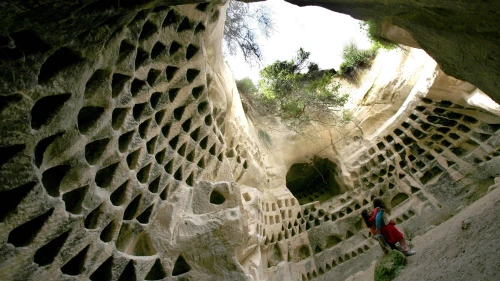
It would be “extremely surprising” if the best historical source “forgot or did not know who were the Jewish leaders of this war which devastated the area,” writes Haggai Olshanetsky, a University of Warsaw historian and archeologist.

According to researchers, the ritual complex reveals new information about the spiritual life of the Upper Paleolithic people in the Levant.

“The fact that this may be the only such banner in the world does not particularly fill us with pride,” said a spokesman for the National Museum in Poznań.
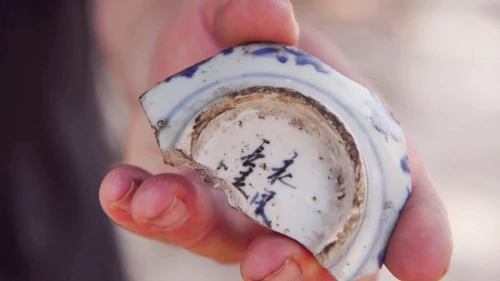
The Ming Dynasty bowl on which it was found dates back to 1520-1570, according to the Israel Antiquities Authority.

Elevators, ramps and widened pathways have transformed the heritage site in the capital’s Old City.

“I was looking down at the ground to find porcupine needles and smooth pebbles,” said Dafna Filshteiner.
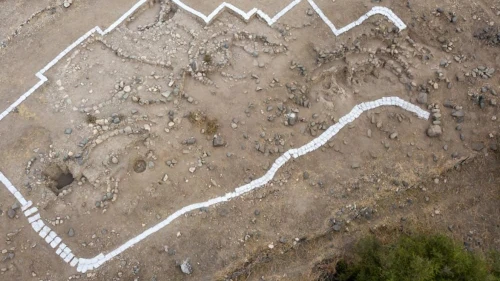
A rare glimpse into the Natufian culture and the transition from a hunter-gatherer society to an agricultural one.

“These defendants allegedly targeted museum board members with threats and antisemitic graffiti based on their perceived heritage,” Eric Gonzalez said.

“Kristallnacht is not part of history but happening today. The way to fight antisemitism is to educate the youth.”