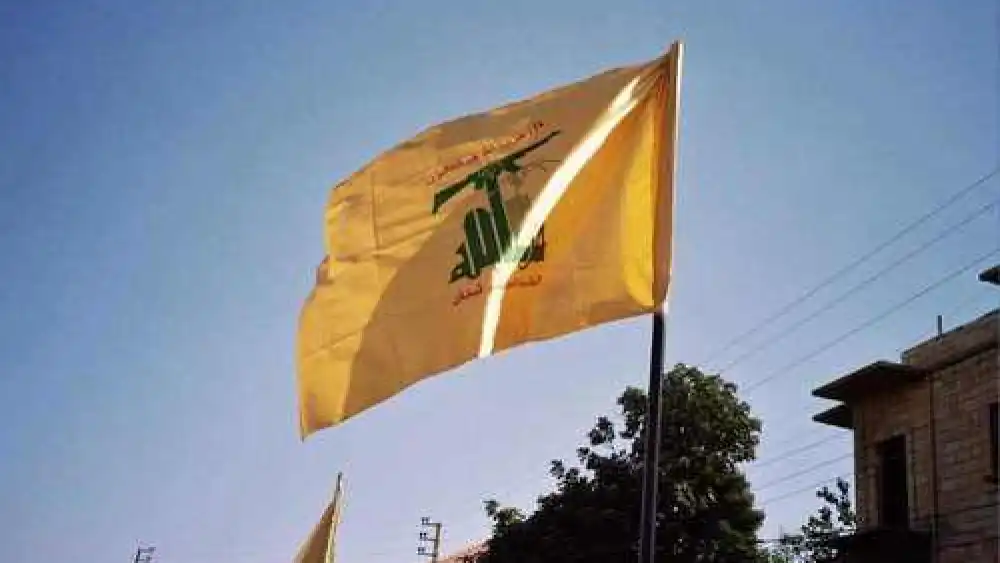
A bill has been introduced in the U.S. House of Representatives to counter money laundering by the U.S.-designated terrorist group Hezbollah.
Rep. Joe Wilson (R-S.C.) introduced “The Hezbollah Money Laundering Prevention Act of 2020” on Sept. 30, based upon recommendations made by the Republican Study Committee’s National Security Strategy.
If enacted, it would put a stop to Hezbollah’s money-laundering activities throughout the world, especially in Lebanon and Latin America, by requiring the president to make a determination that areas under the terrorist group’s control—in south Lebanon and in the tri-border region in South America—are “primary money-laundering concerns” under Section 311 of the USA PATRIOT Act, which gives the U.S. Treasury secretary options to more effectively target money laundering and terrorist financing.
“This bill represents the toughest sanctions on Hezbollah ever proposed by Congress,” said Wilson in a statement. “By cutting off banks in areas under the terror group’s control from the international financial system, this bill will go a long way towards drying up the Iranian terror proxy’s resources to conduct murderous attacks against the U.S. and our allies.”
“This bill will make it much harder for Hezbollah to do Iran’s bidding in propping up the criminal [Bashar] Assad regime, the Houthis in Yemen, and continue to destabilize the Middle East,” he continued.
The bill has 13 co-sponsors, all Republicans.