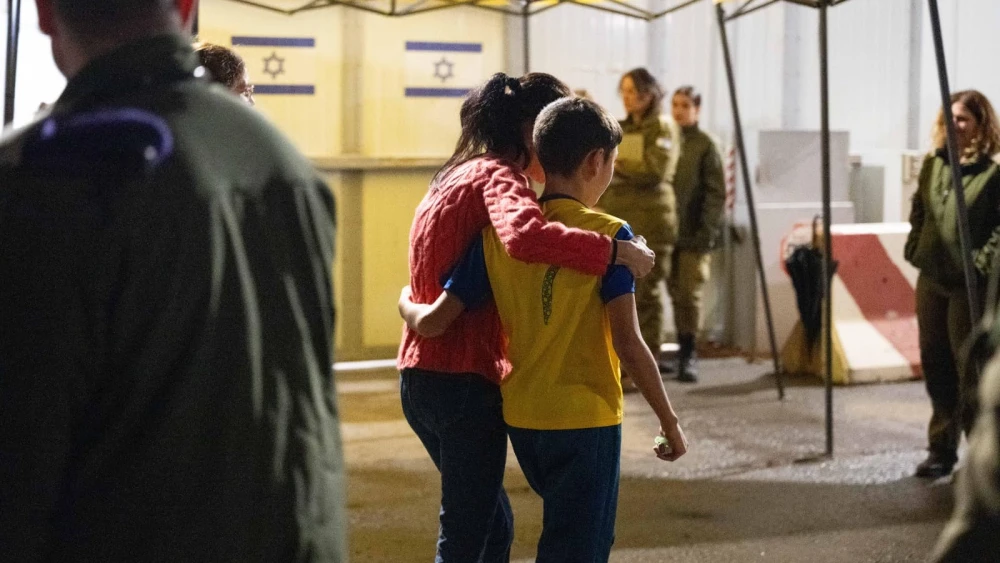
Schneider Children’s Medical Center of Israel in Petach Tikvah has documented the medical conditions of 26 women and children released from Hamas captivity in Gaza.
In the report, the details of which were published in Maariv for the first time on Sunday, experts at the hospital summarized the hard conditions suffered by those held captive by the terrorist group following the Oct. 7 attack on the northwestern Negev that killed some 1,200 people. The terrorists took around 250 people back to Gaza, 115 of whom remain there after 310 days.
Around 50 Israeli women and children were released in the November 2023 hostage deal; the study examined the medical records of 19 children between the ages of 2 and 18 and seven women between the ages of 34 and 78, who were all hospitalized at Schneider.
The findings
Ten patients, including a toddler, suffered from chronic constipation as a result of the prolonged hunger, thirst and the lack of food rich in fats and dietary fibers important for the digestive process.
Two women and nine children suffered from chronic diarrhea, with stool tests showing the growth of multiple fecal bacteria from the bad hygienic conditions.
All of the abductees suffered from starvation and poor nutrition. Fifteen of them displayed significant weight loss up to 15% of their body mass. According to the abductees, their diet consisted of a small amount of rice and white bread without vegetables, protein and fat.
Upon arrival, all of the patients received a nutritional regimen to avoid the risk of a severe syndrome known as “over-feeding.” All the patients were treated with multivitamins.
All 26 patients reported poor sanitation and poor hygiene conditions, including two women and six children who were kept underground in dark conditions for most of their captivity. Some suffered from a lack of vitamin D.
Most of the hostages reported limited access to running water. In six of the patients, head lice was found that required a haircut and the start of drug treatment. One woman and five children suffered from multiple insect bites and skin irritation.
Three of the children had a history of asthma and experienced attacks during captivity. It was unclear whether they were given inhalers. One woman and two children suffered from generalized muscle pain shortly after being hospitalized.
Lab tests showed high levels of the creatine phosphokinase (CPK) enzyme, indicating significant muscle damage, possibly from sitting for prolonged periods.
According to the blood tests, around half of the patients suffered from tick-borne fever, Q fever from inhaling dust or coming into contact with sick animals and murine fever caused by bacteria. These infections can cause neurological problems, breathing difficulties and damage to joints and muscles, and are sometimes life-threatening.
Fourteen of the hostages were wounded during the Oct. 7 attack and kidnapping, including nine by shrapnel that remained in their bodies, in their chest, limbs or pelvis. One had a fractured rib and lung injury with bleeding. Another suffered a gunshot wound to the lower abdominal wall.
All of the freed abductees reported undergoing psychological terrorism, including isolation, intimidation, food and water restriction and psychological abuse.
After being admitted to the hospital, all of the children under seven exhibited submissive behavior, with some suffering from repeated nightmares. The kidnapped children spoke in whispers, being accustomed to being threatened by terrorists.
Three toddlers showed behavioral patterns of taking the food given to them and saving it for later. Some abductees suffered from immediate anxiety disorders and started psychiatric medication.
“The abductees who returned after about 50 days from the atrocities of Hamas captivity suffered significant health damage, and they are still dealing with the medical and mental consequences of captivity,” said Professor Hagai Levin, head of the medical team at the Hostages and Missing Families Forum.
More than 300 days
“The condition of the abductees who will return after over 300 days in captivity is expected to be more serious, as detailed in the medical report of the medical division at the Hostages and Missing Families Forum. Some will not have survived.
“The dimension of time is critical,” said Levin.
“Even a young and healthy person cannot survive hundreds of days of extreme hunger, thirst and dehydration, infections, injuries, abuse and harsh environmental conditions. As time goes on, the physical and mental reserves become more and more depleted.
‘The abductees are in immediate danger of their lives The medical teams in Israel are longing for the return of the abductees, and now the difficult medical findings that are being published show how important and necessary it is to bring them home for rehabilitation and the dead for burial,” he said.