Middle East

The delegations will fly from Tel Aviv to Abu Dhabi in an Israeli jet in what will be the first direct commercial flight between the two nations.

In addition to traveling to Israel and the UAE, the U.S. delegation will visit Bahrain, Morocco, Saudi Arabia and Qatar.
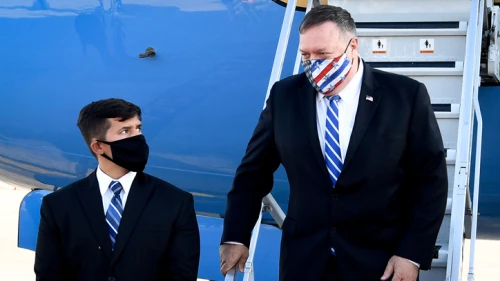
While in Jerusalem, the U.S. secretary of state was set to deliver a taped speech for the Republican National Convention—a move that breaches decades of protocol.

Normalization with “the Zionist entity” encourage violation of “Palestinian rights,” says Moroccan Prime Minister Saad-Eddine el-Othmani.

The pact with the United Arab Emirates to include embassies, direct flights and bilateral agreements in security, business, culture and other sectors.
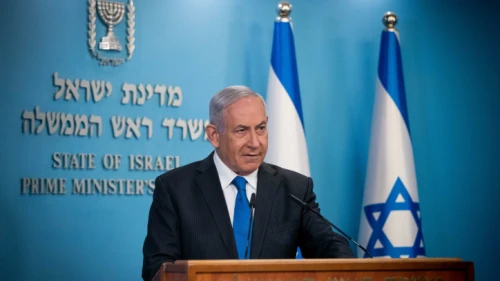
“We made peace without conceding land,” says Israeli Prime Minister Benjamin Netanyahu in the wake of normalization with the UAE. As for the Palestinians, they “haven’t changed since the Balfour Declaration.”
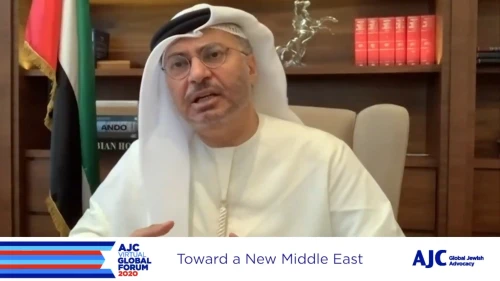
The deal between is seen by many observers as a way to counter the Iranian regional threat.

Along with Bahrain, reported as likely to become the second Gulf nation after the UAE to establish formal relations with Israel, Saudi Arabia is expected to follow suit.

Hundreds of Bedouin youths were involved in the Israel Antiquities Authority dig, whose purpose was to reestablish the connection between the community and the history of the area.

The Muslim Brotherhood is very strong in Kuwait, and the state has strong very ties with the Palestinians, says Middle East scholar Michael Barak.

Discussions between Mossad director Yossi Cohen and Bahraini Prime Minister Khalifa bin Salman Al Khalifa appear to be a positive sign.
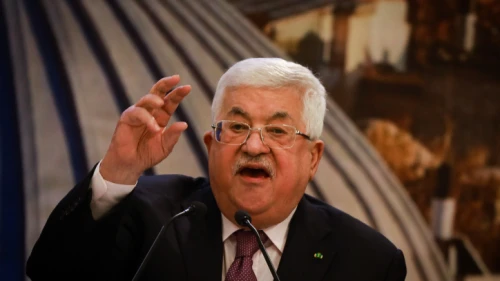
The leaders of Bahrain and Egypt, however, welcomed the agreement.