Middle East

The recent IDF campaign in Syria may have damaged the prospects for an expansion of the Abraham Accords.

What connects the countries is not just a peace treaty but a shared strategic understanding of both common and unexpected threats that cross borders.

“Our goal was dialogue and de-escalation, and we accomplished precisely that,” Tom Barrack posted on X.
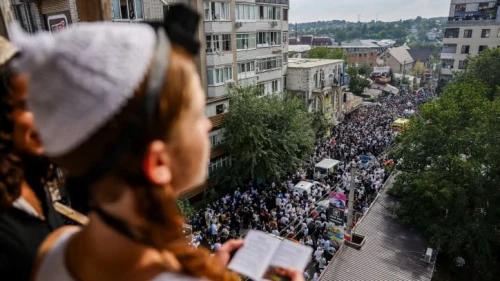
“Both Ukraine and Israel are going through difficult times, but the friendship between us is steadfast,” Foreign Minister Gideon Sa’ar said.

The explosions, occurring almost daily, have fueled a sense of anxiety among the population, according to “The New York Times.”

The Israeli president expresses solidarity with the community, calling them an inseparable part of Israel and Israeli society.

Former Israeli national security adviser tells JNS Syria’s new leader “cannot persist for long in a direction that is 180 degrees opposite to his base.”

Police say the 65-year-old praised Hamas, Al Qaeda, ISIS and kept weapons and an ISIS flag at home.
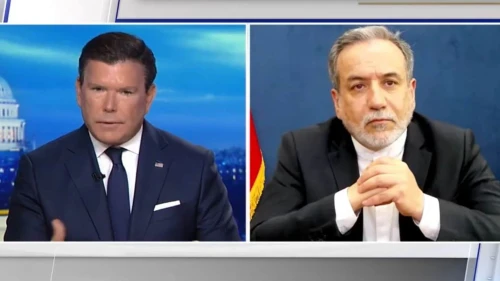
Calling nuclear enrichment an “achievement of our own scientists,” Iran’s Foreign Minister said it was also “a question of national pride.”

“With strong links to various international actors, we can—and will—play a much more important role,” President Ilham Aliyev tells journalists.
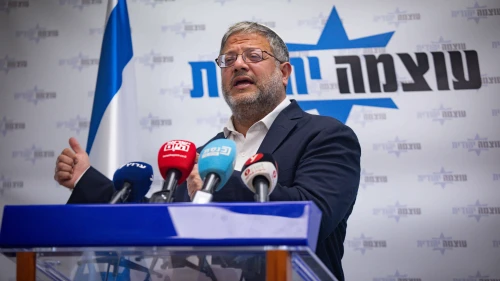
Knesset member Benny Gantz, a former IDF chief of staff, said “any option should be on the table” if the attacks on Syrian Druze continue.

Jerusalem is also reinforcing border security to deter further unrest.