Israeli Foreign Minister Gideon Sa’ar said on Wednesday that the Iran ceasefire does not extend to Hezbollah forces operating in Lebanon.
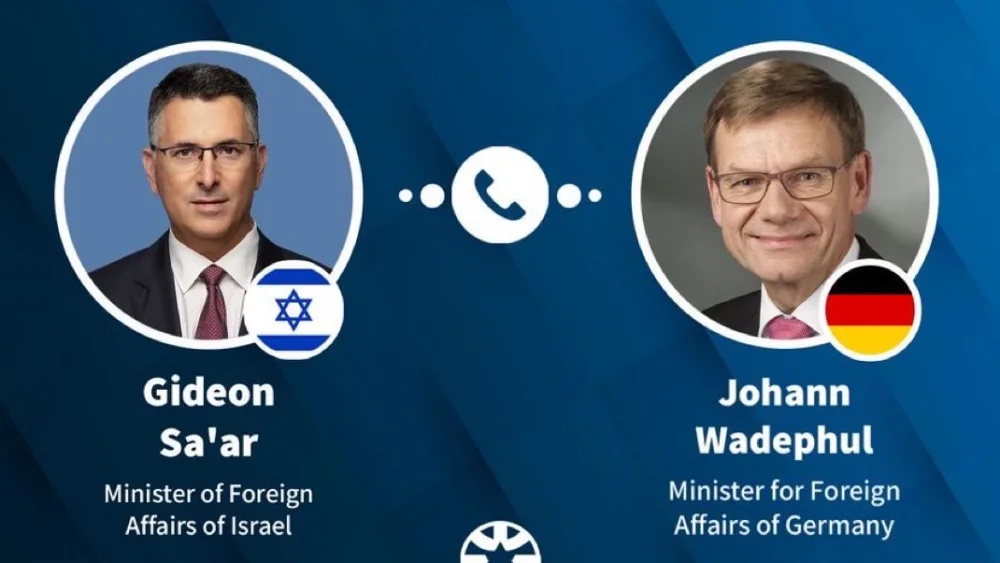
In a post on X, Sa’ar said he spoke with German Foreign Minister Johann Wadephul following the truce, emphasizing that Israel and the United States remain committed to preventing Iran from acquiring nuclear weapons. He added that he expects the same determination to be shown in diplomatic efforts, citing comments by U.S. President Donald Trump earlier in the day.
Sa’ar stressed that “Lebanon, from which Hezbollah operates against Israel and its citizens, is not Iranian territory and is not part of the ceasefire.”
I spoke with my friend @JoWadephul the German Foreign Minister, following the announcement of the ceasefire in the war with Iran.
— Gideon Sa'ar | גדעון סער (@gidonsaar) April 8, 2026
The United States and Israel have demonstrated an unwavering commitment to achieving the goal that matters to the entire international community:… pic.twitter.com/CyBC7muZ9V
White House Press Secretary Karoline Leavitt also clarified on Wednesday that “Lebanon is not part of the ceasefire” announced by Trump, adding that the message has been made clear to all parties.
She noted that Israeli Prime Minister Benjamin Netanyahu expressed support for the U.S.-brokered ceasefire with Iran and assured Trump that Israel “will continue to be a helpful partner” over the next two weeks.
Leavitt described the ceasefire as “a victory for the United States of America,” crediting “Operation Epic Fury” with dismantling Iran’s military capabilities and forcing Tehran to agree to halt hostilities. She said in 38 days, U.S. forces conducted more than 13,000 strikes that destroyed much of Iran’s defense infrastructure, air and naval forces and weapons production.
The press secretary said Iran’s ability to fund and arm terror proxy groups has been “greatly reduced” and that the country’s nuclear ambitions have been “eliminated.” Leavitt said the campaign’s success created leverage for “tough negotiations” that led Iran to reopen the Strait of Hormuz and propose what she called a “workable” basis for continued diplomacy.
Leavitt stressed that Trump’s negotiating red lines, including ending uranium enrichment inside Iran, “have not changed,” and rejected reports suggesting otherwise as “false.” She said the president “will only accept a deal that serves America’s interests.”
Thirteen U.S. troops were killed during the 38-day campaign, Leavitt said, adding that Trump “honors their ultimate sacrifice,” which she said helped secure the ceasefire and laid the groundwork for future peace talks.