Long a contentious issue in the heavily Chassidic neighborhood of Williamsburg in Brooklyn, protected bike lanes may soon become a flashpoint again.
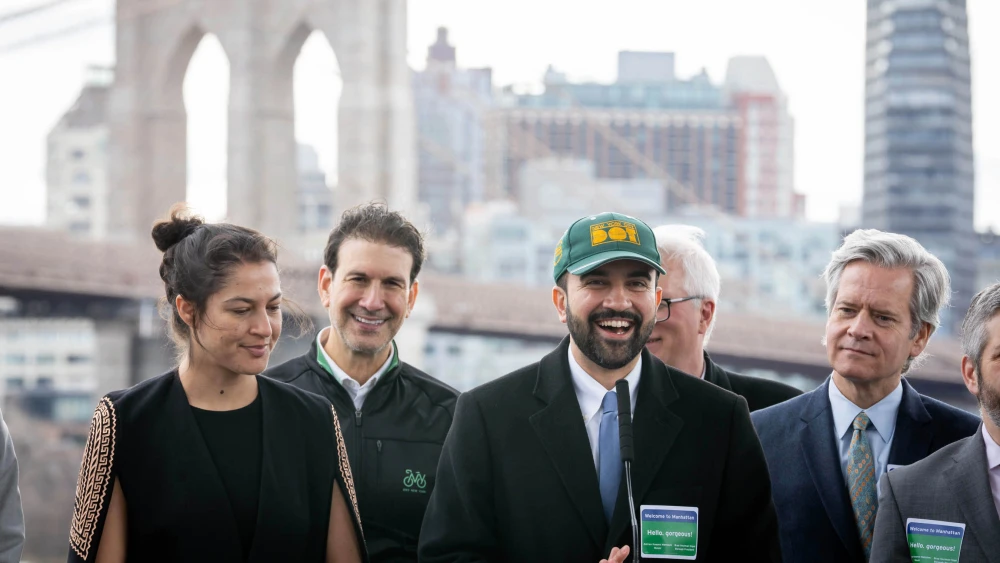
New York City Mayor Zohran Mamdani is making infrastructure improvement a focus of his administration, especially in anticipation of the World Cup games scheduled to be held in the area in July. Those enhancements include protected bike lanes approaching the Brooklyn Bridge in nearby downtown Brooklyn.
The former mayor, Eric Adams, had removed a protected bike lane in Williamsburg at the behest of the Chassidic communities in the populous neighborhood.
Williamsburg is also home to many non-Chassidic residents, including Latinos and young professionals who flock to the gentrifying neighborhood for its hip shops, music venues and proximity to the East River waterfront.
The Chassidic communities, which have high birth rates and large families, skew younger, on average.
A reporter asked Mamdani on March 31 at a press conference if he plans to restore the protected bike lane on Bedford Avenue, a major thoroughfare through Williamsburg and other parts of Brooklyn. The mayor appeared to dodge the issue.

“I’m going to follow up with DOT and then get back to you on the specifics of the delay and the implementation,” he said, of the transportation department.
As a candidate, Mamdani promised to restore the bike lane, which was situated between the curb and parked cars to protect bikers from vehicular traffic.
Protected bike lanes can put vulnerable pedestrians, including children, at risk, because they have to cross in the path of oncoming cyclists to reach school buses that pull up outside their homes.
Yellow buses, with school names in Yiddish on their sides, criss-cross Williamsburg on the six days a week that children there attend yeshiva.
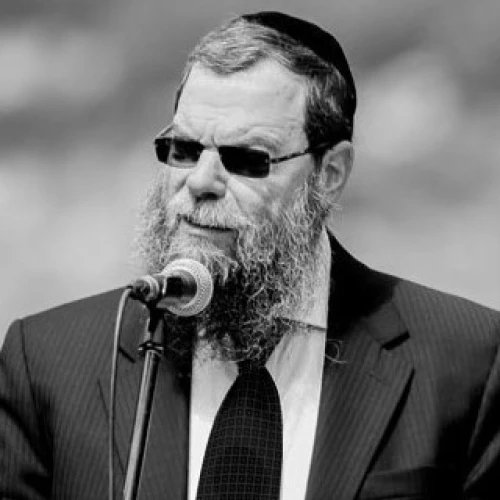
Rabbi David Niederman, executive director of United Jewish Organizations of Williamsburg, was hurrying to burn his chametz on the eve of Passover on Wednesday when he told JNS why his community opposes the bike lanes.
“This is an issue of safety,” he said, as car horns blared loudly behind him on a busy Williamsburg street.
“We have so many elderly and children, and it is not safe for pedestrians and not for the drivers,” he said, referring to bikers.
“The former vice chair of my board was hit by a bike and was terribly injured,” said Niederman, the longtime leader of the social services and advocacy organization.
The local community leader also said that the issue “did not come up at all” at the March 16 meeting the mayor held with Orthodox Jewish leaders.
The March 31 press conference focused on improvements to storm drain systems in flood-prone parts of New York City, including making sewer grates less dangerous for cyclists.
Mamdani wove in references to Brooklyn rapper 2 Milly and “the importance of delivering sewer socialism across the five boroughs.”