The Obama administration’s decision to embrace the Muslim Brotherhood in 2011 and then enter into the Iran nuclear deal in 2015 rattled the Sunni Arab states to their core.
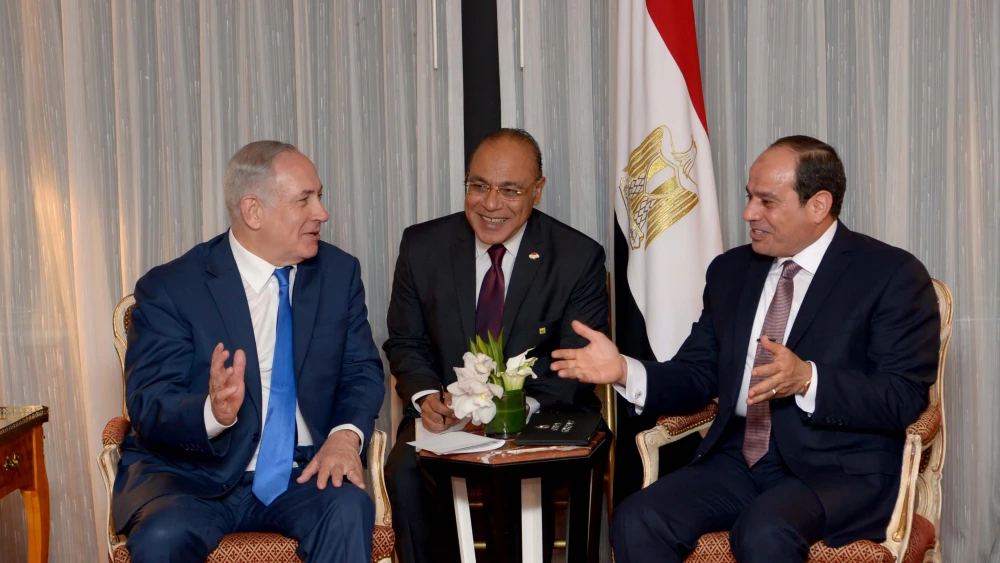
Washington, the historic guarantor of Arab security, undertook two decisions that threatened these countries directly. That’s when the Sunni Arab world began to draw closer to Israel, the region’s strongest military power with a track record of successfully countering the Brotherhood and Iran.
This dynamic has become more pronounced during the Trump administration. Trump has strong ties to both Jerusalem and Riyadh, and is actively working to solidify the new and evolving “regional architecture” between Israel and its neighbors.
All the while, the Trump administration has actively weakened core Palestinian negotiating positions in anticipation of a new peace deal. The Palestinians have vociferously opposed this deal, while the Sunni states have not.
The Arab states may not have given up on the Palestinian cause entirely, but it is increasingly clear that the Palestinian cause is no longer a core national interest. Given this remarkable turn of events, it’s worth asking whether it was a core national interest in the first place.
Jonathan Schanzer, Senior Vice President, Foundation for Defense of Democracies, Washington D.C.
This article was originally published as part of a debate published on BESA by George N. Tzogopoulos.