
The existence of boycotts in Israeli politics, based primarily on personal antipathy and even hatred, has become a major factor in creating electoral stalemates. Such a situation was on display regarding Israeli Prime Minister Benjamin Netanyahu in the aftermath of the Oct. 27 elections.
For the good of the country, this Netanyahu derangement syndrome must be acknowledged and abandoned.
Naftali Bennett’s Beyahad and Yair Lapid’s Yesh Atid parties joined forces and garnered 12 seats. Both Bennett and Lapid have experience serving in various positions in previous Netanyahu governments, and both left with a grudge.
Ideologically, Bennett is right-of-center and could be a natural partner with Netanyahu’s Likud Party (27 seats). While Lapid represents Tel Aviv liberalism, his Yesh Atid is essentially a centrist party, not one on the hard left. Indeed, it was part of a coalition government under Netanyahu in 2013.
If both Bennett and Lapid would forgo their rancor toward Netanyahu, they would feel more comfortable in a Likud-led government than with Gadi Eisenkot’s Yashar party (21 seats), the far-left Yair Golan’s Democrats (eight seats) and the Arab parties (19 seats).
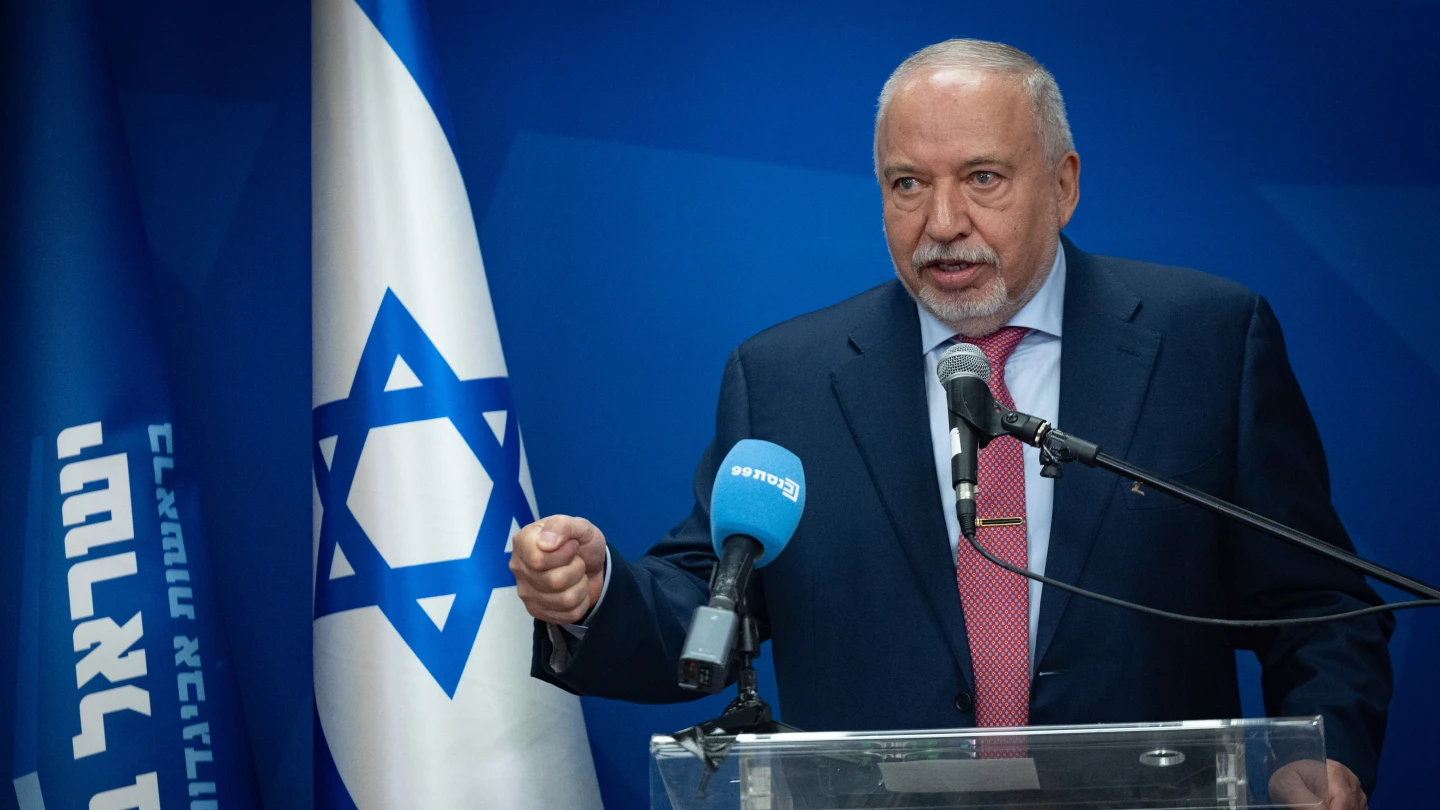
Avigdor Liberman’s Yisrael Beitenu Party (seven seats) is ideologically on the political right. He served as deputy prime minister, defense minister and foreign minister in various Netanyahu governments.
His animosity toward Netanyahu stems from Liberman’s failure to become prime minister, although his party was a minority in a Likud majority government and he didn’t possess the qualifications, military experience, charisma and international connections that Netanyahu did.
However, should Liberman forgo his personal antagonism towards Netanyahu and consider what is good for the State of Israel, he would be a natural partner in a Likud-led government.
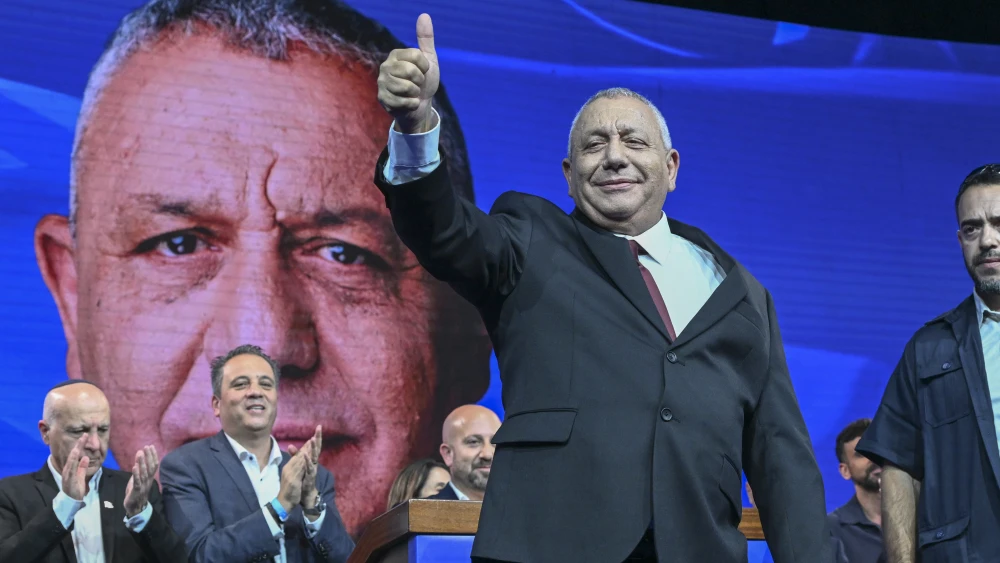
Gadi Eisenkot’s Yashar party is another centrist party with a liberal agenda. Eisenkot, however, lacks the political experience necessary to serve effectively as prime minister. At this juncture, when relationships with world leaders are crucial given Israel’s isolation in many parts of the world, he would be a high-risk candidate for prime minister.
Moreover, Israel is facing a critical confrontation with the Islamic Republic of Iran, and only a unity government can bring the nation together and provide the framework for making the most effective decisions.
Eisenkot also does not have the language skills or the charisma needed to communicate with other leaders on the world stage. If Eisenkot were able to show some humility by accepting the role of deputy prime minister in the framework of a binding rotation agreement with Netanyahu, more than likely he could become prime minister after gaining two years of experience working with Netanyahu, who might then choose to retire.
Eisenkot also does not have the language skills or the charisma needed to communicate with other leaders on the world stage.
In a coalition government comprised of Yashar, Beyahad and Yisrael Beitenu, along with Netanyahu’s Likud, Israel would have a solid government of 80 seats in the Knesset without the Haredi parties.
This would enable the government to legislate a draft law that would require yeshiva students to serve in the IDF and generate thousands of new recruits to the army that are desperately needed given a manpower shortage at a time of multiple wars. This would go a long way towards easing the burden on IDF reservists who are currently serving long stints, as well as fostering unity by bringing all sectors of Israeli society together.
More than likely, Israel’s President Isaac Herzog will give Eisenkot the first shot at forming a coalition government. The Arab parties are recommending him to do so and, possibly, Agudath Yisrael, a faction of United Torah Judaism will do so as well. If that is the case, then Eisenkot would have a majority of elected Knesset members endorsing him.
Eisenkot’s chances of forming a coalition are low. Golan is pushing him to enlist the Arab-Islamist party Ra’am’s eight seats and have the Arab Joint List Party (11 seats) support him from outside the coalition. This would give Eisenkot a solid 67-seat majority in support of his government.
Should Eizenkot choose that option, however, it would negate his promises to establish a government with Zionist parties only. Liberman would likely pull out since he has repeatedly declared that he will not sit in a government with Arab parties, despite the fact that in 2021 he did sit with Ra’am in a government led by Bennett.
On issues such as eliminating Hamas and Palestinian Islamic Jihad (PIJ) from Gaza or a war with Iran, Ra’am and the Joint List would withdraw their support from Eisenkot’s government. In addition, most Yashar voters would oppose a coalition with anti-Zionist Arab parties.
Another option for Eisenkot might be to recruit the Haredi parties of United Torah Judaism (seven seats) and Shas (six seats) for an unreliable total of 61. This would put Eisenkot once again in a predicament, as his primary issue during the election campaign was a draft law that would enlist yeshiva students. He will not want to break his promises to his voters.
Eisenkot might also try to steal away individual Likud or Religious Zionist Party (six seats) members, but there is a slim chance of that happening.
The one option everyone wants to steer clear of is a repeat election cycle within six months. The costs involved and the chaos it would create mitigate against it. It should be a last resort.
When it comes to the national interests of the State of Israel, a unity government is not merely the preferred option—should egos and boycotts be put aside—but it is also essential for Israel’s national security and economic stability.
Without the Haredi parties and the anti-Zionist Arab parties, a unity government could legislate a fair draft bill, decide on an adequate inquiry commission into the failures of Oct. 7 and diminish extremist policies. Israel’s future requires compromise for a strong peoplehood.