My friends at the nonprofit organization “Zikaron B’Salon” are always grappling with the question, “What will happen when we wake up to the headline informing us that the last Holocaust survivor has just died?”
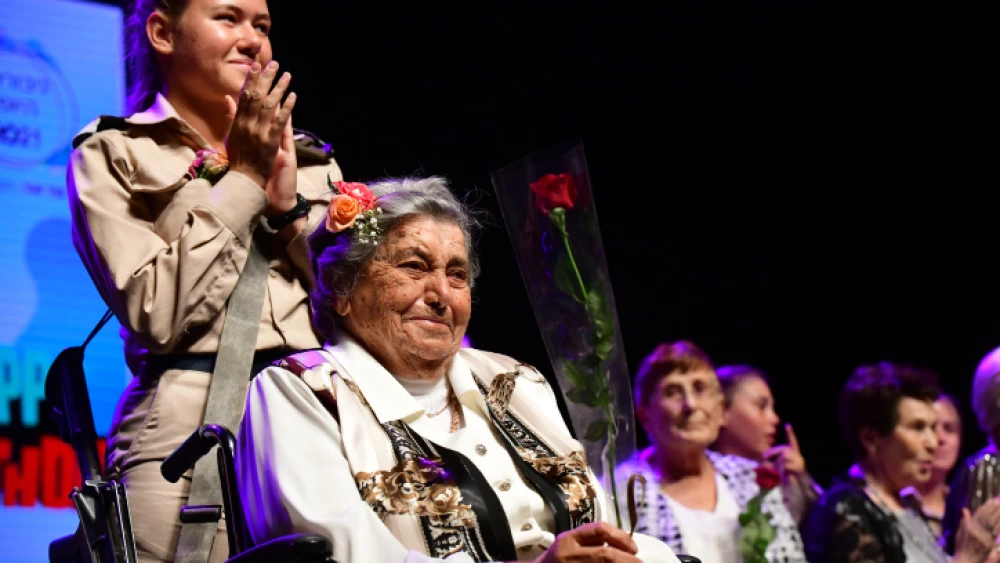
That day is not so far off, since the youngest survivors are currently 77 years old. It won’t be long before there is no one to provide first-hand testimony about the horrors of the Holocaust. On this International Holocaust Remembrance Day, the voices of the remaining survivors need to be heard, now more than ever.
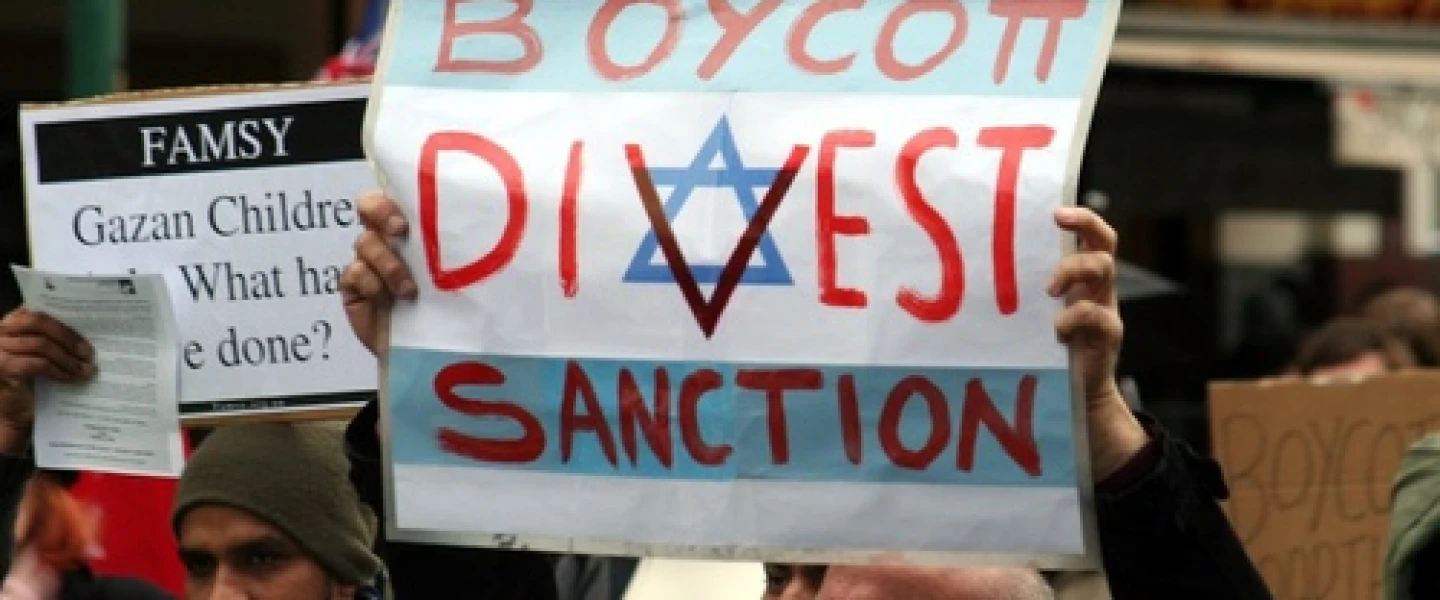
In this particular context, social-media platforms function as a double-edged sword. On the one hand, they represent a formidable challenge, as they enable and even facilitate the spread of Holocaust distortion and anti-Semitism, disguised in some cases as political critique. It’s a threat that mustn’t be underestimated.
However, these same platforms also offer an opportunity to widely disseminate the history of the Holocaust, the stories of survivors and the lessons learned. Facebook, Instagram, TikTok and other media tech giants have a moral obligation to provide a medium through which the real story of the Holocaust may be told.
It is this understanding of the necessity to disseminate the truth about the Nazi genocide of the Jews that spurred Israel’s Foreign Ministry to initiate “My Story is Your Story.” It is also the reason that the World Zionist Organization’s Department for Israel and Holocaust Commemoration has launched a project called “6MFollowers.” Both initiatives attempt to reach young people and engage them with the history and lessons of the Holocaust through the personal stories of survivors.
In the very narrow window of time that we still have, it is crucial for us to teach future generations—with the help of the remaining survivors—the lessons of the survivors’ perseverance, resilience, optimism and superhuman return to everyday life after the horrors of the Holocaust. They can and should inspire us, as well as our future generations. What better way to embrace those survivors who are still with us?
Tova Dorfman is Deputy Chair of the World Zionist Organization and chair of the Department for Israel and Holocaust Commemoration.