U.S. Foreign Policy

The U.S. president also welcomed a new $20 billion deal that Qatar Airways Group signed with Boeing to create jobs.
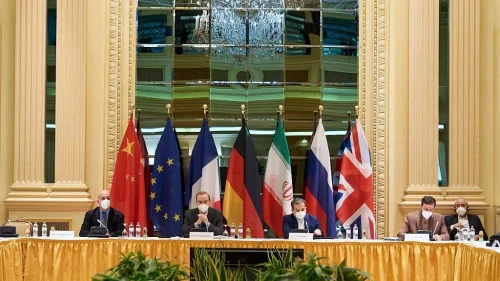
Negotiations on the release of several American hostages held by Tehran continue on a separate track, and “it’s hard to imagine a return to the JCPOA without the release of those hostages.”

Due to the sensitivity of the issue and Israel’s good working relationship with the two countries, officials are treading carefully to avoid appearance that they’re taking sides.

Through the recent engine tests and the launch of satellites at the end of December—in the midst of nuclear negotiations—Tehran has made it clear that it does not intend to compromise on the issue of missile development.

U.S. forces have also been put on heightened alert; White House warns Russia of “massive consequences and severe economic costs.”
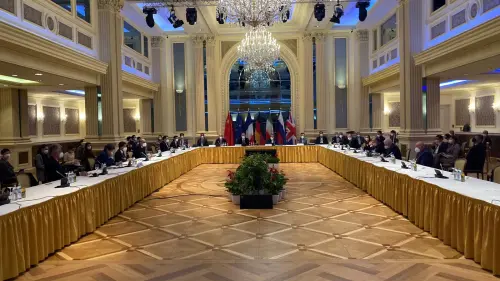
The lack of progress “jeopardizes the chance of finding a solution” acceptable to all sides, says Jean-Yves le Drian.
“There is a sense of urgency in all delegations,” says European Union envoy Enrique Mora.
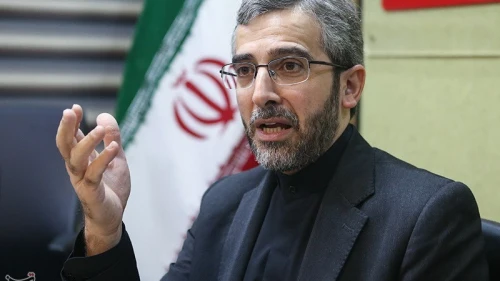
Iran’s main focus in the fresh talks will be lifting sanctions on oil exports, says the Iranian foreign minister.
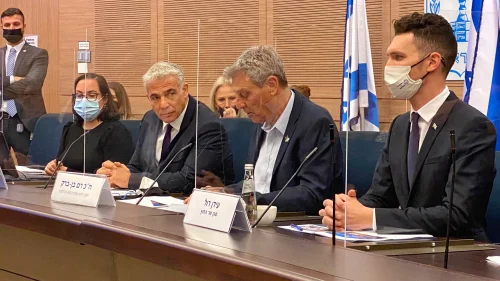
Israel doesn’t oppose all deals with Tehran, “only one that has no possibility of genuine oversight,” says Foreign Minister Yair Lapid.
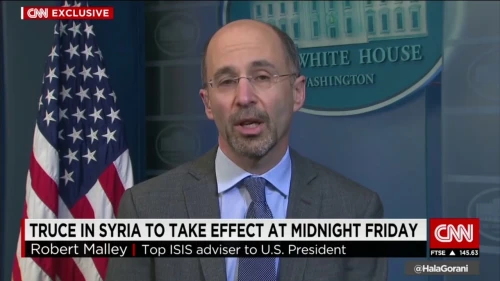
“At some point in the not-so-distant future, we will have to conclude that the JCPOA is no more,” says U.S. Special Envoy for Iran Robert Malley.
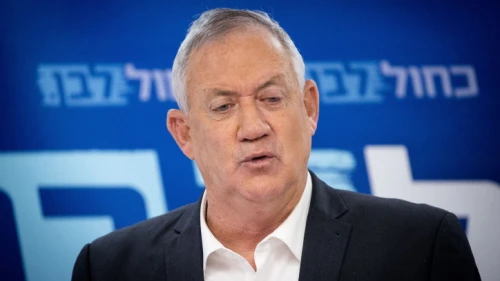
It is both possible and necessary to put an end to Iran’s “foot-dragging strategy,” Benny Gantz tells the Knesset Foreign Affairs and Defense Committee.

Carice Witte, founder and executive director at SIGNAL, adds: “Considering America’s growing concerns about technology and critical infrastructure, contrasted with Jerusalem’s need to carry out massive infrastructure projects over the next decade, now may be the time for Israel to develop a strategy for managing relations with Beijing.”