U.S.-Israel Relations
News about governmental relations between Israel and the United States

The hearing focused on the nearly six-year-old Taylor Force Act, which blocks the United States from funding the Palestinian Authority unless it stops paying terrorists and their families.

Many are hailing Israel’s admission as historic, while critics say that Washington’s strict requirements could compromise Israeli security.

“This decision shows the strong ties between the two countries,” said acting U.S. Ambassador to Jerusalem Stephanie Hallett.

The final decision rests with the secretary of homeland security, who is expected to announce Israel’s admission on Sept. 28.

The leftist anti-Zionist group Jewish Voice for Peace was among those who organized the event.
It appears Netanyahu changed his mind to support the idea as Iran approached the nuclear threshold.
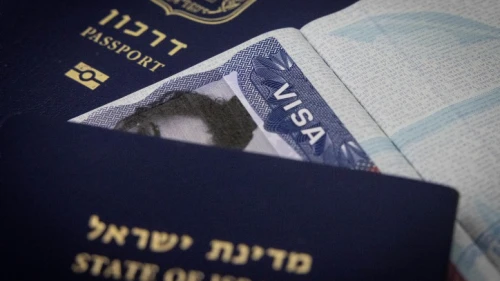
“Within a few weeks, Israelis will be able to visit the United States without having to wait a long time for a visa from the American Embassy,” said Foreign Minister Eli Cohen.

Israeli Prime Minister Benjamin Netanyahu had said at the United Nations General Assembly that Palestinians should not hot a veto over Israeli-Saudi normalization.

For average Israelis who want to travel to the United States, it will put an end to tedious and expensive visa applications.

Three experts will speak on the law to end the Palestinian Authority’s “pay for slay” policy that rewards terrorists.

WATCH: JNS CEO/Jerusalem Bureau Chief Alex Traiman and Senior Contributing Editor Caroline Glick offer a complete rundown and in-depth analysis of the multiple storylines taking place simultaneously as Israeli Prime Minister Benjamin Netanyahu holds a series of diplomatic meetings in the United States during the U.N. General Assembly.

The counter-protest is being held while anti-government activists hound Netanyahu during his U.S. trip.