
The deployment of the Lebanese Army in Southern Lebanon is at the heart of politics and the center of the contacts held by the U.S. administration in the Land of the Cedars.
This issue is enmeshed with conflicting reports about the ongoing hesitation of the Lebanese government to first enforce the disarmament of the Hezbollah Shi’ite militia, while dismantling it under the implementation of UN Security Council Resolution 1701 (2006).
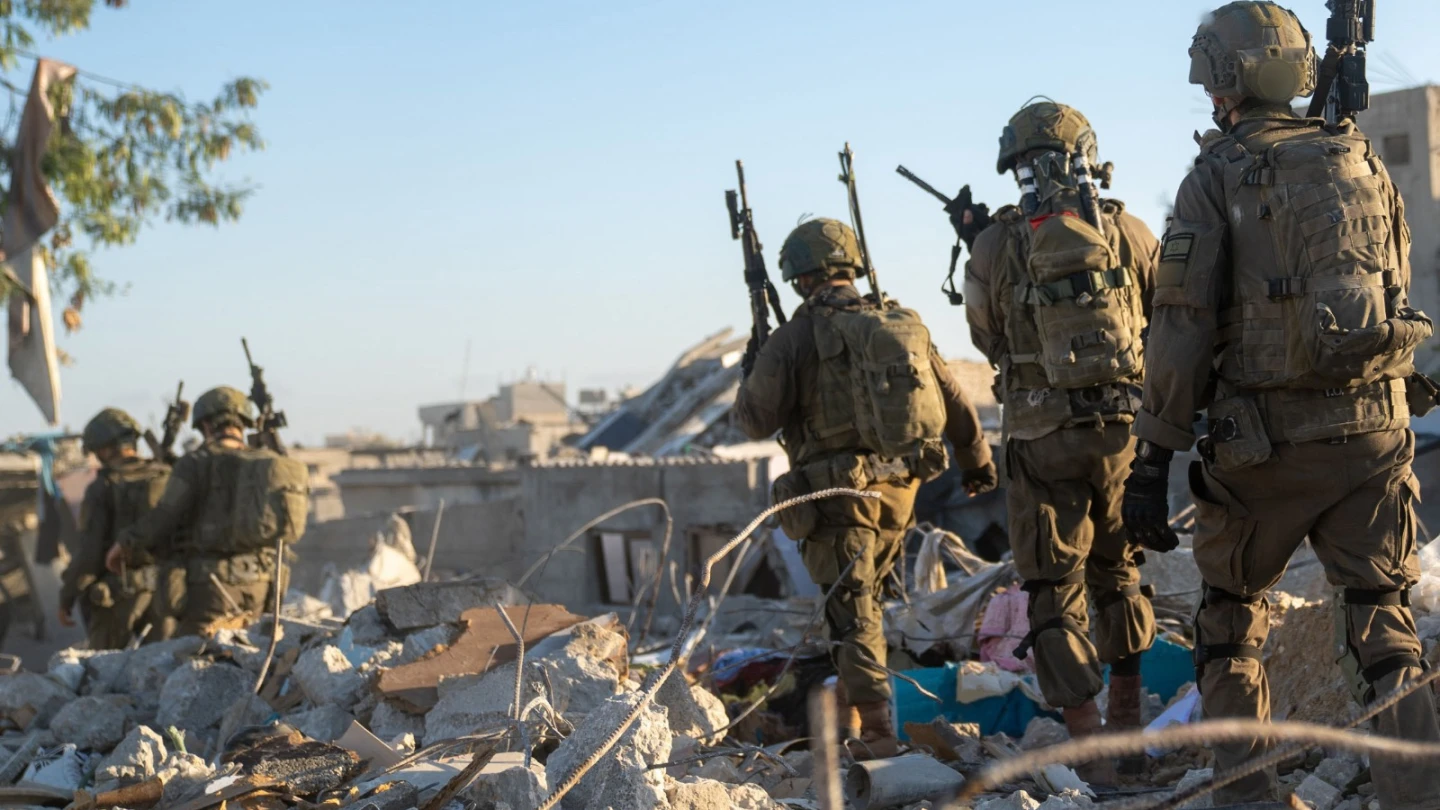
Reports praise the merits of the Lebanese Army’s actions in taking over 196 Hezbollah strongholds out of 260 south of the Litani River while seizing an undisclosed number of weapons depots in Southern Lebanon belonging to the militia, and its ongoing activity in removing Hezbollah’s fortified positions in the south.
However, other reports still point to the fact that the Lebanese Army has deployed barely 6,000 soldiers in Southern Lebanon and is still missing at least another 4,000 to complete its deployment.
Moreover, reports have shown blatant cooperation between Shi’ite intelligence officers belonging to the Lebanese Army’s southern command and Hezbollah elements.
It is also worth mentioning that at least 50-60% of the deployed soldiers belong to the Shi’ite community and maintain family/tribal bonds with Shi’ite residents in the south who identify with Hezbollah.
However, the most critical issue remains that the Lebanese government has not, as requested, presented to U.S. Envoy Morgan Ortagus a precise schedule of the deployment of the Lebanese Army to the south and the timing of Hezbollah’s dissolution.
Even the issue of the disarmament of the armed Palestinian factions in Lebanon, including Hamas, which was supposed to be taken care of before the dismantling of Hezbollah, has not been addressed by the Lebanese government, to the disappointment of the American administration.
As usual, the Lebanese government stressed the intricacies of Lebanese sectarian politics that prevent it from adopting a stricter attitude toward Hezbollah, and emphasized how easy it would be to slide into renewed civil war, a possibility that would be disastrous for all.
The Lebanese also told their American visitors that the precarious situation on the northeastern border with Syria has compelled the army to direct to that front troops meant for deployment in the south.
Instead, the Lebanese preferred to show 18 new reforms addressing the financial sector and to claim that a complete Israeli withdrawal from Southern Lebanon would assert Beirut’s position vis-à-vis Hezbollah and make it easier to adopt an aggressive policy against the Shi’ite group.
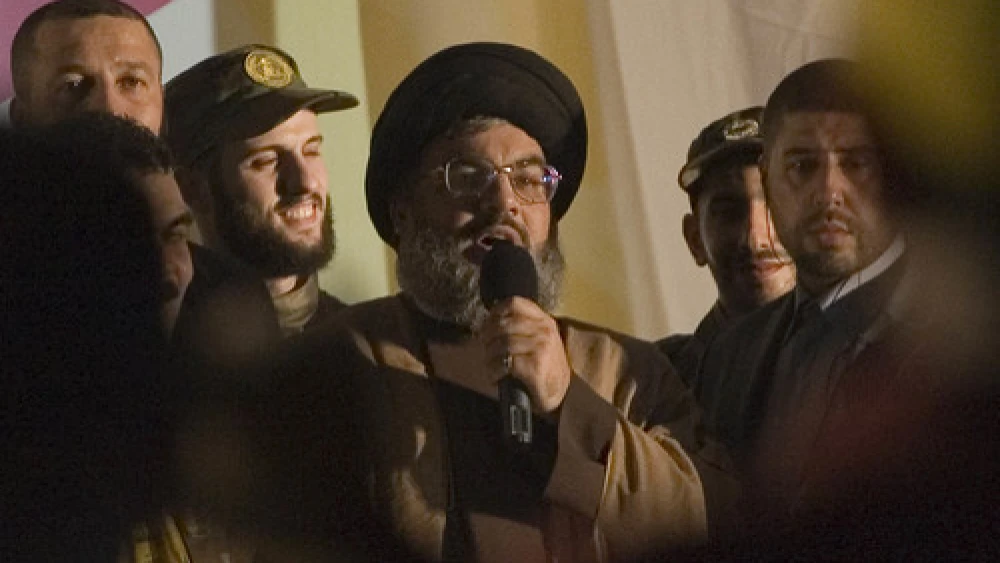
In the meantime, Hezbollah has expressed readiness (according to Reuters quoting an undisclosed senior Hezbollah official) to discuss its disarmament, conditioned first by Israel’s withdrawal from five strategic positions it maintains along the Lebanese-Israeli border.
In the meantime, the terrorist organization continues to flex its muscles, reorganize in Southern Lebanon, and prepare itself for a resumption of hostilities with Israel.
Originally published by the Jerusalem Center for Security and Foreign Affairs.