Archaeology
News and features about archaeological finds linking stories from the Torah and Prophets, or other historical events to the State of Israel
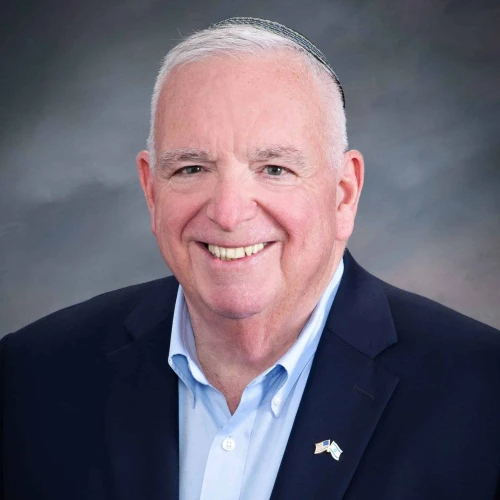
“It’s too soon to know whether he just had a brief moment or the beginning of a longer moment,” the curator and scholar Ori Soltes told JNS.

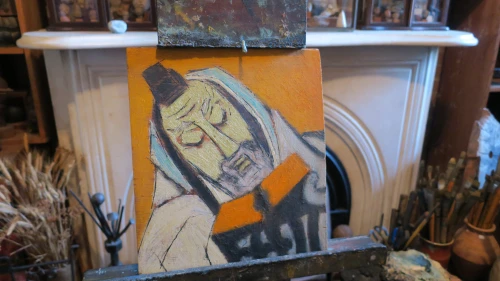
“We aim to expand people’s concept of what it means to be Jewish in America,” says Kenneth Hoffman, the museum’s executive director.

“There is no more appropriate time to reveal this find to the public than in these very days of celebrating our identity as a nation,” said IAA Director Eli Escusido.

Tel Shiqmona, on the Haifa coast, was one of the important centers for the manufacture of the rare and prestigious purple pigment.

“The mural must live because it was vandalized, and so it will live, and everything related to memory and what I have personally experienced must live,” said 93-year-old Holocaust Survivor, the subject of the piece.

Ziv Nitzan was walking on Tel Azekah near Beit Shemesh when she picked up a stone that turned out to be an ancient scarab seal from the Middle Bronze Age.

“There has never been a dispute that the Cassirer family was the rightful owner,” insist lawyers for the family, whose matriarch surrendered the painting to escape Nazi Germany.

“The depiction of camels on the vessel highlights the importance of the animal, which was a central means of land transportation around 1,200 years ago.”
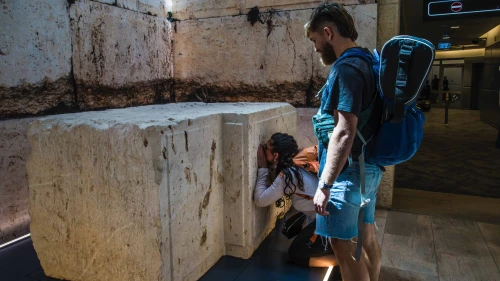
The Israel Antiquities Authority is pushing back against the country’s chief rabbis’ objections to the display at the airport of a 2000-year old, 5-ton stone from Judaism’s holiest site.

“The discoveries are exciting and even emotional,” says Israel Antiquities Authority director Eli Escusido.

The fast-growing city in central Israel has just opened its first hotel in a bid to attract business and leisure tourism.

Clay Barr began her collection of Torah “hands,” which spans two and a half centuries, to memorialize her husband 30 years ago.