Campus Antisemitism

A user by the name of Stewart Meadows, also listed as a “senior member,” started the photo thread in June 2018 and has since uploaded at least 175 photos of Yeshiva University students and staff.

They said that a university-related academic program should not be allowed to use its departmental logo and name “to disseminate politically motivated and hate-filled messages.”

“Our Israel activists are more emboldened and outspoken than ever. People understand they are on the right side of history and the truth. They will not be intimidated,” said Aviva Rosenschein, international campus director for CAMERA, which recently hosted students from over 80 universities to respond to the upsurge in campus anti-Semitism and anti-Israel activism.
While the images are “obviously disturbing,” according to the university, there is currently “no direct threat” to campus safety.
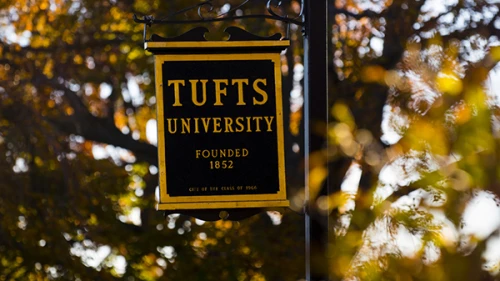
The class, which received criticism when it was offered last year, will be taught by Thomas Abowd, who has an extensive history of engaging in anti-Israel and anti-Semitic causes.
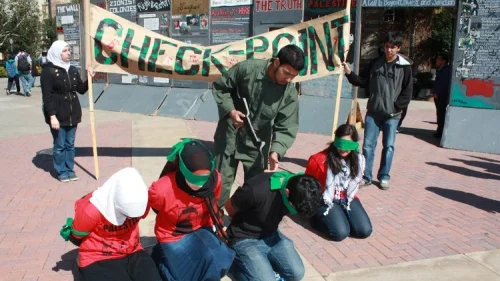
A four-day event in Boston aims to teach students how to push back against anti-Semitic and anti-Israel forces on campus.

Still, in the fight for civil rights, he emphasizes not to be overly alarmist, even on college campuses, where more opportunities are available to Jewish students than ever before.

San Francisco State professor Rabab Abdulhadi has an anti-Israel history that includes calling the presence of pro-Israel students on campus a “declaration of war” against Arabs and Muslims.

The messages range from veiled language to explicitly racist images and words that attack minority groups, including Jews, blacks, Muslims, non-white immigrants and the LGBTQ community.

Enrollment from China in Israeli universities has skyrocketed, with thousands of students currently studying in the Jewish state.

A new project brings together veterans of the Israel Defense Forces and the U.S. military with Jewish students to stand up against hatred.

“However, it is irresponsible, immoral and unproductive for taxpayer dollars to fund overtly biased advocacy under the guise of academic discourse,” wrote U.S. Rep. George Holding.