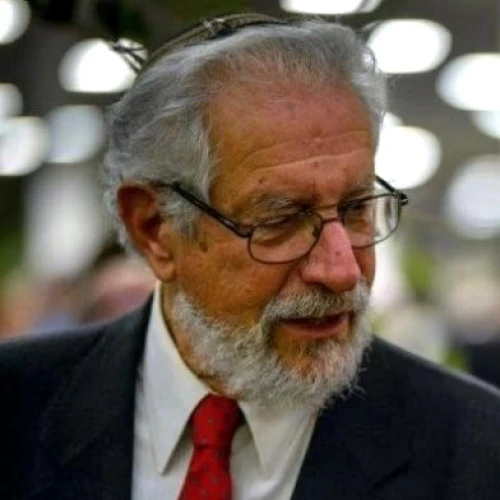
Palestinian Authority Prime Minister Mohammad Shtayyeh decried “blackmail” by the Trump administration’s actions to pressure the Palestinians into accepting the upcoming Mideast peace proposal to end the Israeli-Palestinian conflict.
“We are in a collapsing situation,” Shtayyeh told The New York Times in what was one of his first interviews with a Western media outlet, published on Wednesday.
“It’s a very hot summer. At every level,” he added. “I hope we will not reach that point.”
The Trump administration in 2018 cut off taxpayer assistance to the Palestinian Authority for rewarding terrorists and their families, in addition to ending U.S. security assistance to the P.A. and ceasing the U.S. Agency for International Development’s operations in the West Bank and Gaza earlier this year.
Additionally, in October, the United States closed the Palestine Liberation Organization Diplomatic Mission in Washington, D.C.
Finally, the U.S. Embassy in Israel and U.S. Consulate General, both in Jerusalem, officially merged in March. The consulate covered Palestinian affairs, which have now been included in operations into the embassy.
Shtayyeh’s remarks came as the Trump administration is scheduled to release the first component of its highly anticipated peace plan with an economic workshop in Bahrain. The Palestinians rejected an invitation by the United States to attend.
“These same people are the ones who have been working on the drying up of the financial resources of the Palestinian Authority,” Shtayyeh told the Times.
“We hope that Arabs don’t go,” added Shtayyeh. “Now, we know also that there are countries who are under serious pressure. Some can afford the pressure, and some cannot afford the pressure.”
When the rest of the peace plan will be released is yet to be determined, a Trump administration official told JNS last week.
The second part is expected to deal with the political issues surrounding the conflict, including geographic boundaries.
“We know the political agenda,” said Shtayyeh. “They are saying no to refugees. They are saying no to Jerusalem. They are saying no to two states. They are not respecting ’67 borders. And if this economic track is part of the overall package, what are we accepting? If we are there, people will use our presence there to capitalize on that.”
“We are not rejectionist,” he added. “Our problem is that we know. There are so many people who are blind, but we know—we know where they are taking us. I will tell you, this American design of this blackmail strategy, it will never yield. There are people who think, in Washington, unfortunately, that Palestinians have to be defeated, so they surrender, so they accept.”