Newsletter
Newsletter Support JNS

Israel to extradite Russian hacker to US, ending hopes of prisoner exchange

Family of American-Israeli woman serving a more than seven-year sentence in Russia for drug-trafficking calls decision “immoral and inhumane” • Israeli justice minister: Extradition order was signed “after many in-depth deliberations.”

Family, friends and supporters protest as they calling for the release of Naama Issachar, an Israeli woman imprisoned in Russia for drug offenses, at Habima Square in Tel Aviv on Oct. 19, 2019. Photo by Tomer Neuberg/Flash90.

Israeli Justice Minister Amir Ohana on Wednesday signed the extradition order of Russian hacker Aleksey Burkov, who is wanted in the United States on suspicion of cyber crimes.

Burkov’s extradition ends hopes of a prisoner exchange with Russia whereby Russia would release American-Israel Naama Issachar, 26, who has been imprisoned in Russia since earlier this year for drug-related offenses.

The extradition order was signed “after many in-depth deliberations in recent weeks, with various parties, among them political and legal figures,” said Ohana in a statement.

Lawyers for Issachar’s family met with the justice minister earlier this month to argue against going through with the extradition, saying the move would be a severe blow to their daughter, who was sentenced by a Russian court earlier this month to seven-and-a-half years in prison after nearly 10 grams of cannabis was found in her carry-on bag during a stopover in Moscow.
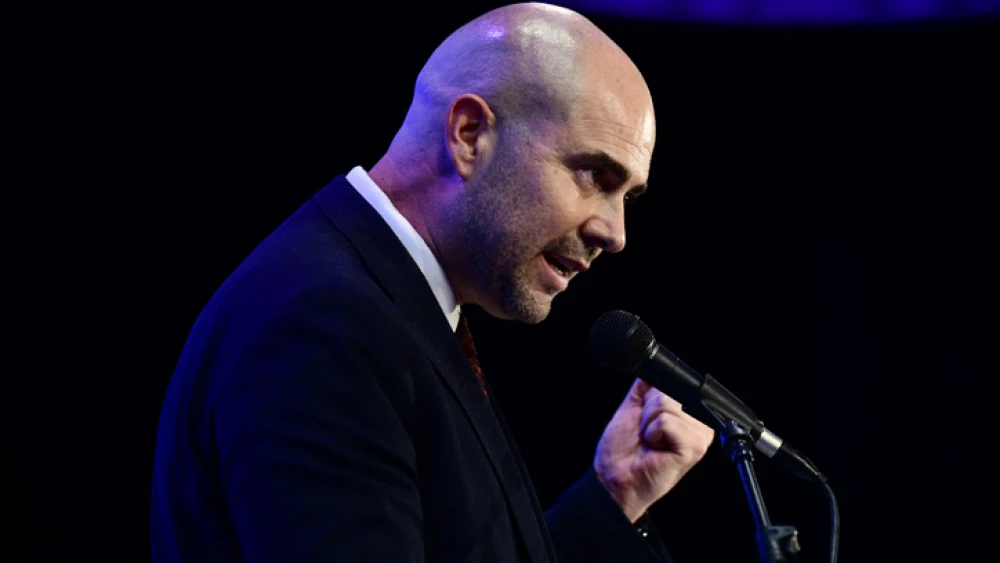
Israeli Justice Minister Amir Ohana speaks at a conference near Tel Aviv on Sept. 3, 2019. Photo by Tomer Neuberg/Flash90.

According to reports in the U.S. and Israeli media, the harsh sentence may have been intended as retaliation for Israel’s refusal to release Burkov into Russian custody.

Issachar’s family called the extradition order “immoral and inhumane,” and contradicted promises from Ohana that he would do everything in his power to free Issachar, who many Israelis believe is being used as a political bargaining chip by Russia.

Israeli Prime Minister Benjamin Netanyahu has submitted a formal pardon request for Issachar to Russian President Vladimir Putin.

“I suggest not creating a very dangerous precedent here, that each time there is a country that wants to have someone extradited, it captures an Israeli and makes a scapegoat of them,” Ohana told Kan public radio in an interview earlier this month.

The two heads of towns on the Lebanese border oppose relocation as residents receive short “reprieve” hotel stays instead.

“The expansion of our emergency services will help us better care for patients with the most serious injuries, ensuring they receive the specialized treatment they need, when it matters most,” the hospital said.
“Once again your decisive leadership brought another great victory to America,” the Israeli leader says.
“My intent was to honor our Jewish neighbors and friends,” Nathalie Kanani stated. “We are all human, and even with the best intentions, honest mistakes can happen.”
The man was recognized by police officers while attending a court hearing of the three other suspects connected to the case.
The U.S. president warned that the U.S. military will begin targeting Iranian power plants and bridges on Tuesday if the Strait of Hormuz is not opened.