Israeli Finance Minister Israel Katz and Economy and Industry Minister Amir Peretz have agreed on a plan to bolster investment and employment in Israel’s industrial sector, which is suffering due to the economic fallout from the coronavirus crisis.
The two ministries worked with the Israel Manufacturers Association to hammer out the plan, which pending Cabinet approval will provide the industrial and high-tech sectors with NIS 1.1 billion [$323 million] in aid.
The plan includes funds earmarked to boost investment, research and development, and innovation. It also gives priority to factories hurt by the pandemic but that managed to retain most of their employees, provides funds to develop new industrial areas and allocates funds to encourage new hires by cooperating with employers on the training process.
The ministries plan to work together to create a bureaucracy-free process that will allow factories that meet the criteria to receive money with a minimum of red tape.
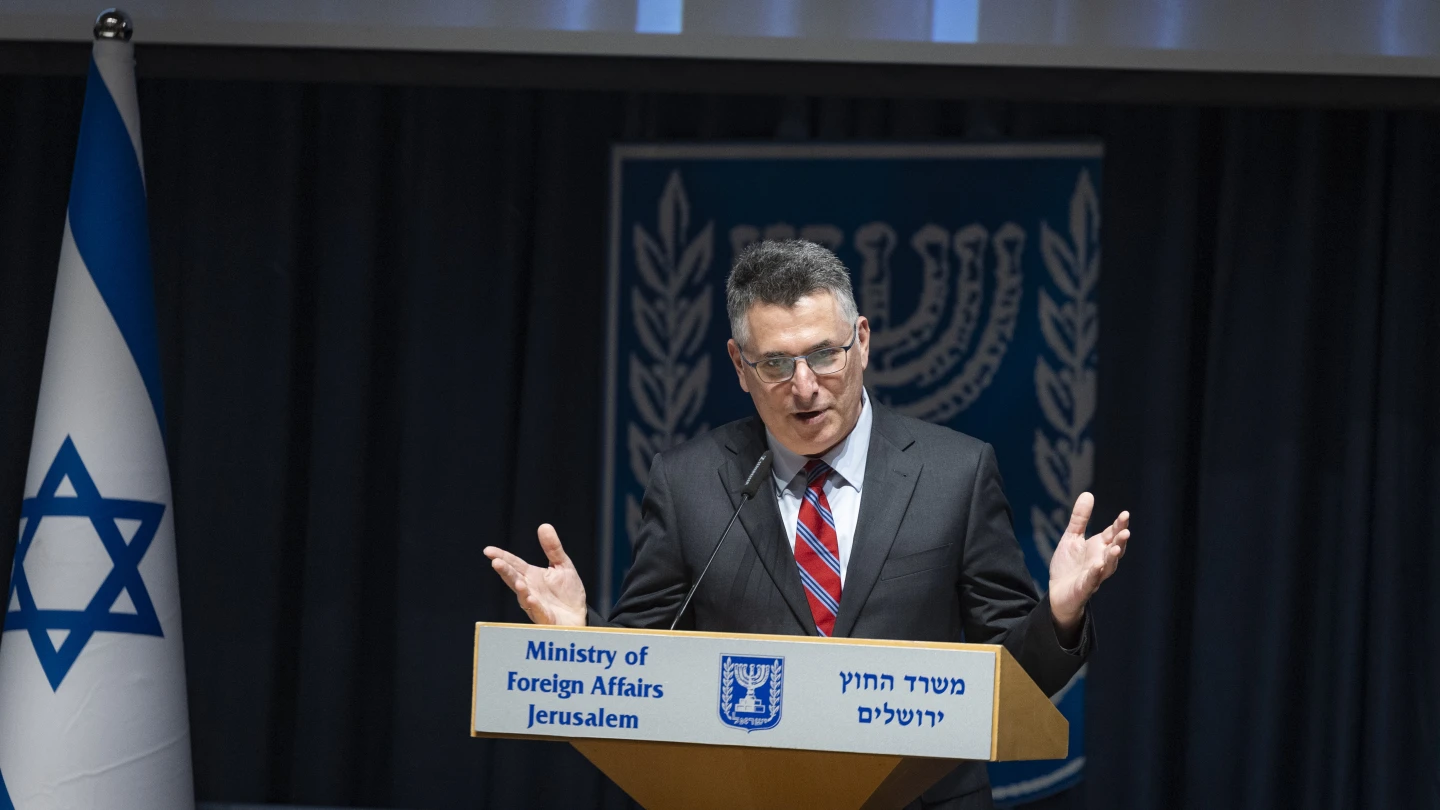
Katz said “as part of the stimulation plan, we have agreed on a plan to help the industrial sector that combines encouraging investment with increasing employment, which are vital to strengthening the economy at this time. In doing so, we are ensuring that along with the financial aid to salaried workers, the self-employed and business owners, we will also develop investment and employment in the various industrial sectors.”
Peretz added: “The plan to encourage investment is huge news for employers and workers who were hurt by the coronavirus crisis. The plan will first of all compensate the fair employers who opted to keep their workers on, despite a drop in their business revenue.”
This article first appeared in Israel Hayom.