Newsletter
Newsletter Support JNS

US policy of labeling West Bank products as ‘Made in Israel’ takes effect

A three-month transition period is in place for manufacturers to comply with the new guidelines.

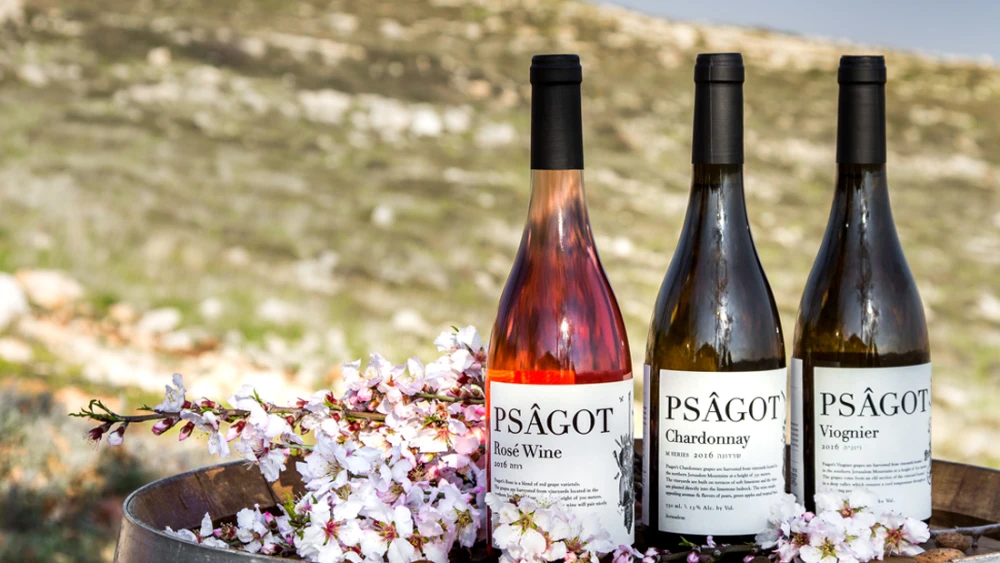
A display from Israel's Psagot Winery, which was at the center of a European court ruling on labeling of Israeli products from beyond the pre-1967 Green Line. Credit: Psagot Winery.
A display from Israel’s Psagot Winery, which was at the center of a European court ruling on labeling of Israeli products from beyond the pre-1967 Green Line. Credit: Psagot Winery.

The U.S. policy of requiring products made in Israeli settlements in the West Bank as “Made in Israel” took effect last week, according to U.S. Customs and Border Protection.

CBP published a notice in The Federal Register, the daily journal of the U.S. government, on Dec. 23.

The notice allows for a three-month transition period (until March 23) for manufacturers to comply with the new guidelines, which were issued by the U.S. State Department last month, requiring products manufactured in Israeli-controlled settlements in the West Bank to be labeled as “Israel,” “Product of Israel” or “Made in Israel” when exported to the United States.

Products made in Palestinian Authority-controlled areas of the West Bank will be marked as products of “West Bank,” and goods produced in Gaza will be marked as products of “Gaza.” This rejects the “West Bank/Gaza” label that had been allowed since 1997.

“We now have full cooperation with Israel, and hopefully they will encourage Jewish or Israeli investment in Somaliland,” the president of the breakaway republic told reporters.
The Israeli president praises the organization’s sacred work of recovering the dead and urges volunteers not to carry the emotional burden alone.
Israeli Defense Minister Israel Katz said that the warning comes on the back of “various intelligence reports.”
Shukrun’s eldest son, Yoav, who was with him during the fatal attack, recounted how his father saved his life, urging him to run.