Middle East

The agreement, the first of its kind between Israel and an Arab country, must now be signed and ratified by both countries.
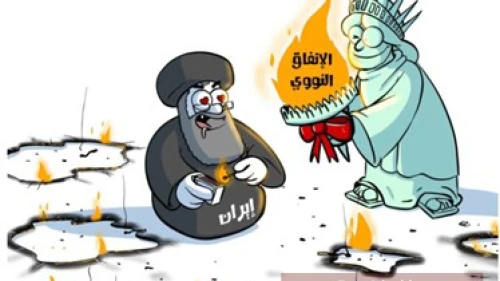
The Biden administration’s Iran policy is the clearest example of U.S. “political absurdity,” writes a Saudi journalist.
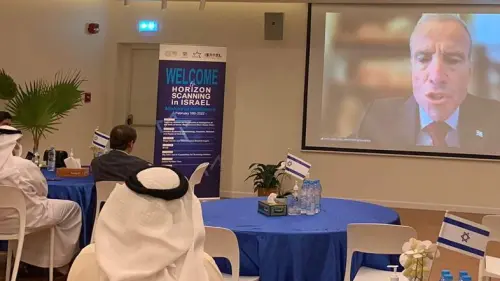
“It is our duty to build on them and widen the circle of peace—regionally and globally—through these meetings of the Abrahamic faiths to send a clear message of reconciliation, acceptance and inclusion,” said Israeli Minister of Intelligence Elazar Stern.
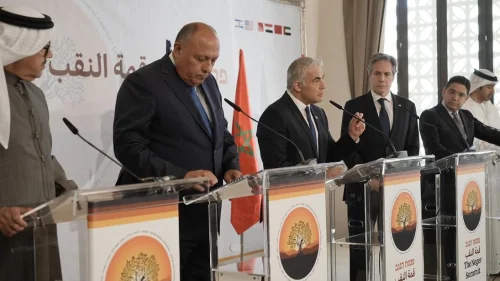
“There is much work to do to bring the region together—to pull the countries that are present today closer together,” said Eitan Na’eh, Israel’s ambassador to Bahrain.

One gallon of cooking oil in Lebanon costs the same as the monthly minimum wage, around $29.
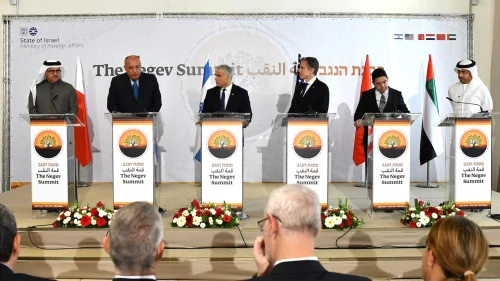
Maj. Gen. (res.) Eitan Dangot, Israel’s former Coordinator of Government Activities in the Territories, tells JNS that the summit is a “direct continuation” of dynamics sparked by the rise of Iranian threats to regional security.

The six foreign ministers announced that this first-of-a-kind meeting would become a regular event.
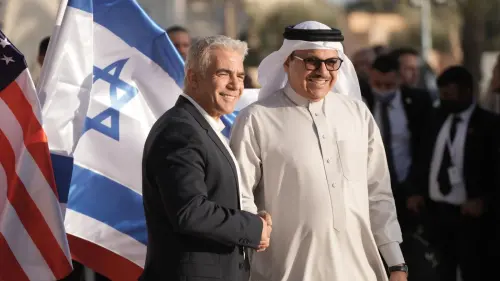
The fact that Arab leaders are meeting at a kibbutz in the Negev is “an Israeli dream come true. Even 10-15 years ago, it would have been considered prophetic,” said Hillel Frisch, of the Jerusalem Institute for Strategy and Security.

The main topic of discussion will be Iranian aggression in the region.
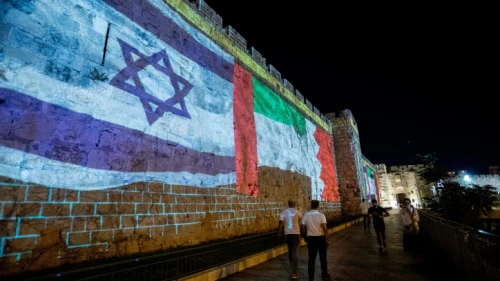
Six foreign ministers to discuss the common Iranian threat to the region and energy issues against the backdrop of the Negev desert • Bennett: “This is a festive day.”

The three Arab countries scheduled to attend were all part of the Abraham Accords signed in the fall of 2020.

A U.S. State Department official said the secretary of state expects to cover the war in Ukraine, Iran, the Abraham Accords, preserving the prospects for a two-state solution to the Israeli-Palestinian conflict and building support for the U.N.’s engagement in Western Sahara.