The Palestinians have believed for decades that time was on their side—that they would eventually defeat the State of Israel and drive the Jews out of the Holy Land. Yet with each passing day, Palestinian leverage diminishes, to the point that a sovereign Palestinian state now seems barely a remote possibility.
As Israel gains economic strength, greater diplomatic ties and global influence—U.S. News & World Report just named it the world’s eighth most influential nation—the Palestinians sink further into hopelessness and economic depression. This is only hastened by its incompetent feuding dictatorships: Fatah in Judea and Samaria (the West Bank) and Hamas in Gaza.
When the Oslo Accords were signed 25 years ago, the majority of Israelis supported plans to make peace with the Palestinians, and specifically a two-state solution. In 2000 and 2008, Israeli prime ministers, with U.S. backing, offered the Palestinians a state in about 98 percent of the West Bank and a capital in Jerusalem—all rejected by Palestinian leaders.
Today, following two Palestinian intifadas in which some 1,300 Israelis were killed and decades of other murderous terrorist acts with virtually no compromise offers by Palestinians for peace, only 34 percent of Israelis support a two-state solution.
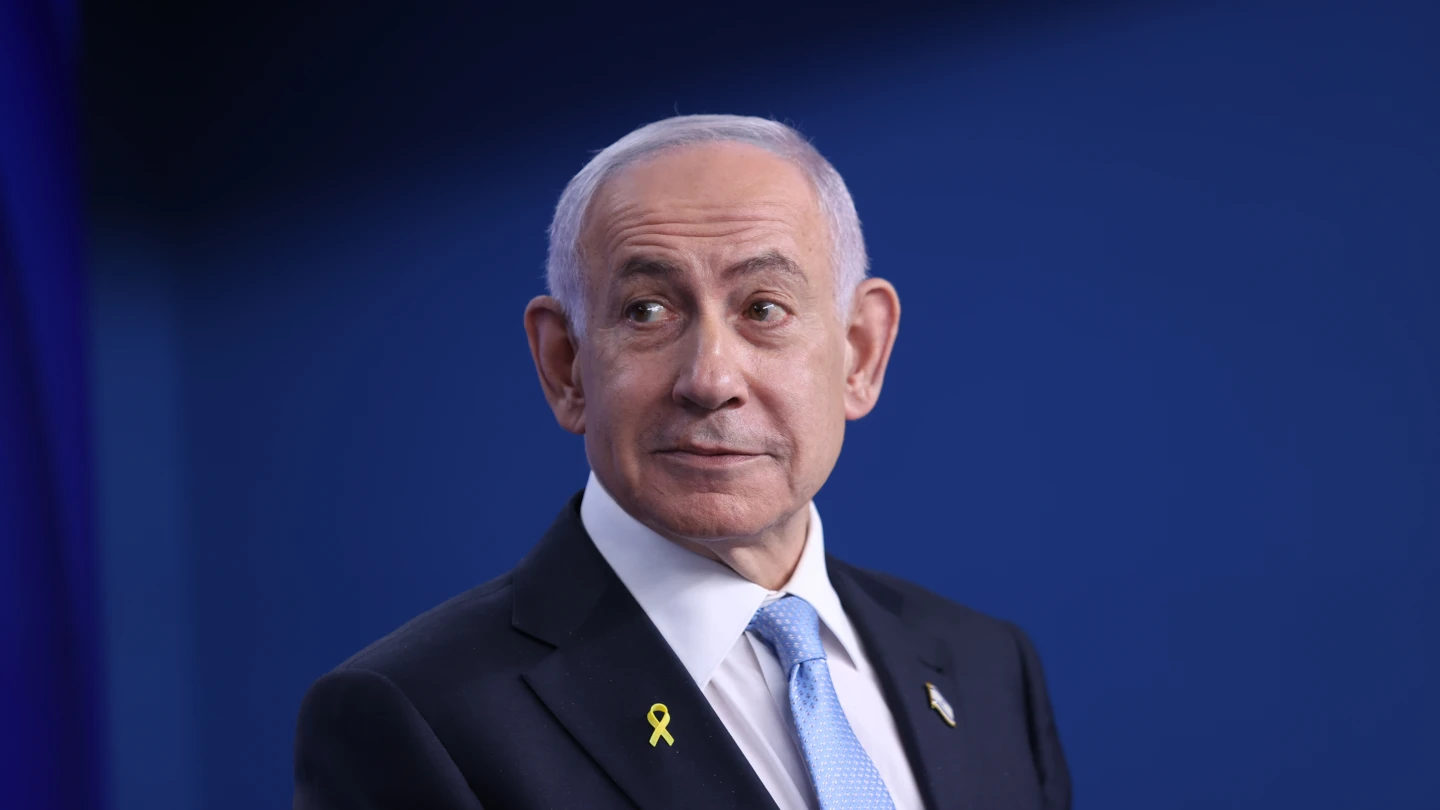
Clearly, frustration with Fatah intransigence on peace talks, plus continued missile attacks by Hamas, have driven Israelis to the right. Whereas the center-left Labor Party dominated Israeli politics for generations, Labor captured only 5 percent of the seats in Parliament in the most recent elections, while right-leaning parties, led by Israeli Prime Minister Benjamin Netanyahu’s Likud Party, took 65 percent of the seats.
Thus, the two-state solution leading to a sovereign Palestinian nation is virtually dead in Israel. Indeed, 42 percent of Israelis—a plurality—support some type of annexation of land in Judea and Samaria that is currently controlled by Israel.
In June, the long-awaited Trump administration’s Mideast peace plan is due for unveiling. No matter what its tenets, the Palestinians have already rejected it, so it’s already dead on arrival.
But the Trump plan, along with other initiatives already undertaken by the administration, plus major changes recently in the Middle East political terrain, will change the global conversation about peace with the Arabs indelibly, no matter which party wins the next U.S. election. The big losers in that conversation are the Palestinians.
Beyond the borders of the Holy Land, the greater Middle East has been rocked by two Iraq wars, the Arab Spring fiasco, the Syrian civil war, the rise and fall of Al-Qaeda and the ISIS caliphate, and the ascendency of jihadist forces Hezbollah, Hamas and nuclear-ambitious Iran.
While the United States and Israel were willing to risk a corrupt and wobbly Palestinian state in the early years of this century, that willingness has virtually disappeared in Israel, and seems increasingly scary to both the right and center of the U.S. political spectrum.
Even more important, Trump has effectively taken Israel’s sovereignty over Jerusalem off the table, has finally stopped U.S. funding of Palestinian salaries for terrorists, has stopped financial support of the Palestinian-jihad-supporting UNRWA, has pulled America out of the ultra-anti-Israel U.N. Human Rights Council and blessed Israeli rule over the Golan Heights.
These initiatives alone would suffice to move markers unalterably down the field, even if some of them are upended or modified by a future administration.
But now, a Trump peace plan will inevitably contain eminently reasonable offers of an improved political and economic living situation for the Palestinians. Their inevitable rejection will again expose their recalcitrance and make it more difficult for subsequent administrations to turn the clock back in future negotiations.
The lesson for the hapless Palestinians is clear, at least to everyone but their leaders: Every refusal of peace with Israel, every delay in reaching a compromise, every day longer they cling to the dream of expelling the Jews from “Palestine” diminishes the possibility of independence, peace and prosperity for the Palestinian people.
You can’t blame Israel for this sorry state of affairs, and you can’t blame U.S. President Donald Trump for it. History is working against the hope of a Palestinian peace, as are the Palestinians themselves.
Those who attempt to hold Israel or Netanyahu responsible for the lack of a Palestinian state need clarification that it is Palestinian choices alone that are to blame for their history.
They have, as Israeli diplomat Abba Eban once suggested, never missed an opportunity to miss an opportunity. Sadly, they’ve squandered many, many that will never come again.
James Sinkinson is president of Facts and Logic About the Middle East (FLAME), which publishes educational messages to correct lies and misperceptions about Israel and its relationship to the United States.