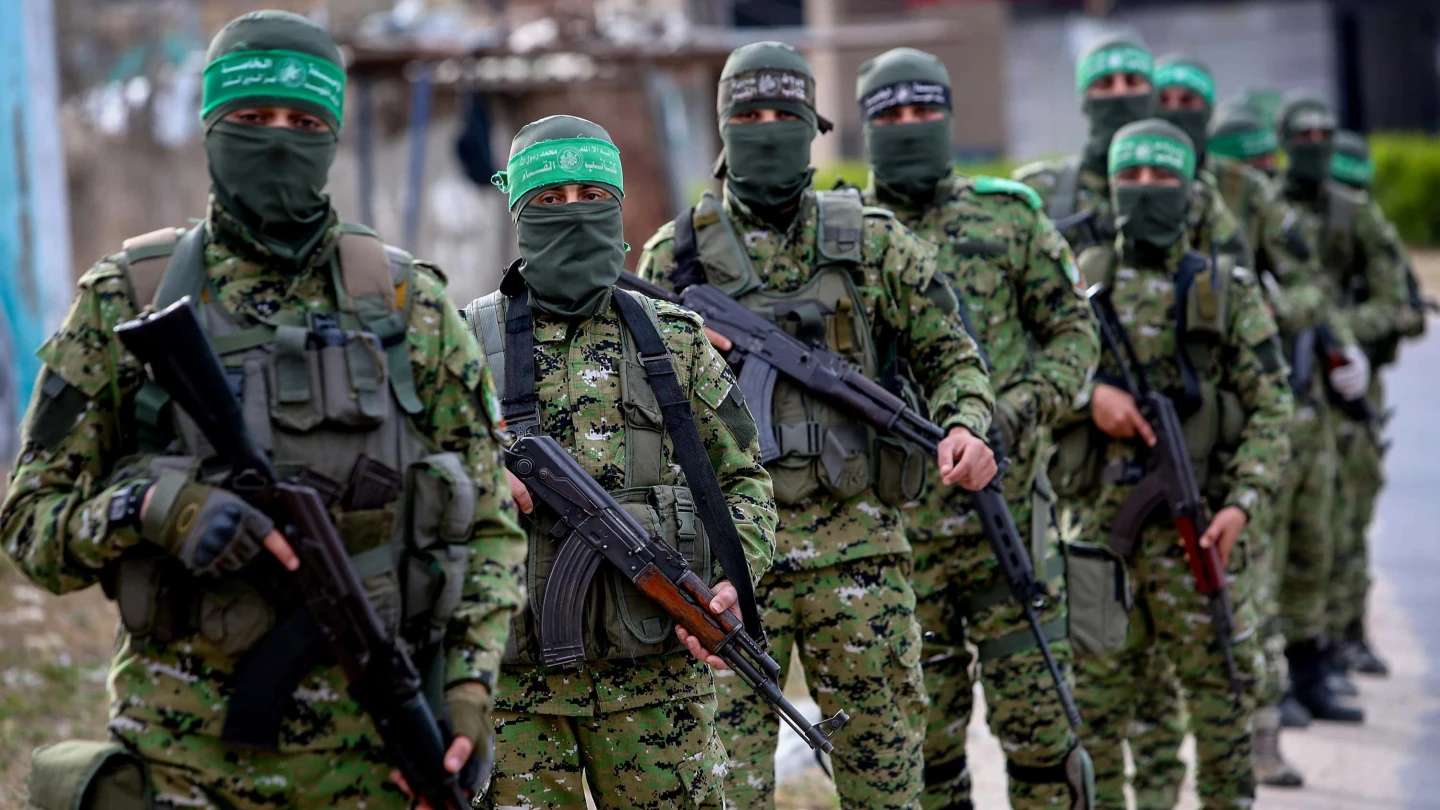
Hezbollah’s rocket fire on northern Israel last week sought to reaffirm its equation of deterrence vis-à-vis Israel, while trying to create a reality in which Israel routinely sustains sporadic rocket fire by Palestinian groups in southern Lebanon. This would allow Hezbollah, an Iranian proxy, to attack Israel while maintaining deniability and preventing wide-scale escalation in the sector.
Hezbollah is armed with over 100,000 missiles and stands at Iran’s beck and call. Iran’s efforts to ensure the Shi’ite terrorist group’s arsenal remains state-of-the-art have been only partially successful, but Hezbollah retains the ability to fire salvos at Israel in the event the Jewish state goes after Iran’s nuclear facilities.
Israel must deal with this threat before tackling the Iranian nuclear program, and therein lies the secret to Hezbollah leader Hassan Nasrallah’s perceived restraint since the terror group’s 2006 war with Israel (though the Syrian civil war also played a role).
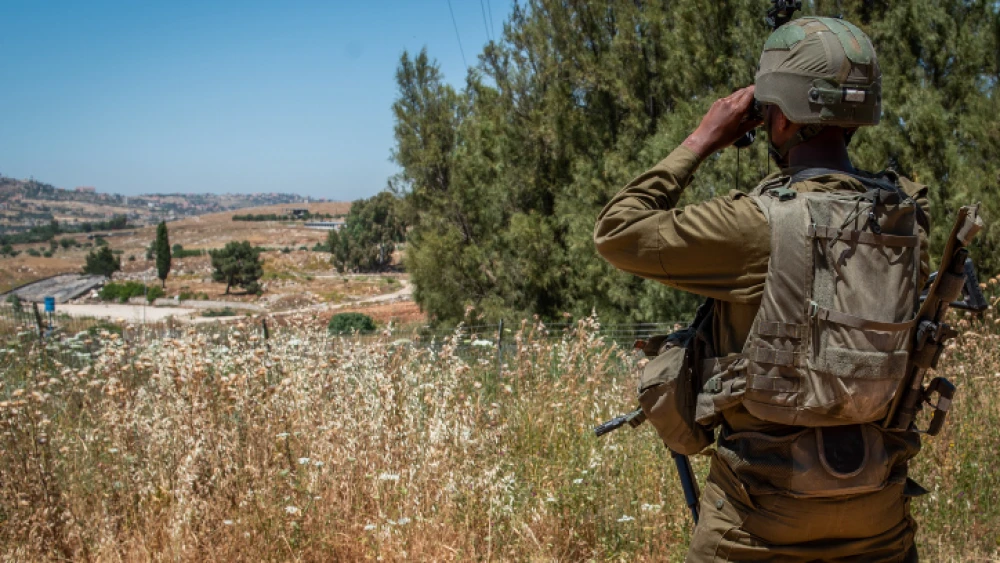
Unlike the situation Israel faces in the Gaza Strip, in the Lebanese case, an Israeli ground operation will be necessary. Furthermore, the Israel Defense Forces must prepare for a pre-emptive campaign. An incursion into our northern neighbor for the purpose of purging it of missiles requires meticulous planning, and IDF maneuvers in the north and exercises in the mountains of Cyprus indicate that preparations are underway.
However, Israel, no stranger to proactive military campaigns (1956, 1967, 1982), knows that every war requires not only military preparation but also domestic and international legitimacy. Therefore, Jerusalem must create a favorable atmosphere for proactive action in Lebanon, and as soon as possible. The fact that Lebanon is sliding into chaos, and the recent increase in missile attacks from its territory, present that opportunity.
Lebanon and Hezbollah must be closely linked to Iranian aggression in the international and Israeli public perception. The roadblocks Iran is putting up with regard to the nuclear talks in Vienna around a possible return to the 2015 nuclear deal may thus allow Israel more freedom of action.
Moreover, the moderate Arab states, especially in the Gulf, are closely watching Israel’s behavior. In the absence of determined and effective activity, our allies in the region, wary of American withdrawal and fearful of Iran, will be reluctant to rely on Israel and could later move closer to Iran.
The time when Israel will have to decide whether to act alone is approaching. The road to Natanz and Fordo probably runs through Beirut.
One can only hope that the IDF, under Chief of Staff Lt. Gen. Aviv Kochavi, has learned how to strive for victory and is pursuing the necessary action to implement its new battle doctrine.
Professor Efraim Inbar is president of the Jerusalem Institute for Strategic Studies and a Shillman-Ginsburg fellow at the Middle East Institute.
This is an edited version of an article that first appeared in Israel Hayom.