Newsletter
Newsletter Support JNS

IDF arrests Sudanese migrant for breaching Lebanon border

Israel has seen a number of infiltration attempts from Lebanon recently, especially by African migrants seeking employment.

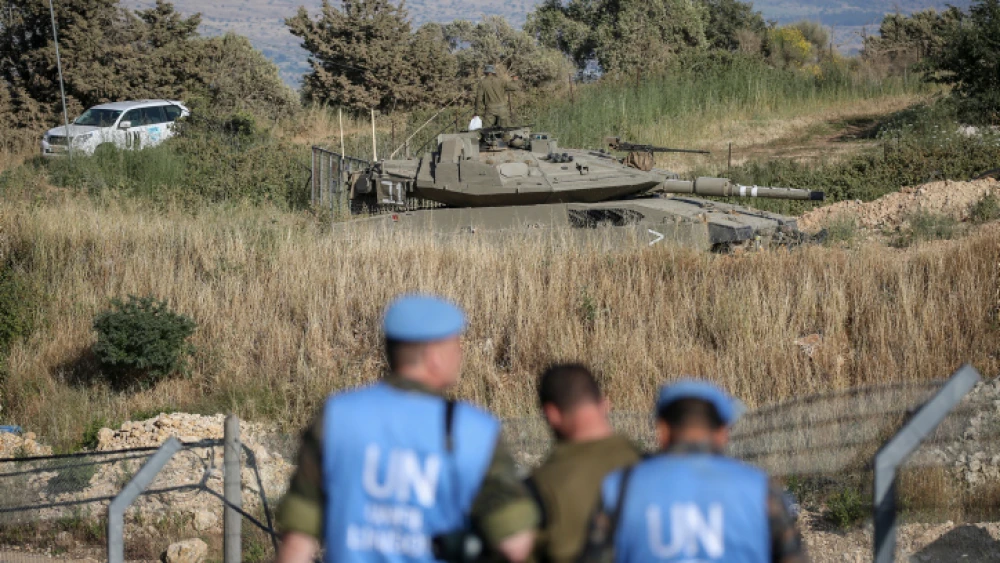
An Israeli Merkava tank takes part in routine maneuvers near the "blue line" drawn by the U.N. to mark Israel's withdrawal from southern Lebanon in 2000, June 2, 2020. Photo by David Cohen/Flash90.
An Israeli Merkava tank takes part in routine maneuvers near the “blue line” drawn by the U.N. to mark Israel’s withdrawal from southern Lebanon in 2000, June 2, 2020. Photo by David Cohen/Flash90.

Israel arrested an individual on Wednesday who managed to cross its border with Lebanon. The infiltrator, a Sudanese migrant, was detained in the northern town of Shlomi, east of Rosh Hanikra.

Recently, a number of refugees or migrant workers and Lebanese shepherds, who are known to help spy for Hezbollah, have infiltrated into Israel.

In May, Israeli soldiers arrested two Sudanese suspects who cut the border fence and crossed into Israel.

Avichay Adraee, the Israeli military’s Arabic-language spokesman, uploaded a post on Facebook earlier this month that noted the increase in the number of infiltration attempts along the Israel-Lebanon border.

In response, the Israel Defense Forces has intensified its operations along the border, according to Adraee. “We expect the Lebanese government and the international forces operating in southern Lebanon to take control and prevent these attempts because we will not tolerate them,” he wrote.

Israel maintains a vigilant watch over its northern border as Hezbollah constantly engages in surveillance and intelligence-gathering.

Tour organized by Regavim and Green Now highlights cross-border pollution threatening Israel’s waterways, groundwater and ecosystems.
“These heroes fought for us — and we will fight for them,” said coalition chairman Ofir Katz.
The Israeli military also announced the completion of a months-long operation targeting the “terrorist villages” of Bint Jbeil and Ainata.
Israeli legislators observed a minute of silence to salute one of the Jewish state’s most outspoken supporters in Congress.
The technology focuses ultrasound delivered through a device placed on the skin rather than through the urethra or rectum.
Tehran warned that it would target “all infrastructure in the region” if the U.S. military campaign intensified.