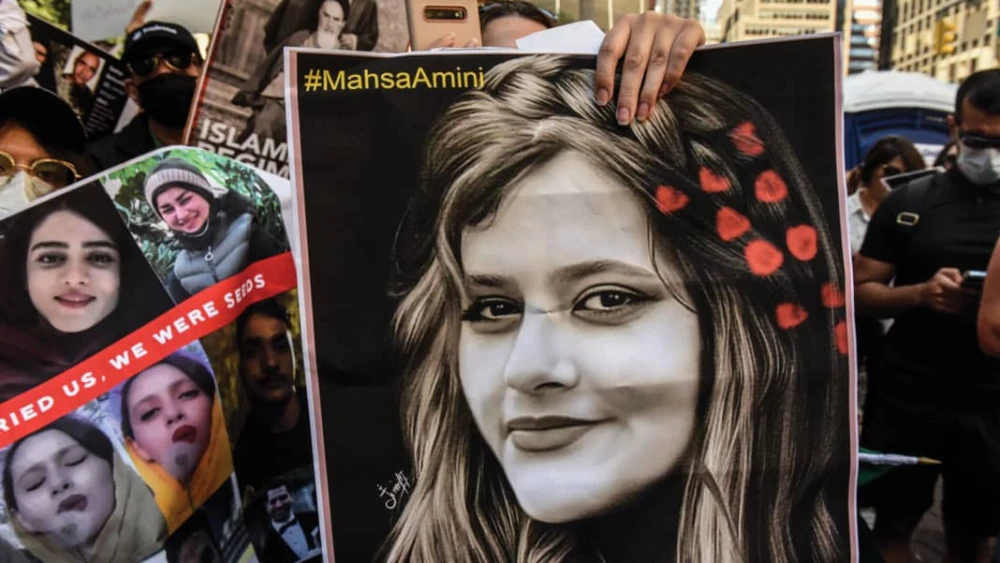
Iranian security forces increased their onslaught on Kurdish regions of the country on Thursday, adding militia troops as authorities continued their brutal suppression of nationwide protests sparked by Mahsa Amini’s death in police detention.
Basij militia members and riot police attacked demonstrators, two sources told Reuters in Sanandaj, the capital of the Kurdistan province. According to a witness, hundreds of riot police and Basij soldiers have been transferred from neighboring provinces to Kurdistan.
“A few days ago some Basij members from Sanandaj and Baneh refused to follow orders and shoot the people,” said the witness, according to the report.
“In Saqez the situation is the worst. Those Basiji forces just shoot at people, houses, even if there are no protesters,” the witness added.
A source in Sanandaj told Reuters that riot police were searching residences and arresting dozens of young people. The scene was extremely tense, with hundreds of police officers on the city’s streets.
Nearly four weeks after Amini, a 22-year-old Iranian Kurd, was imprisoned in Tehran for “inappropriate attire,” the protests continue in a bold challenge to Iran’s clerical leadership, even if the turmoil does not appear to be on the verge of toppling the regime.