Israel’s elimination of Iranian Supreme Leader Ali Khamenei was made possible by using Tehran’s traffic cameras to spy on the movements of those close to the cleric.
Israeli intelligence “hacked” nearly all traffic cameras in Tehran over a period of years, encrypting the footage and transmitting it to servers in Tel Aviv and southern Israel, according to The Financial Times, which first reported the story, citing two sources familiar with the operation.
One camera in particular provided a strategic vantage point, enabling analysts to determine where bodyguards routinely parked and to study operational patterns inside Khamenei’s secured compound.
Advanced artificial intelligence systems, described as a “target production machine,” processed vast amounts of data. Complex algorithms reportedly compiled detailed intelligence on security personnel, including home addresses, shift schedules, commuting routes, and the identities of senior officials they were assigned to protect.
The multi-year operation enabled operatives to construct what intelligence people call a “pattern of life.”
“We knew Tehran the way we know Jerusalem,” one Israeli official told the London-based paper.
Israel disrupted components in approximately 10 cellular towers near Pasteur Street, causing phones to display as busy and preventing alerts from being received.
When the CIA learned that Khamenei would attend a meeting on the morning of Feb. 28 with other top leaders, they passed the information along to the Israelis, who moved up the time of the attack.
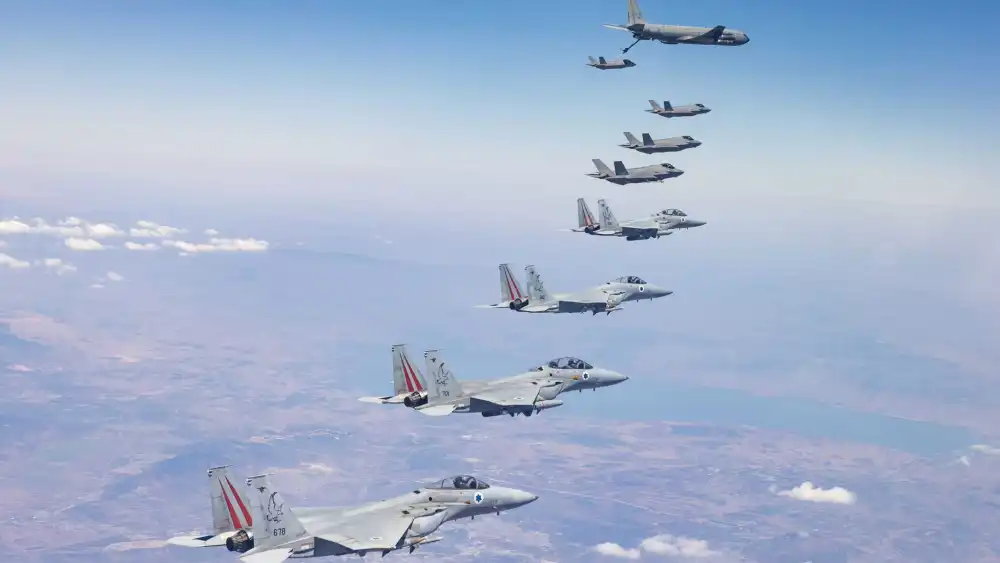
Israeli fighter jets, flying for hours to reach the precise time and location, hit the compound with about 30 bombs on Feb. 28, the opening day of the U.S.-Israeli allied attack.
On March 1, the day after the attack, the Israel Defense Forces said the killing of Khamenei marked the “culmination” of efforts to eliminate Iran’s regional terror leadership.
“Their elimination significantly degrades the Iranian terror axis and has made the Middle East a safer place for the State of Israel and the entire world,” the IDF said, adding it will “continue to thwart any elements that pose a threat to the State of Israel and its citizens.”