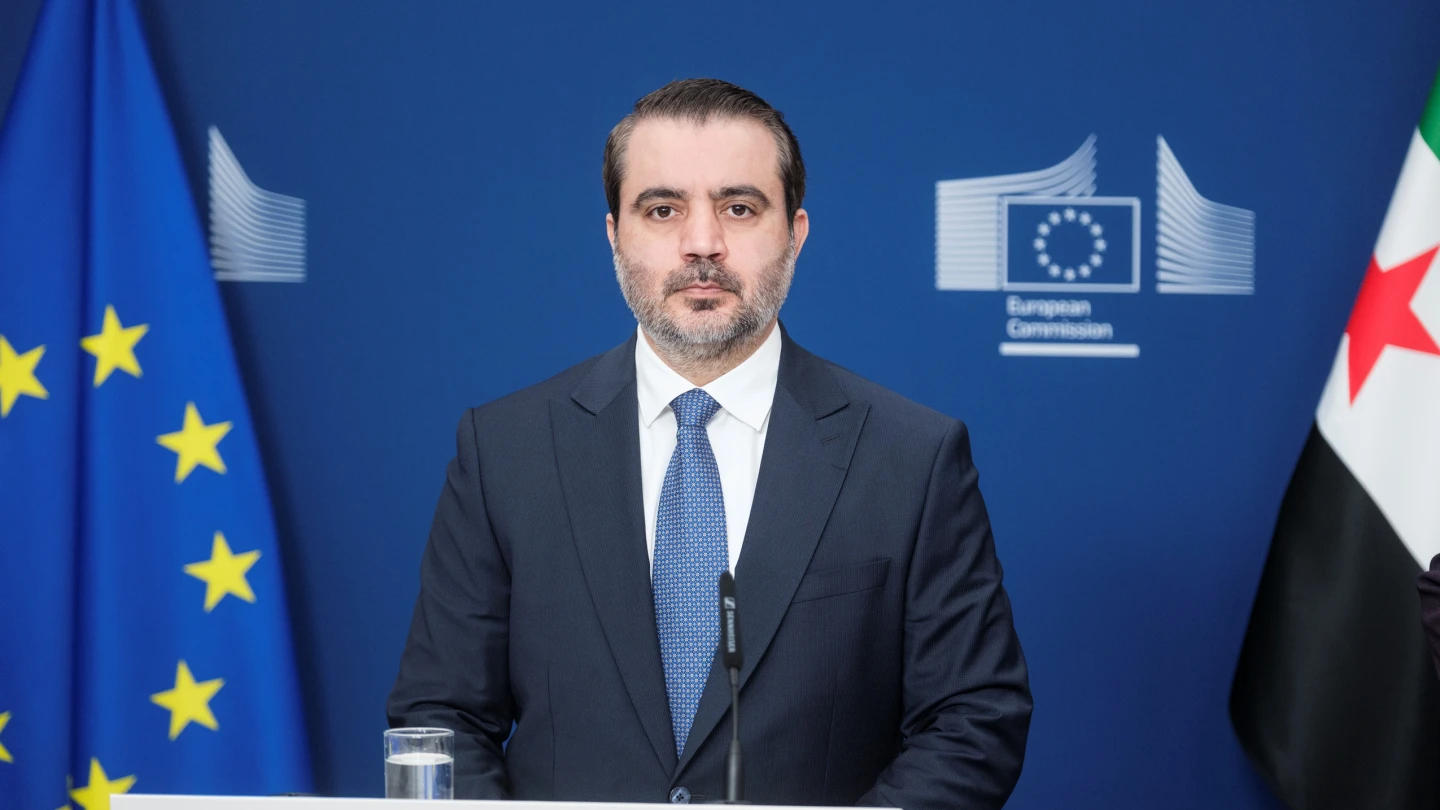
Beirut intends to submit a plan on Aug. 31 to convince Hezbollah to disarm without using military force to remove weapons from the Iranian terror proxy, U.S. envoy Thomas Barrack said on Tuesday.
“The Lebanese army and government are not talking about going to war. They are talking about how to convince Hezbollah to give up those arms,” the ambassador to Turkey and special envoy for Syria was quoted by Reuters as saying following a meeting with Lebanese President Joseph Aoun.
Barrack also announced that Israel is expected to issue its own framework for military withdrawal once Lebanon announces its strategy. Israeli Prime Minister Benjamin Netanyahu stated on Monday that Jerusalem stands ready to support Lebanon in its efforts to disarm Hezbollah, in addition to working together towards a more secure and stable future for both nations.
The prime minister hailed Beirut’s early-August approval of a U.S.-backed plan as a “significant step” and a “momentous decision.” The plan directs the army to begin working toward the disarmament of Hezbollah and all other non-state armed groups by the end of 2025.
“If the Lebanese Armed Forces (LAF) take the necessary steps to implement the disarmament of Hezbollah, Israel will engage in reciprocal measures, including a phased reduction of IDF presence in coordination with the U.S.-led security mechanism,” said Netanyahu.
The statement came a day after Netanyahu reportedly met in Israel with Barrack to discuss the situations in Syria and Lebanon.
“What Israel has now said, which is historic, is ‘we don’t want to occupy Lebanon. We’re happy to withdraw from Lebanon, and we will meet those withdrawal expectations with our plan as soon as we see the plan to actually disarm Hezbollah,’” Barrack said on Tuesday in the Lebanese capital.
He said that although no official proposals have been exchanged between Beirut and Jerusalem, both sides have made verbal assurances that indicate increasing alignment and a clearer path toward implementation.
The envoy stated that the Lebanese government’s efforts to persuade Hezbollah to disarm—a requirement of the U.S.-brokered ceasefire signed on Nov. 27 that ended the terror group’s conflict with Israel—would include taking into account the economic impact on tens of thousands of the organization’s terrorists and their families, many of whom receive funding from Tehran.
“If we’re asking a portion of the Lebanese community to give up their livelihood—because when we say disarm Hezbollah, we’re talking about 40,000 people being paid by Iran—you can’t just take their weapons and say, ‘Good luck, go plant olive trees’. We have to help them,” Barrack said.
He continued: “And the way you help them is to say, ‘All of us—the Gulf, the U.S. and the Lebanese—are going to act together to create an economic forum that will provide a livelihood not dependent on whether Iran allows it or not. That’s the idea.’”
‘The defense strategy’
Barrack was joined at the press conference at the presidential palace in Baabda by U.S. Deputy Envoy Morgan Ortagus, and Sens. Lindsey Graham (R-S.C.), Joe Wilson (R-S.C.) and Jeanne Shaheen (D-Mo.).
Hezbollah Secretary-General Naim Qassem has repeatedly rejected attempts to disarm the Iranian terror proxy, on Monday in a recorded speech, dismissing any plan to simultaneously disarm the group while Israel withdraws from Lebanese territory.
“Let them implement the (ceasefire) agreement ... then after that we will discuss the defense strategy,” Qassem said.
Jerusalem asserts that its actions against Hezbollah’s attempts at rebuilding its terror infrastructure are in line with the terms of the truce.
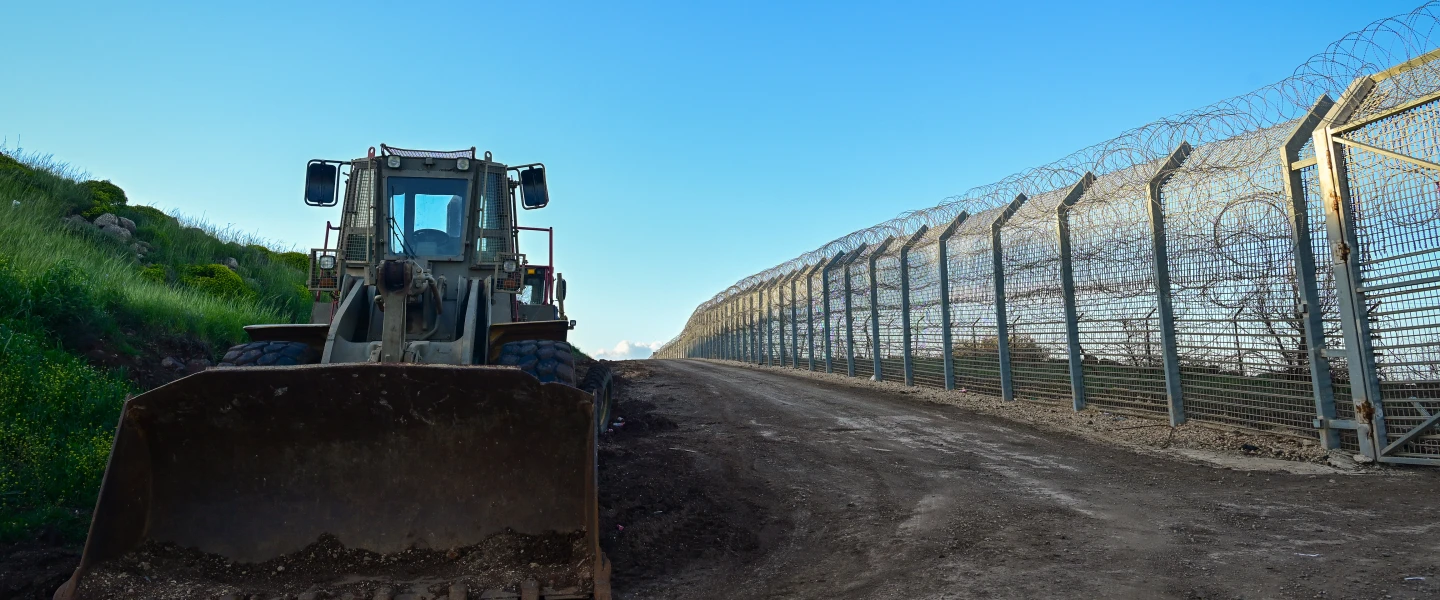
Israeli troops would remain at five strategic outposts in Southern Lebanon “indefinitely” to protect communities in the north, regardless of future negotiations, Israeli Defense Minister Israel Katz said in March.
Netanyahu stressed on Aug. 17 that Israeli military action in Lebanon is in accordance with the ceasefire agreement made last fall. “According to that agreement, we enforce every violation and every attempt by Hezbollah to rearm with firepower,” he said.