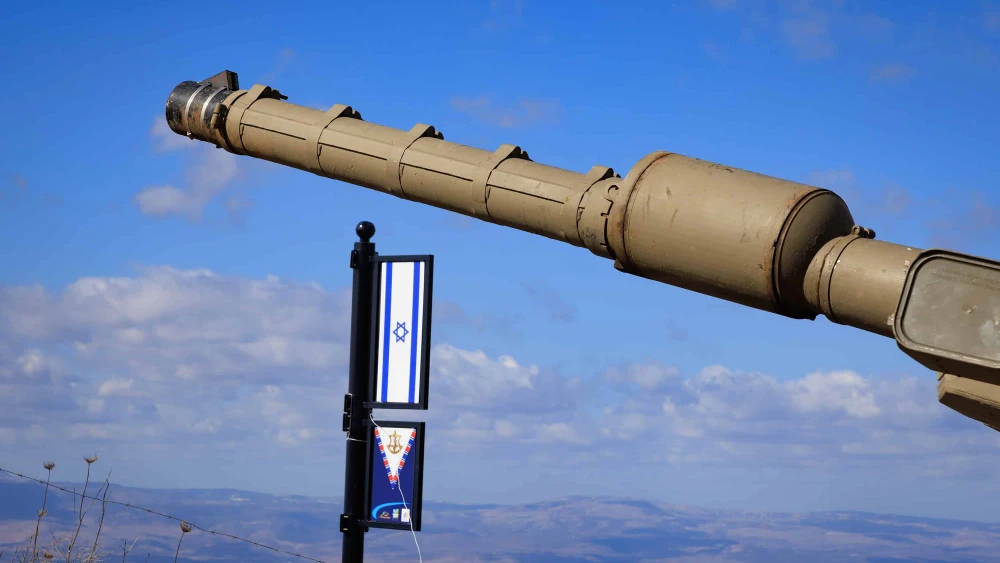
The Israel Defense Forces on Tuesday struck two Syrian army positions where Iranian-backed Hezbollah terrorists were operating.
“[Israel] holds the Syrian regime responsible for everything that takes place within its territory and will not allow any actions leading to the entrenchment of Hezbollah on that front,” the IDF said.
The strikes were conducted after the military gathered “precise intelligence” about Hezbollah activities in the area.
צה"ל תקף מוקדם יותר היום שתי תשתיות צבאיות בחזית שטח סוריה, בהן פעל ארגון הטרור חיזבאללה.
— צבא ההגנה לישראל (@idfonline) March 12, 2024
התקיפה בוצעה לאחר איסוף מודיעיני אשר הוביל להפללה של תשתיות אלו.
צה"ל רואה במשטר הסורי אחראי לכל אשר קורה בשטחו ולא יאפשר ניסיונות אשר יובילו להתבססות ארגון הטרור חיזבאללה בחזיתו pic.twitter.com/xXLEho5dPq
The IDF has reportedly attacked more than 50 targets belonging to Hezbollah and other Iran-backed terrorist groups in Syria since Oct. 7, including reported airstrikes two weeks ago in Baniyas that targeted three senior Iranian leaders.
A day earlier, an Israeli drone reportedly hit a truck belonging to Hezbollah near Al-Qusayr in Syria, close to the Lebanese border, killing one terrorist.
In response, Tehran has reportedly removed senior Islamic Revolutionary Guard Corps officers from Syria.
Israel has struck hundreds of targets in Syria in recent years as part of an effort to prevent further Iranian military entrenchment in the country. However, Jerusalem rarely acknowledges such attacks.